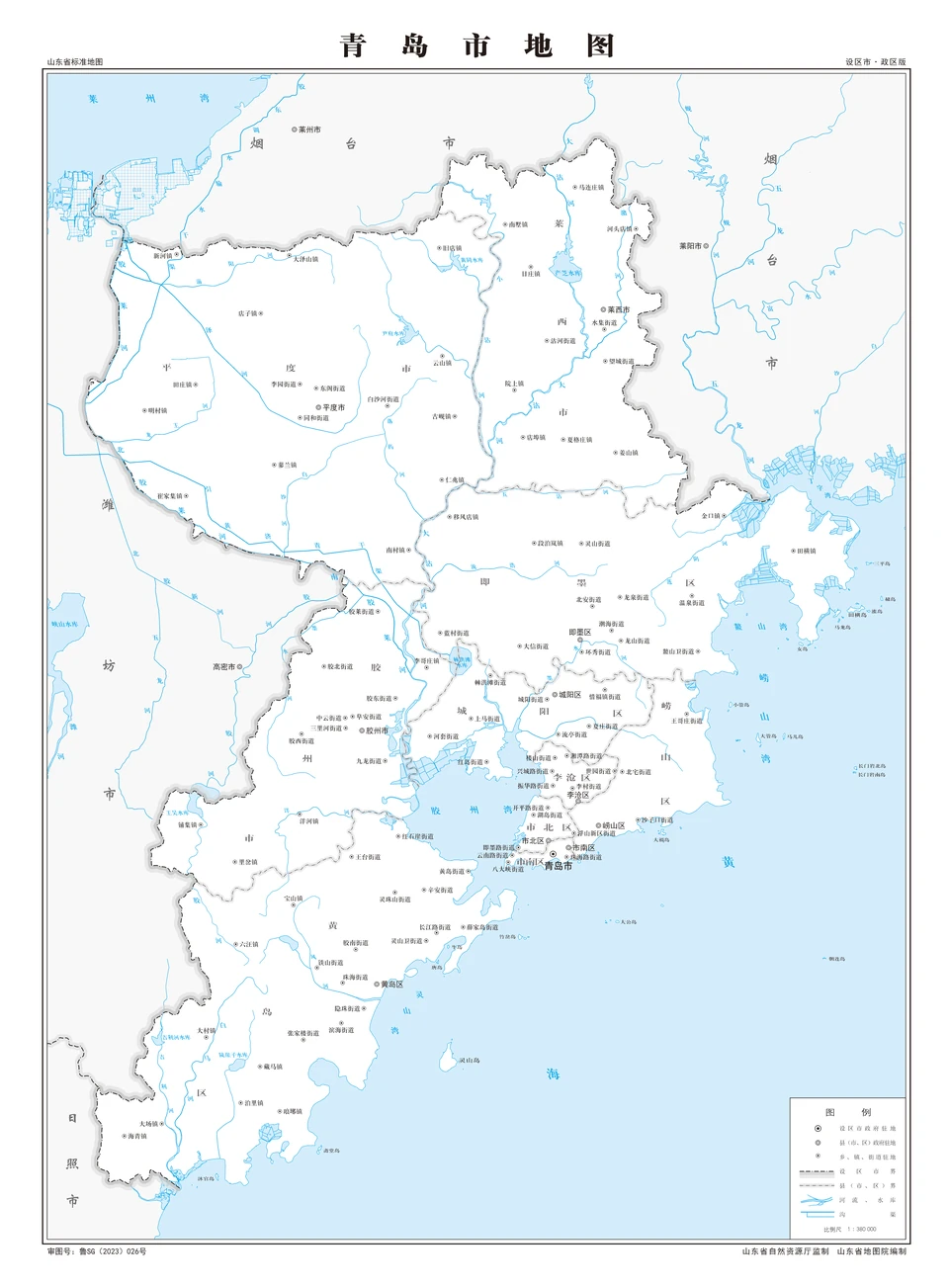
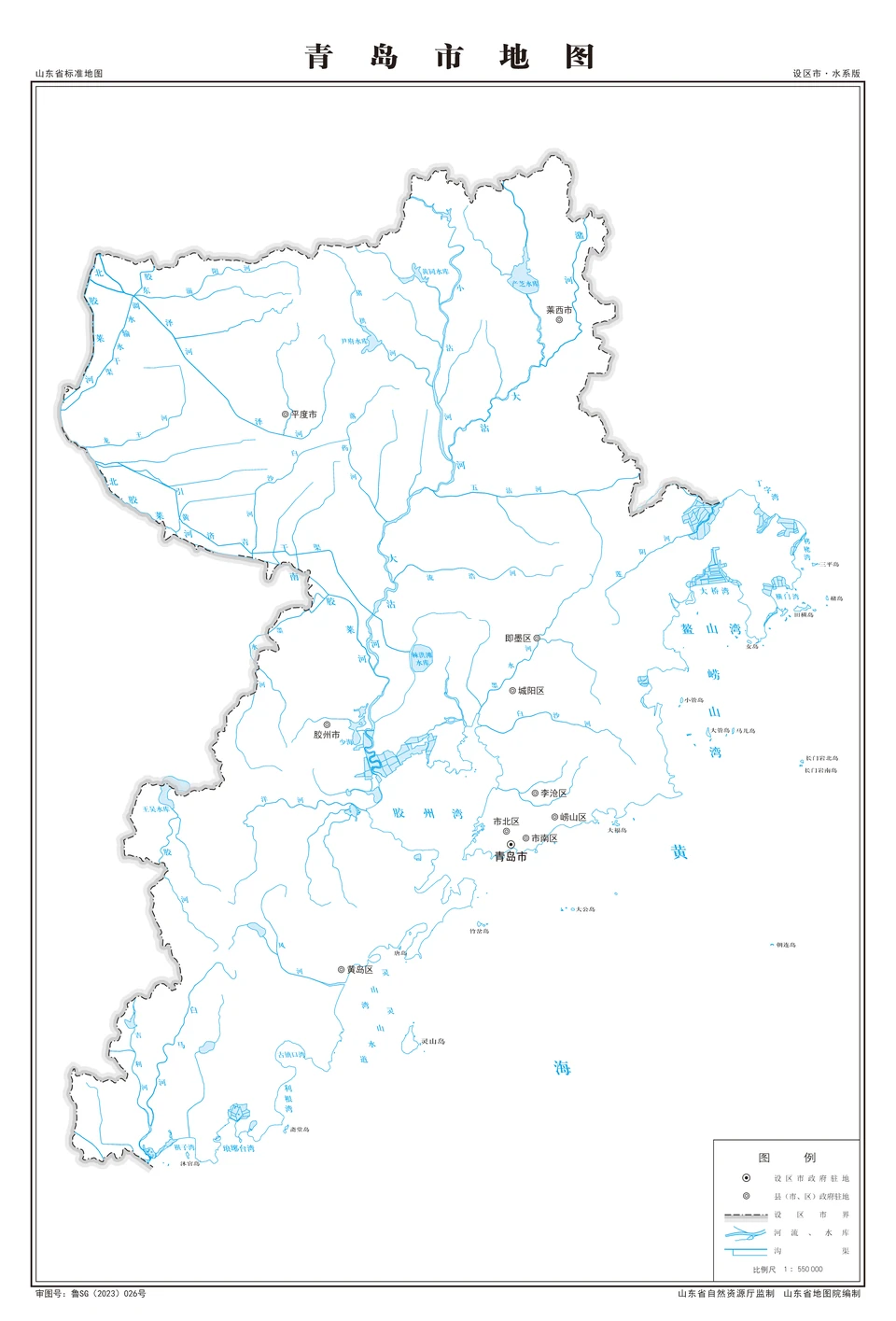
(Textual information comes from the Encyclopedia of Qingdao, published by the Encyclopedia of China Publishing House in 1999. The maps come from Shandong Province’s standard map service website; clicking “Read the Original” takes you to that website.)
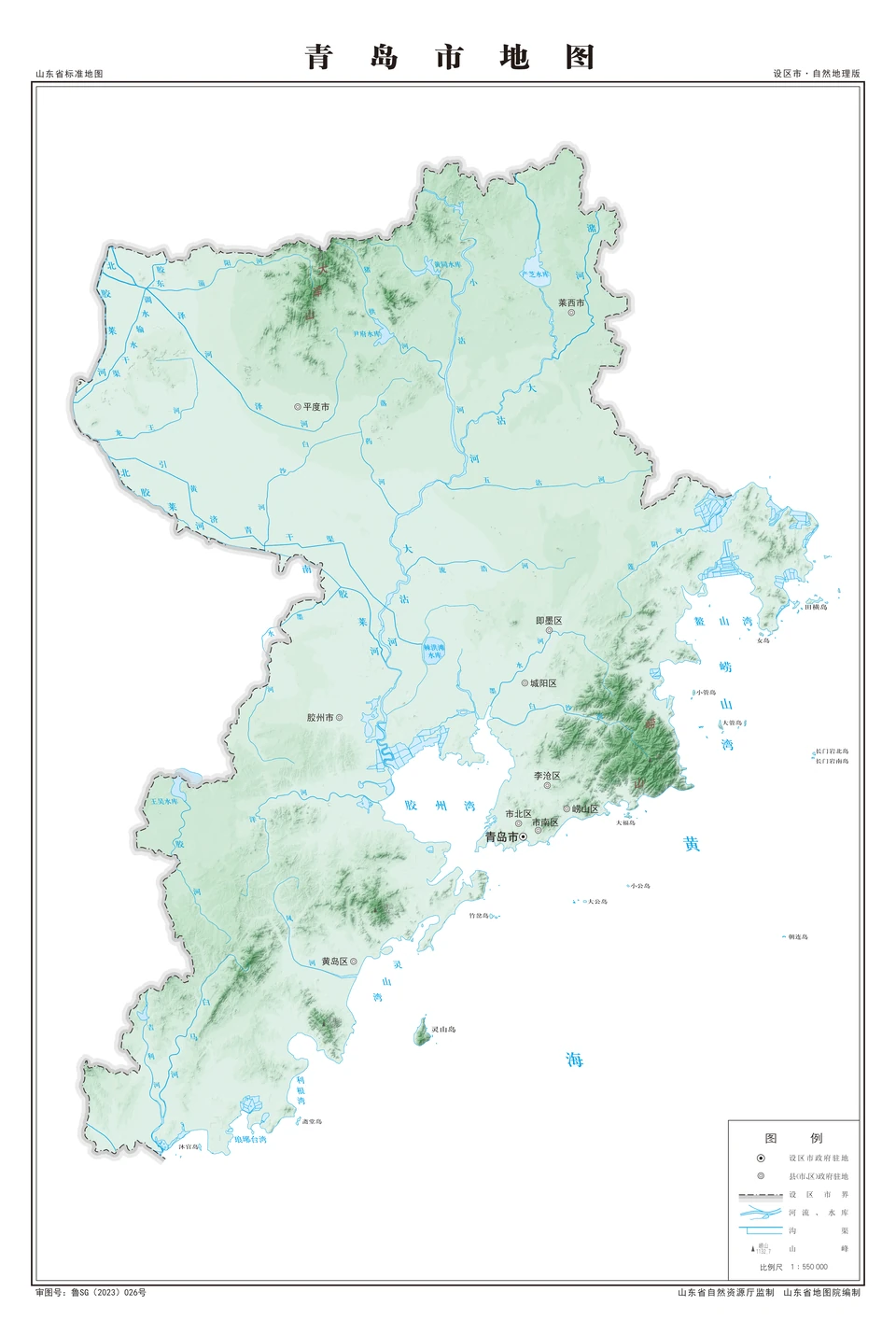
1 Zhu Peak on Mount Lao rises to 1,132.7 meters and is the highest mountain peak on China’s coastline.
2 The body of the Monument to the People’s Heroes in Beijing’s Tiananmen Square is made of granite quarried from Mount Lao.
3 National Qingdao University was founded in 1930 and renamed National Shandong University in 1932. When the July 7 Incident broke out in 1937, National Shandong University relocated to Sichuan. The university was dissolved, and its teachers and students joined other institutions. National Shandong University was reestablished in Qingdao in 1945. It was not until 1958 that Shandong University moved from Qingdao to Jinan.
4 The naval battle between Qi and Wu in the waters off Langya in the 35th year of King Jing of Zhou’s reign (485 BCE) was the first recorded naval battle in Chinese history.
5 After King Goujian of Yue defeated Wu, he moved his capital to Langya, which for a time became the political center of the state of Yue.
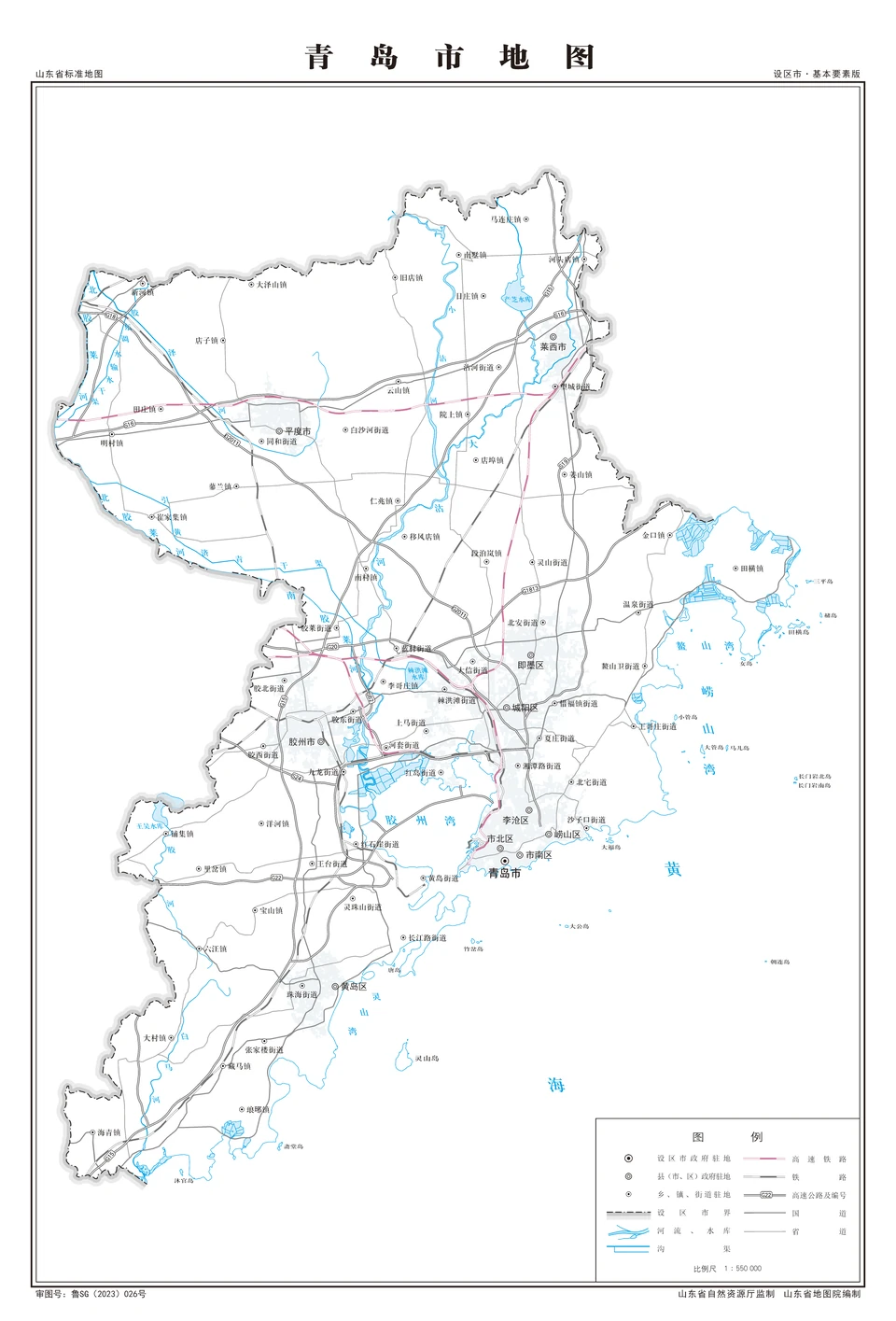
6 In the fourth year of Emperor Gaozu of Han’s reign (206 BCE), Han Xin defeated Tian Heng. Tian Heng led 500 brave followers to an island, where they later all died for their state. That island is today’s Hengdao in Jimo.
7 Both the First Emperor of Qin and Emperor Wu of Han made repeated imperial tours to Langya.
8 In the fourth year of the Benshi era under Emperor Xuan of Han (70 BCE), an earthquake struck Langya and caused severe damage to the city. The administrative seat of Langya Commandery later moved to Zhucheng and Linyi, and its former seat—today’s Langya Town—fell into decline.
9 In the 17th year of the Guangxu era (1891), Li Hongzhang personally surveyed Jiaozhou Bay and petitioned the Qing court to establish defenses at Jiao’ao, marking the beginning of Qingdao as an administrative entity. In the 23rd year of Guangxu (1897), Germany sent its Far East fleet to invade Jiaozhou Bay, creating the “Jiaozhou Bay Incident.” In March of the following year, the Convention for the Lease of Jiao’ao was signed, granting Germany a 99-year lease. In the 25th year of Guangxu (1899), Kaiser Wilhelm II named the new urban area within the leased territory Qingdao.
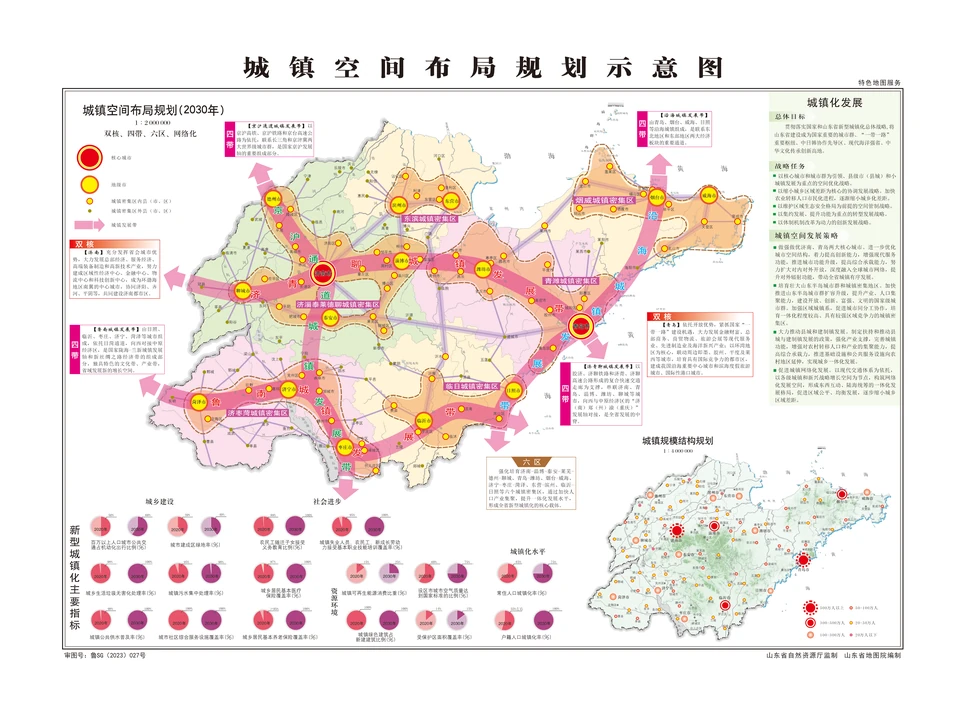
10 The Qingdao issue was the spark for the May Fourth Movement. On May 4, 1919, students in Beijing demonstrated against the Paris Peace Conference’s recognition of Japan’s takeover of Germany’s various privileges in Shandong and Qingdao. In December 1922, the Chinese government formally recovered sovereignty over Qingdao.
Comments
No account needed. A nickname is required; email is optional. Successful submissions appear publicly without manual pre-moderation.
Comments and nicknames are public. Optional email addresses are not displayed. The selected Waline backend and its hosting provider process comments, nicknames, optional email, IP and browser information. Comments show IP region, without the full IP address or browser and operating system labels. Hosting: Vercel; database: Neon.