I. Where Did the "79%" Claim Come From?
A claim circulates on the Chinese internet that "the US literacy rate is only 79%." Supposedly, the figure comes from the United Nations and official US websites.
Why, then, has this claim spread so widely?
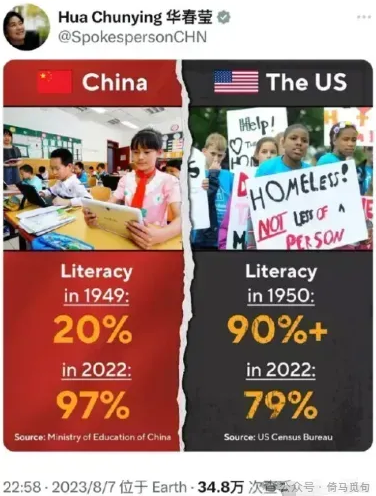
The main reason is its promotion by two authoritative figures. One is the Chinese diplomat Ms. Hua Chunying. On August 7, 2023, she posted a tweet comparing changes in Chinese and American literacy rates over seventy years: China's literacy rate was 20% in 1949 and 97% in 2022; America's exceeded 90% in 1950 but was 79% in 2022.
The other authoritative figure is Yuanfang Qingmu, who published "America's Illiteracy Rate Is 21%: These Are Official Public Figures from the UN and the US" on June 14, 2024. It may have appeared earlier, since his WeChat account often posts old articles that are otherwise not visible. The article was enormously influential—so much so that if you now ask major AI systems, "What is the US literacy rate?", they cite it.
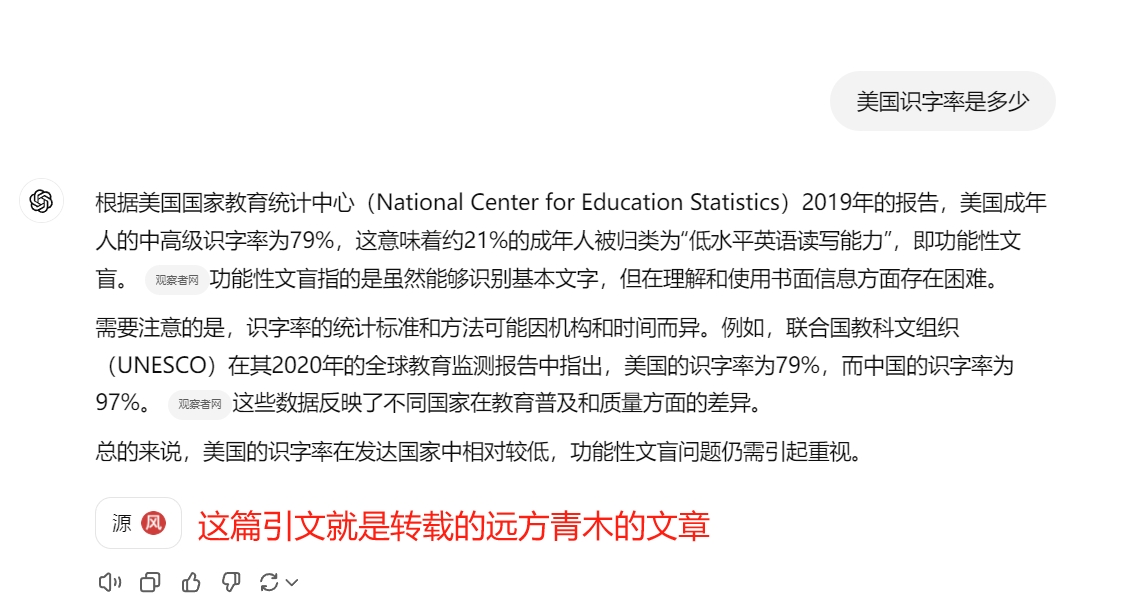
Many other articles also claim a US literacy rate of 79%, but tracing the attention back to its source, it was Ms. Hua and Yuanfang Qingmu who set it in motion.
Ms. Hua and Yuanfang Qingmu are, of course, highly authoritative and rigorous. But they are so famous that they must consider many political factors when writing and posting, and sometimes have no time to investigate the sources of every statistic.
I have little learning and little influence, so I need not worry quite so much about what I say. Let me try to investigate this question and discuss it academically.
II. UN Literacy Standards and Data
Qingmu's article says:
"First, the source of these figures is the 2020 Global Education Monitoring Report publicly released by UNESCO. It shows that China's illiteracy rate in 2018 was 3%, while America's was 21%."
I downloaded this report from the official UN website. Its English title is Global Education Monitoring Report (2020).
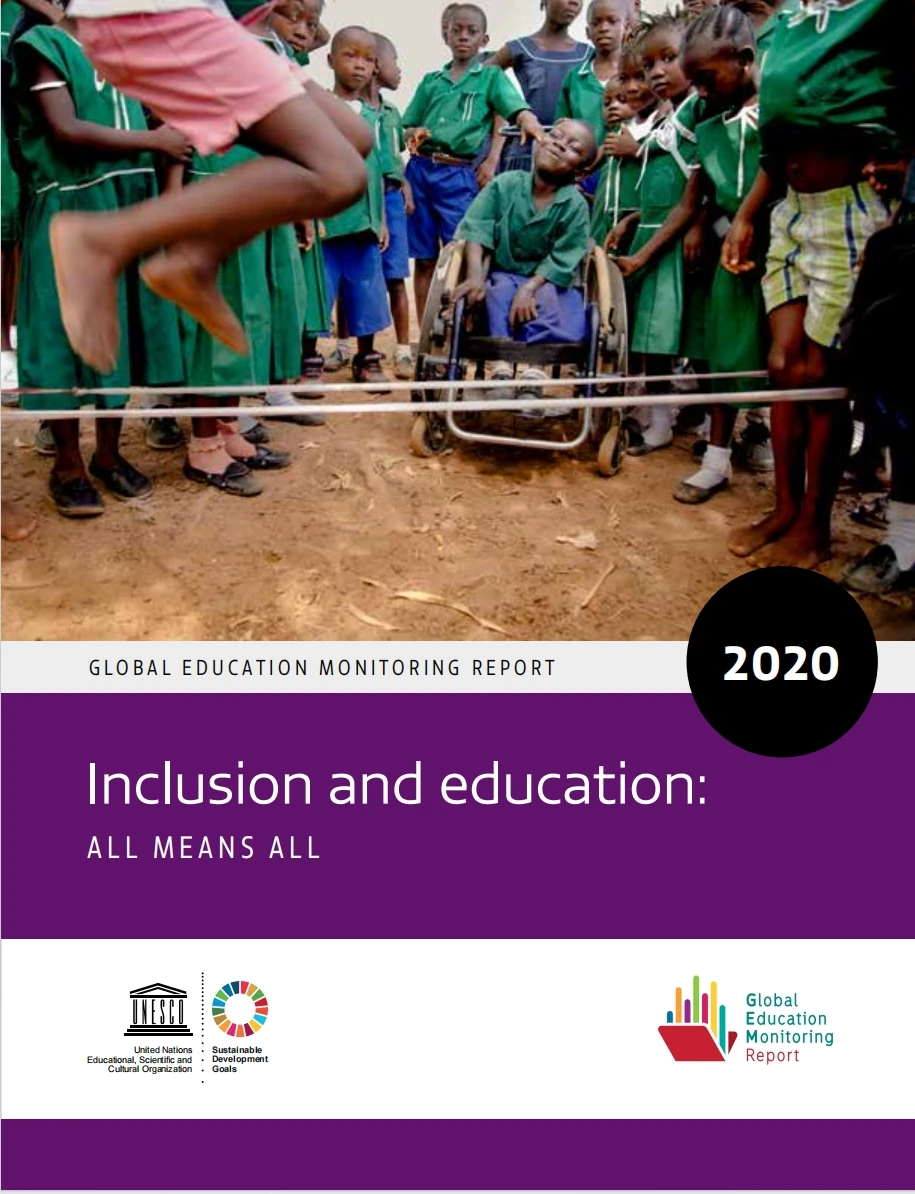
However, we cannot find a US literacy figure in it. In other words, this document's literacy statistics exclude the United States. And the US is not alone: half the countries listed under "Europe and Northern America" have no data, while literacy rates for the other countries are all above 95%.
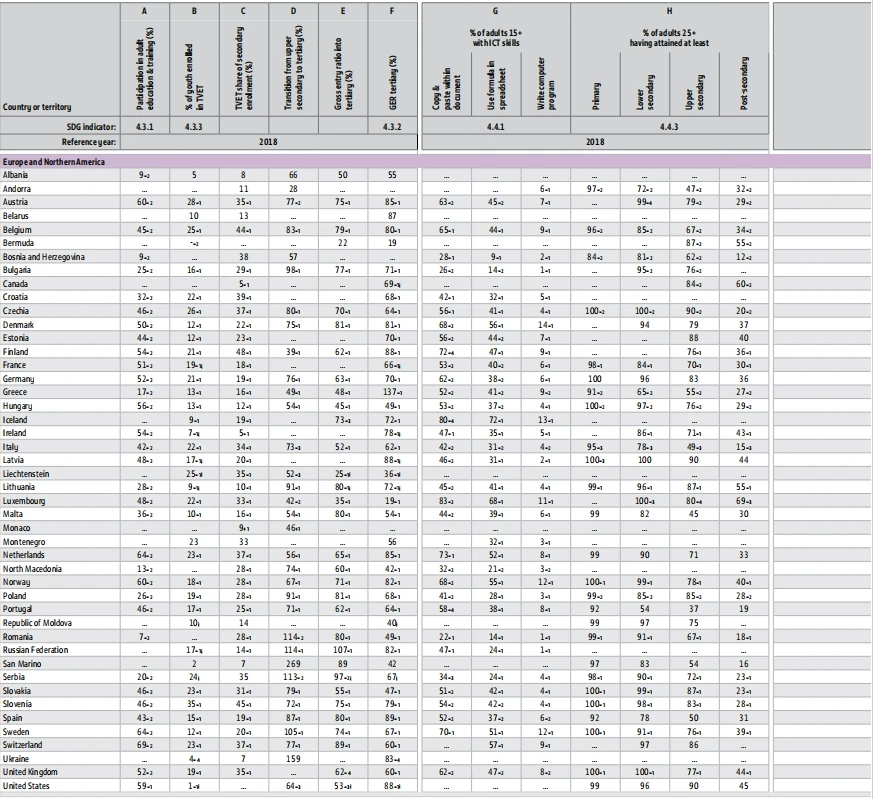
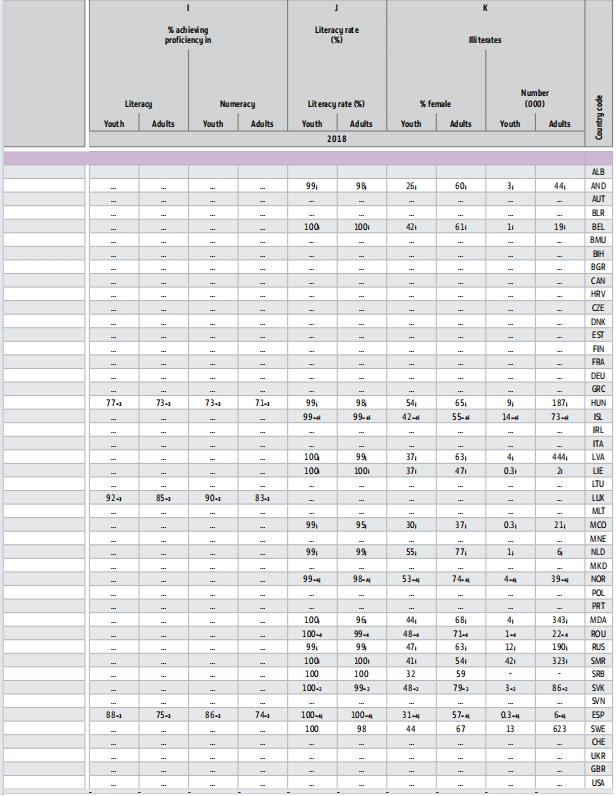
In this report, India's youth literacy rate is 92% and its adult rate 74%; China's youth rate is 100% and its adult rate 97%; the global averages are 92% for youth and 86% for adults. (I will omit screenshots: the type is tiny and the figures span two pages. Readers who need the original material can send me a private message.)
Why, then, does this report not include US data? There are two possibilities:
① The UN pays more attention to education in developing countries and gives them priority in data collection.
② The UN is covering up America's shortcomings by deliberately excluding its data.
Clearly, the first possibility better fits the facts.
I found another UN document called "Literacy Rates Continue to Rise from One Generation to the Next."
It contains a literacy map. Low literacy is concentrated mainly in Africa and South Asia, while other regions generally have high rates. Europe, Oceania, and the Americas have no data at all.
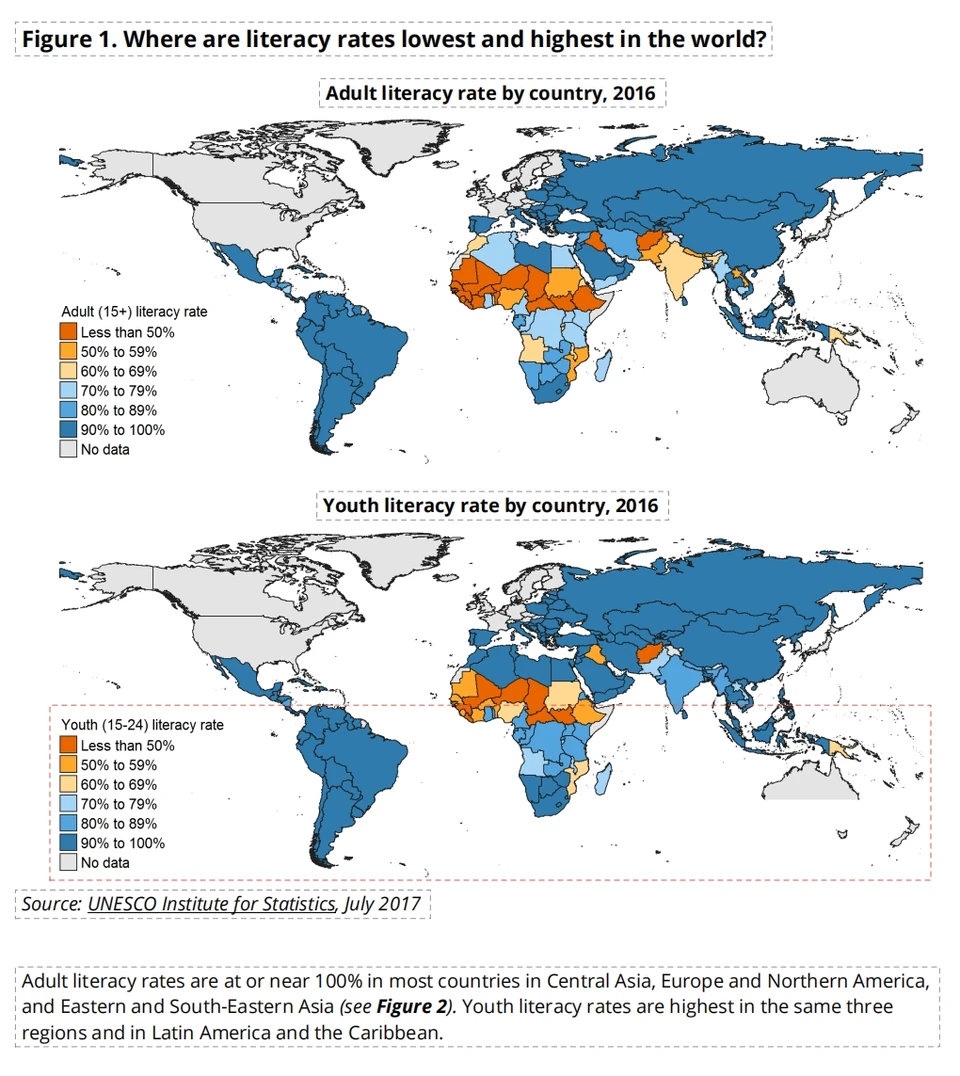
Below this literacy map, a line states quite plainly:
Adult literacy rates are at or near 100% in most countries in Central Asia, Europe and Northern America, and Eastern and South-Eastern Asia (see Figure 2). Youth literacy rates are highest in the same three regions and in Latin America and the Caribbean.
Translated, this means:
Adult literacy rates reach or approach 100% in most countries of Central Asia, Europe, North America, and East and Southeast Asia (see Figure 2). Youth literacy rates are highest in those three regions and in Latin America and the Caribbean.
Putting these two pieces of information together, the implication is that under UN standards, literacy rates at or near 100% in countries of Europe, North America, and Australia are self-evident, so resources need no longer be spent surveying literacy there.
At this point, then, we can establish that the standard behind America's 79% literacy rate is plainly different from that behind China's 97%. Comparing the two figures is meaningless.
What, then, is the UN's literacy standard?
To be honest, this simple question is not easy to answer. Measuring literacy is itself difficult and expensive.
The website of the UNESCO Institute for Statistics (UIS) says:
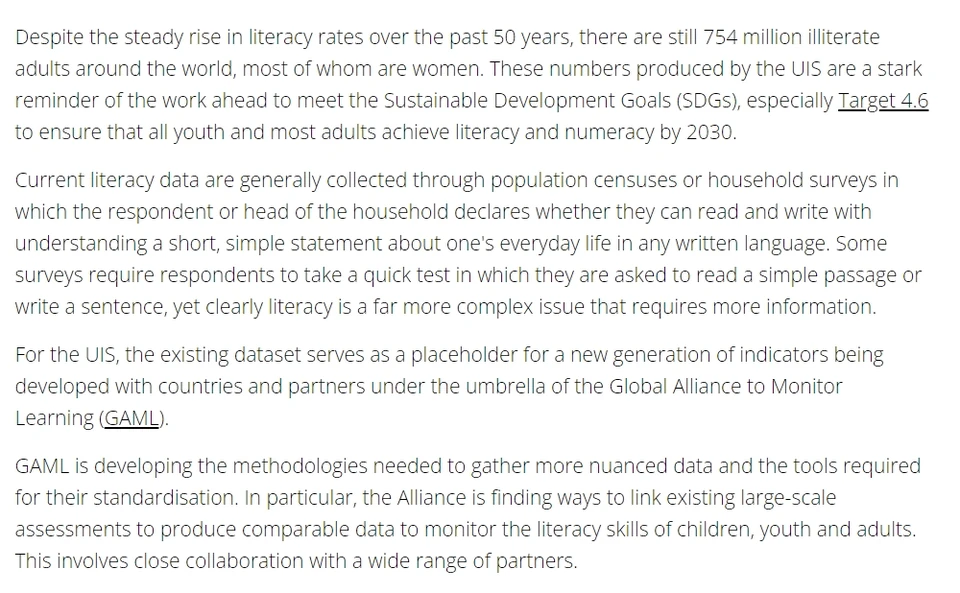
Although global literacy rates have risen steadily over the past fifty years, 754 million adults worldwide remain illiterate, most of them women. These figures from the UNESCO Institute for Statistics (UIS) are a stark reminder of how much work remains to achieve the Sustainable Development Goals (SDGs), particularly Target 4.6: ensuring that all youth and most adults acquire literacy and numeracy by 2030.
Current literacy data are generally collected through censuses or household surveys. In these surveys, respondents or heads of households must declare whether they can understand and write a short statement about everyday life in any written language. Some surveys ask respondents to take a quick test, such as reading a simple passage or writing a sentence. Clearly, however, literacy is far more complex than such tests reveal, and more information is needed.
For UIS, existing datasets are only an interim solution, providing a foundation for a new generation of indicators being developed with countries and their partners. This work takes place within the framework of the Global Alliance to Monitor Learning (GAML).
GAML is developing methodologies for collecting more detailed data and the tools needed to standardize them. In particular, the alliance is seeking ways to link existing large-scale assessments to generate comparable data for monitoring the development of literacy skills among children, youth, and adults. This requires close collaboration with a broad range of partners.
After all that, the summary is this: if you can read a passage or write a sentence in any language, you count as literate. But current statistical methods may be neither particularly scientific nor consistent, so the figures are for reference only.
In fact, determining literacy is very complicated, because language itself is complex and mastery of it has different degrees. The UN also has a standard under the Literacy Assessment and Monitoring Programme (LAMP), which divides literacy proficiency into five levels. I will not describe it in detail here.
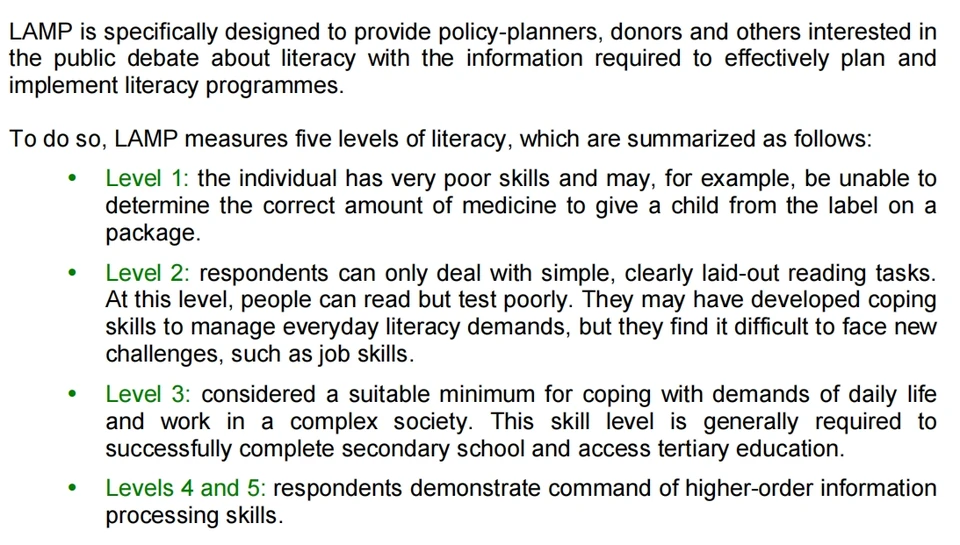
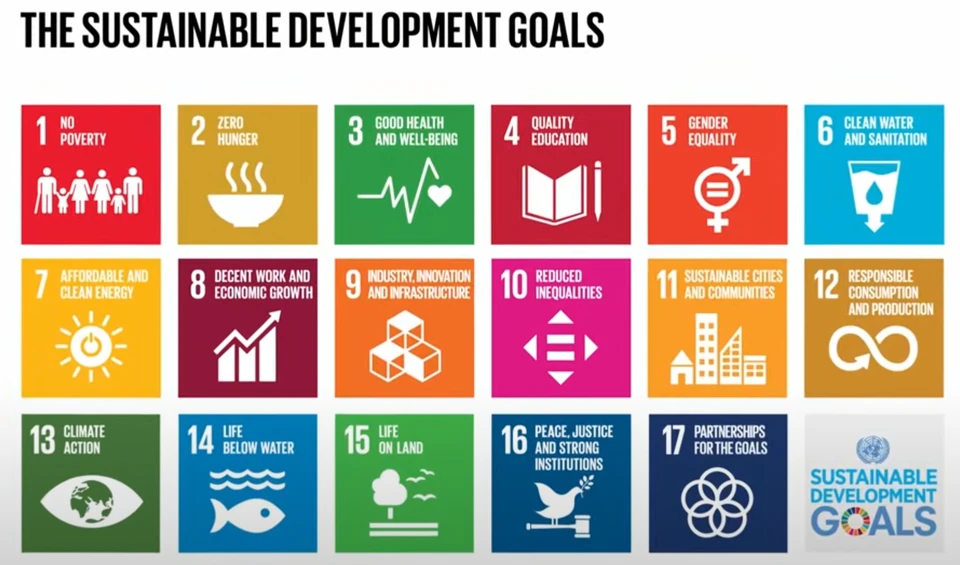
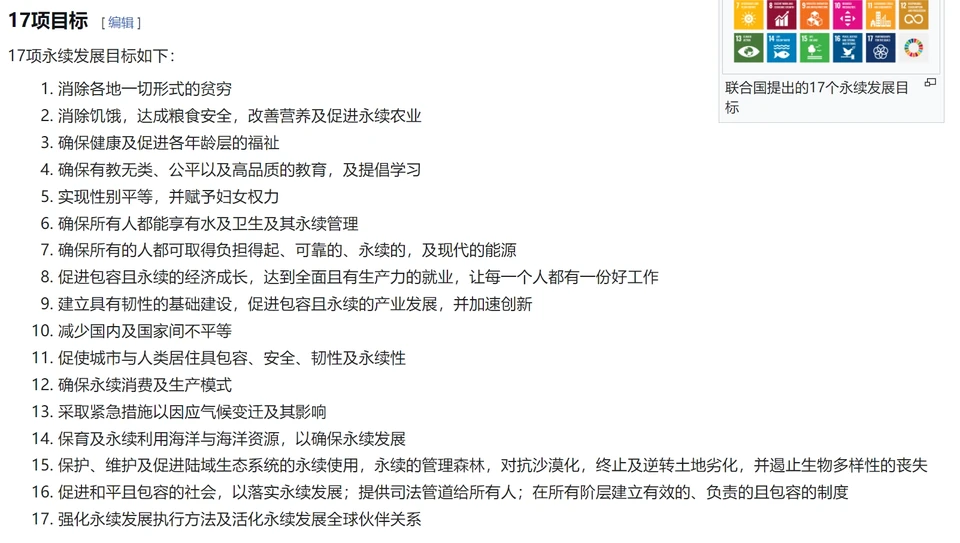
One point is certain, however: the UN's literacy threshold is very low. By its standard, all young Chinese people are literate, as are almost everyone in developed countries. The UN compiles these statistics mainly to promote education and educational equality, in pursuit of the fourth Sustainable Development Goal: ensuring inclusive, equitable, high-quality education and promoting learning. Literacy is merely the sixth target under that goal (4.6: ensuring that all youth and most adults acquire literacy and numeracy by 2030).
To summarize this section: recent UN statistics do not report literacy rates for the US, just as they do not for other developed countries, because under UN standards literacy at or near 100% in such countries is self-evident. The claim that America's literacy rate is only 79% therefore has another source. This 79% cannot be compared with the UN's literacy figures for other countries because the standards are entirely different.
III. Official US Literacy Standards and Data
Where exactly does the claim of a 79% US literacy rate come from?
Qingmu's article says:
"A survey released in 2013 by the US Department of Education and the National Institute for Literacy reported that '14% of adults, about 32 million people, cannot read normally, 19% of high school graduates are illiterate, and 21% read below a fifth-grade level,' and that 'the US illiteracy rate has remained very stable in recent decades.'"
If we do not get too hung up on the wording, we could generously round this off to being correct.
I found the website of the National Center for Education Statistics (NCES), part of the US Institute of Education Sciences (IES).
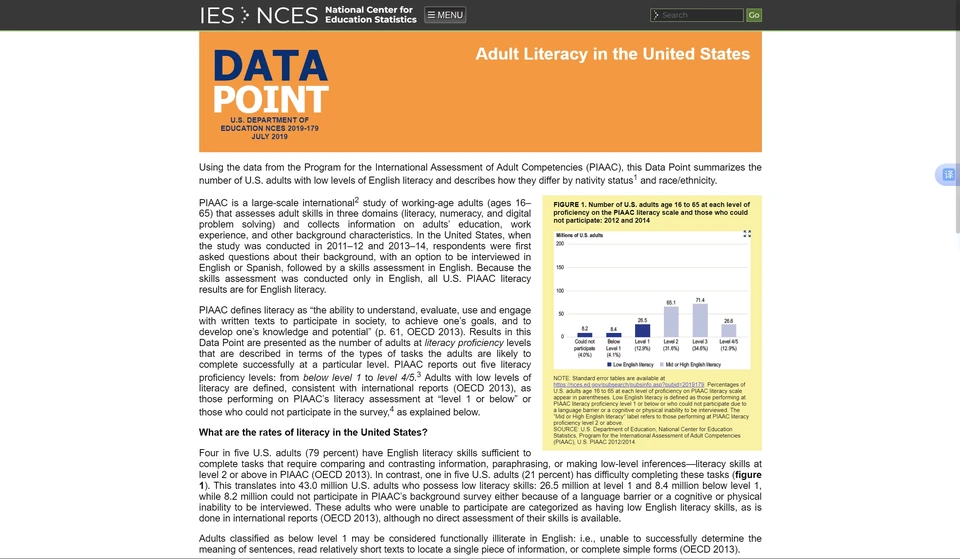
Here we can see the source of the figures:

Four out of five US adults (79%) have sufficient English literacy skills to perform tasks requiring comparison and contrast of information, paraphrasing, or low-level inferences—skills corresponding to PIAAC Level 2 or above (OECD 2013). By contrast, one in five US adults (21%) has difficulty performing such tasks (see Figure 1). This represents 43 million US adults with low literacy: 26.5 million at Level 1, 8.4 million below Level 1, and 8.2 million unable to participate in the PIAAC background survey because of a language barrier or cognitive or physical reasons. These adults who could not participate were classified as having low English literacy, following international reporting practice (OECD 2013), although their skills were not directly assessed.
Adults classified as below Level 1 may be considered functionally illiterate in English: unable to understand the meaning of sentences successfully, locate a single piece of information by reading a relatively short text, or complete a simple form (OECD 2013).
OECD stands for the Organisation for Economic Co-operation and Development. This website cites its 2013 data throughout.
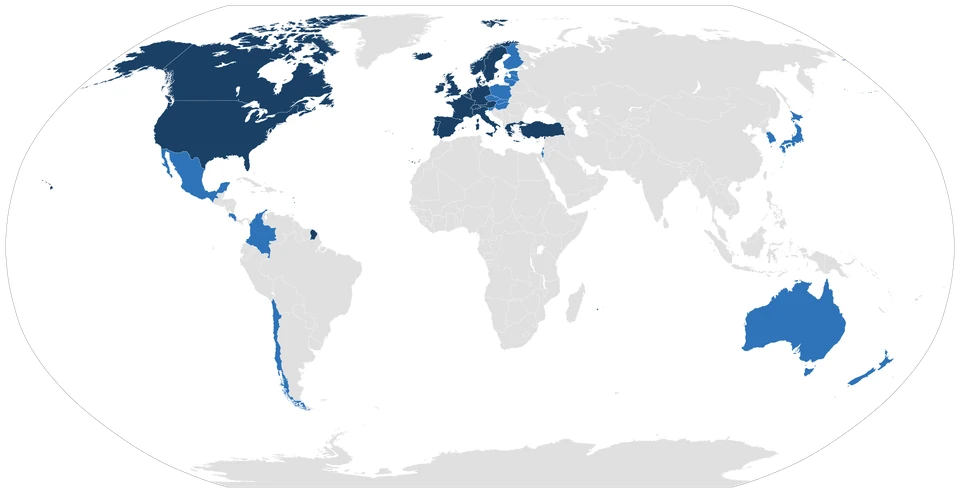
PIAAC stands for the Programme for the International Assessment of Adult Competencies. Coordinated and supported by the OECD and developed by participating OECD countries, it is a large international study of working-age adults, aged 16 to 65. It assesses skills in three areas—literacy, numeracy, and digital problem-solving—and collects information about adult education, work experience, and other background characteristics.
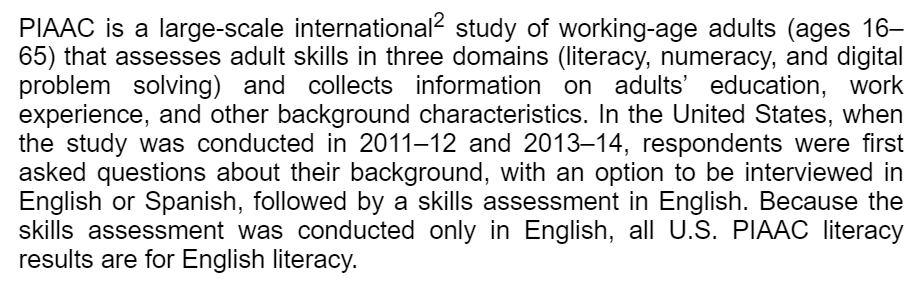
PIAAC divides literacy into five levels, from below Level 1 to Level 4/5. Treating people at Level 1 or below as "illiterate" and those above Level 1 as "literate" produces the 21% illiteracy rate and 79% literacy rate.
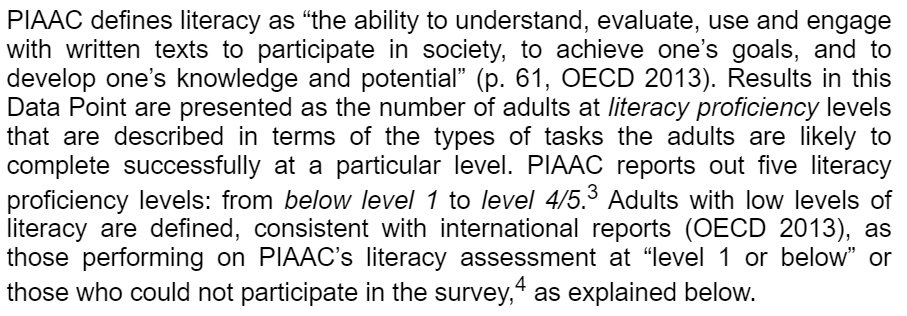
Now let us see what these "illiterate" people can do.
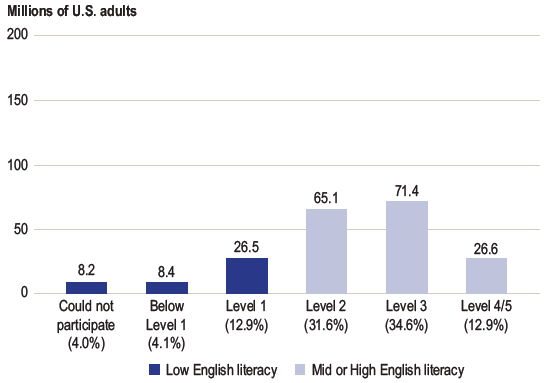
Of these 21%, four percentage points could not take the test because of "a language barrier or cognitive or physical reasons"—in other words, disabilities. National disability population figures released in 2010 estimated that China had about 85.02 million people with disabilities, 6.34% of its total population. So I consider it normal that 4% of Americans could not participate in an assessment because of disabilities.
Of these 21%, 4.1 percentage points fall below PIAAC Level 1. I found a PowerPoint presentation of sample PIAAC questions.
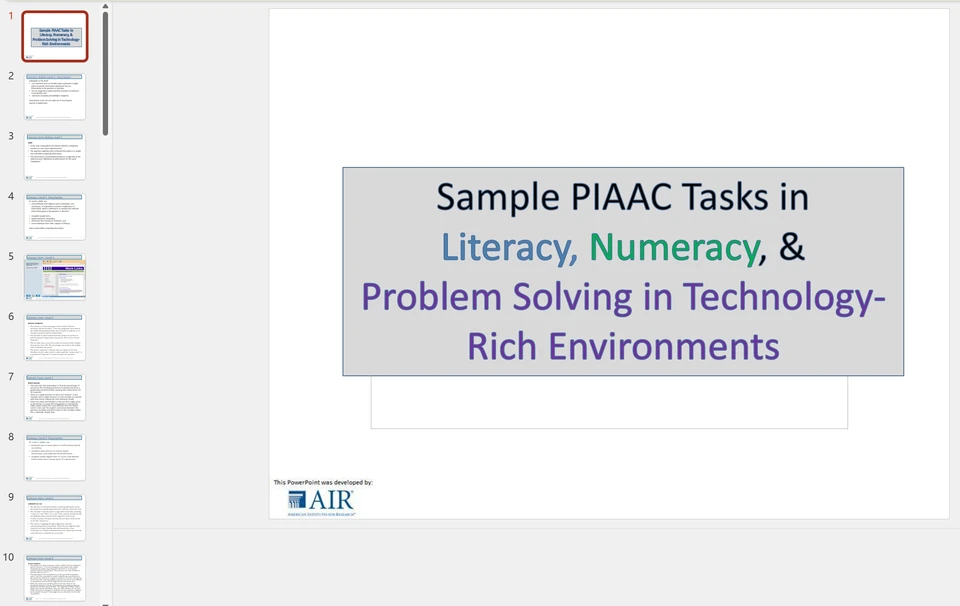
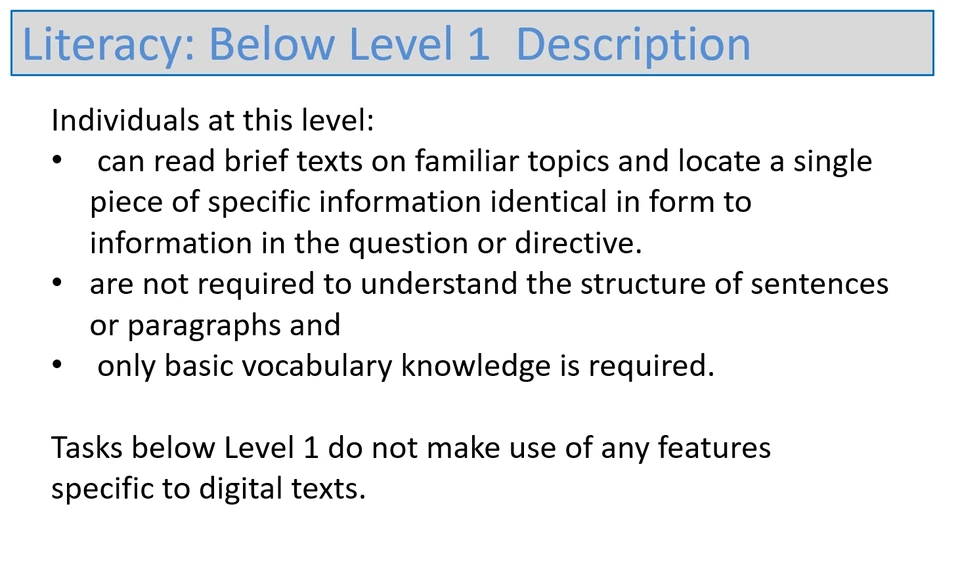
Its description of "below Level 1" is:
Can read brief texts on familiar topics and locate a specific piece of information identical in form to the information in the question or directive.
No understanding of sentence or paragraph structure is required.
Only basic vocabulary knowledge is required.
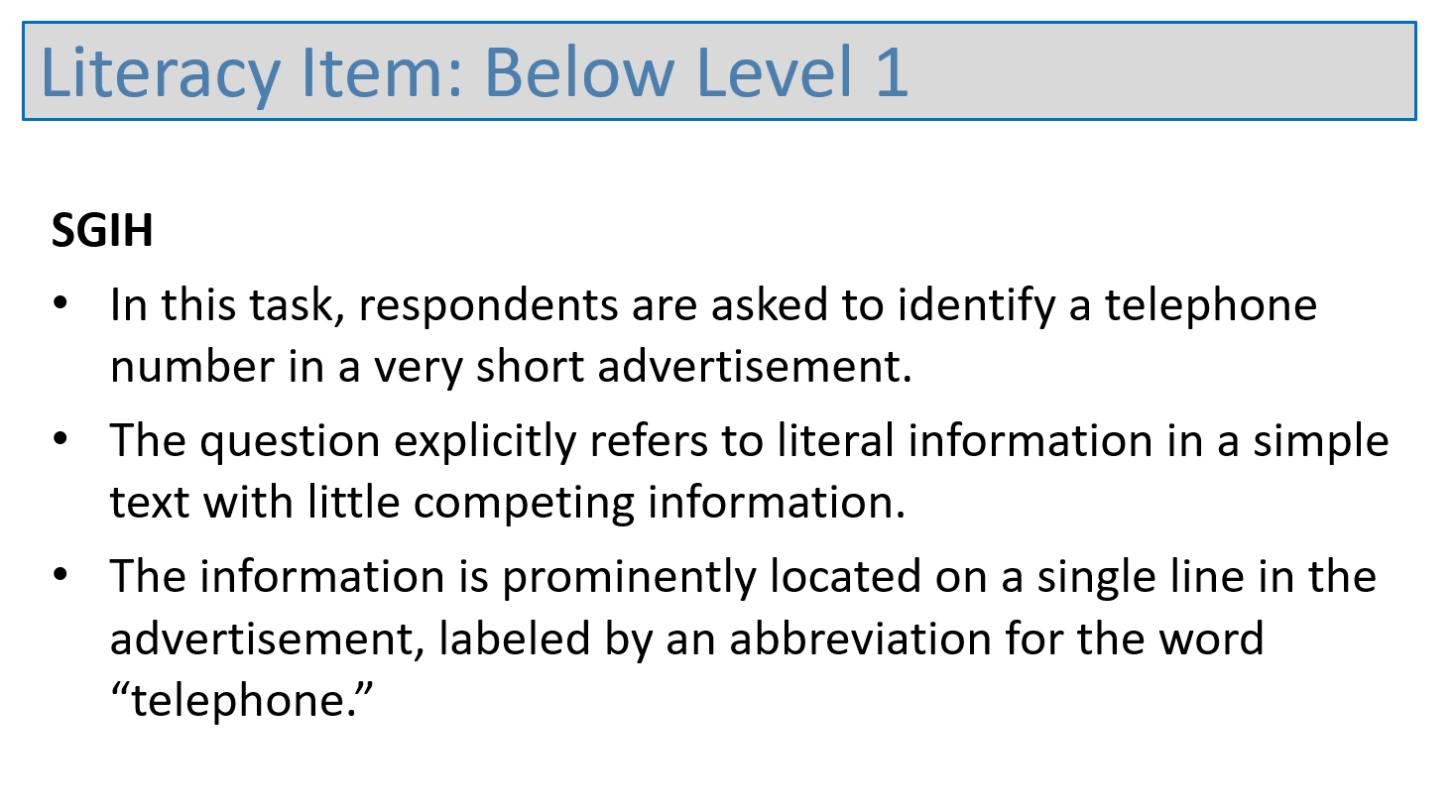
The task for "below Level 1" is:
In this task, respondents need to find a telephone number in a very short advertisement.
The question explicitly asks for a literal piece of information from a simple text, with very little distracting information.
The requested information appears prominently on a separate line in the advertisement, marked by an abbreviation of "telephone."
Clearly, even "below Level 1" is by no means illiteracy as we commonly understand it, or at least not illiteracy as the UN defines it. This is called "functional illiteracy," mentioned above.
Functional illiteracy means having reading, writing, or numeracy skills but lacking the ability to use them "to handle certain everyday affairs or apply for a job." By contrast, illiteracy means being unable to read or write in any language, even simple sentences.
By this logic, an outsider unable to read and write the local language in the community where they live also counts as functionally illiterate. —Wikipedia, "Functional illiteracy"
The remaining 12.9 percentage points of the 21% are at "Level 1."
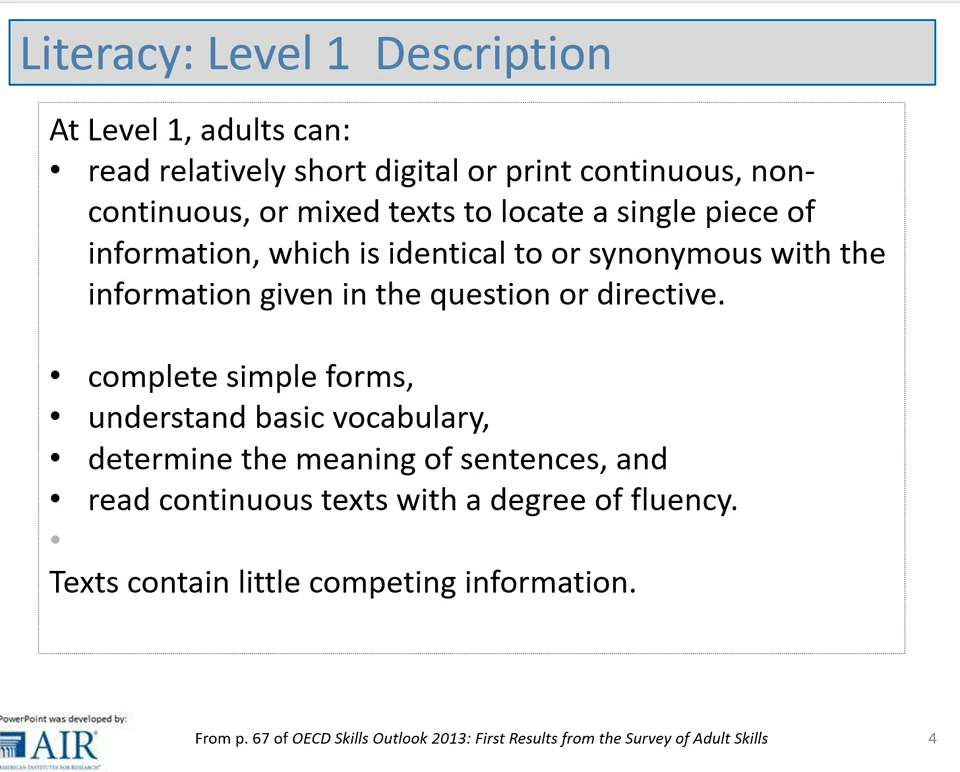
"Level 1" is described as follows:
At Level 1, adults can:
Read relatively short continuous, non-continuous, or mixed texts in digital or print form to locate a single piece of information identical or synonymous with information given in the question or directive.
Complete simple forms.
Understand basic vocabulary.
Determine the meaning of sentences.
Read continuous texts with a degree of fluency.
These texts contain little distracting information.
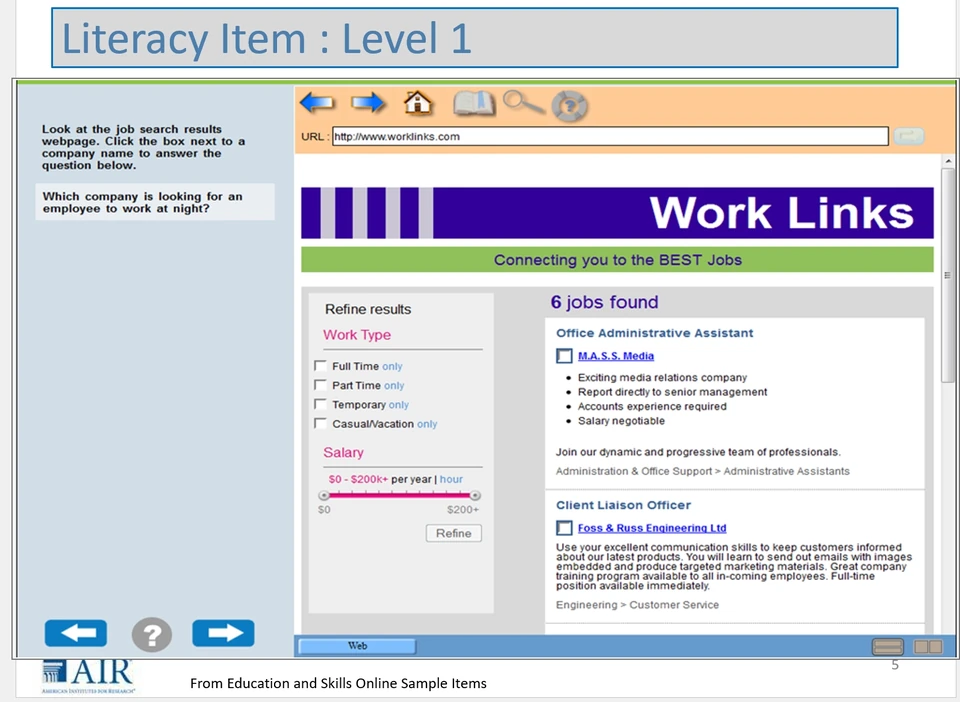
There are three sample questions at "Level 1." The first asks the respondent to find, on a recruitment website, a company hiring night-shift workers.
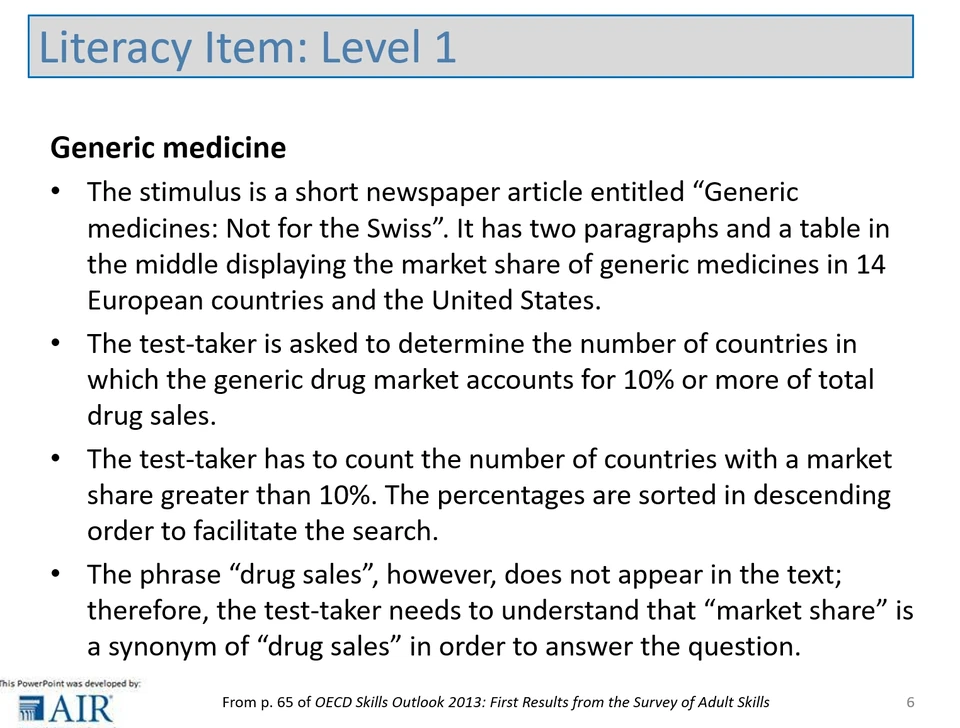
The second involves reading a short newspaper article titled "Generic Medicines: Not for the Swiss." It contains two paragraphs with a table between them showing the market shares of generic medicines in fourteen European countries and the United States.
The test taker must identify how many countries have generic medicine sales accounting for 10% or more of total medicine sales.
The test taker needs to count the countries with a market share above 10%. The percentages in the table are arranged in descending order to make searching easier. However, the phrase "medicine sales" does not appear in the article, so the test taker must understand "market share" as synonymous with "medicine sales" to answer correctly.
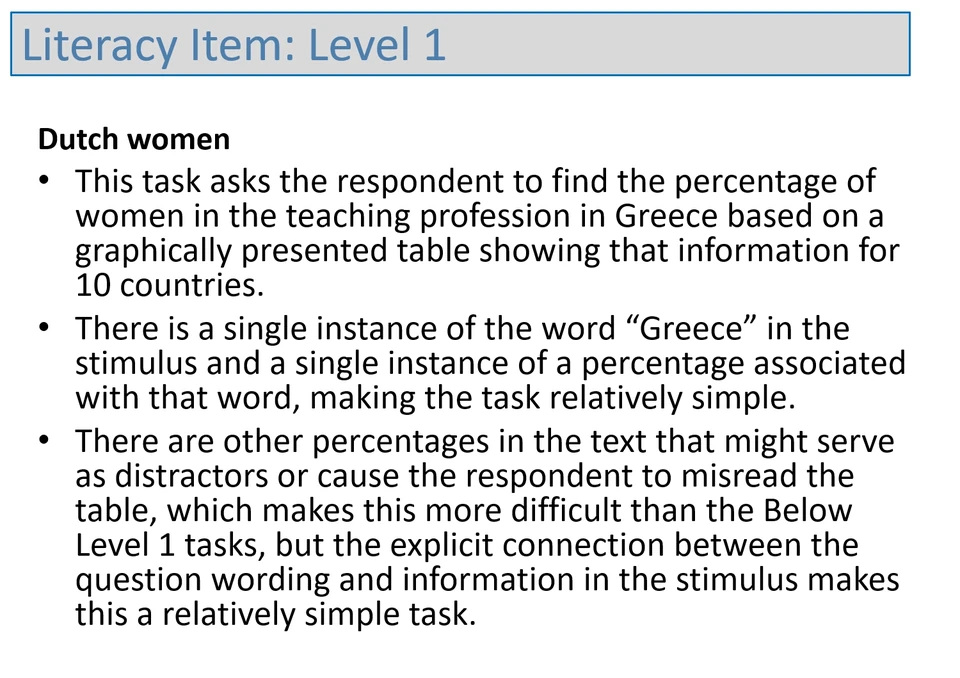
The third question asks respondents to use a chart to find the percentage of women in the teaching profession in Greece. The chart provides information for ten countries.
The word "Greece" appears only once in the material and has only one associated percentage, making the task relatively simple.
However, other percentages in the text may distract respondents or lead them to misread the chart, making this task harder than those below Level 1. The wording of this question corresponds explicitly to the information in the material, so it is relatively easy.
Even after answering all these questions correctly, you are still "illiterate," because you must also answer "Level 2" questions to avoid joining the 21% and prove you are not illiterate.
What are Level 2 questions like?
Here is an example. You need to answer the question shown in the left-hand panel by marking information in a list of preschool rules.
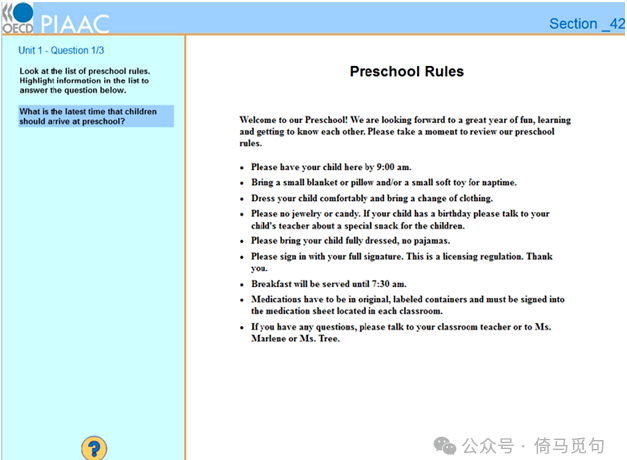
The image may be hard to read, so I have extracted its text. Try answering the question yourself.
Preschool Rules
Welcome to our Preschool! We are looking forward to a great year of fun, learning and getting to know each other. Please take a moment to review our preschool rules.
Please have your child here by 9:00 am.
Bring a small blanket or pillow and/or a small soft toy for naptime.
Dress your child comfortably and bring a change of clothing.
Please no jewelry or candy. If your child has a birthday, please talk to your child's teacher about a special snack for the children.
Please bring your child fully dressed, no pajamas.
Please sign in with your full signature. This is a licensing regulation. Thank you.
Breakfast will be served until 7:30 am.
Medications have to be in original, labeled containers and must be signed into the medication sheet located in each classroom.
If you have any questions, please talk to your classroom teacher or to Ms. Marlene or Ms. Tree.
The question is: What is the latest time that children should arrive at preschool?
If you cannot answer, a certain standard will classify you as "illiterate."
Of course, the question really is simple: the answer is "9:00 am" in the first rule. Everything else is a distraction.
Also, this skills assessment is conducted only in English. Whatever your native language, you must take the same English test. In other words, if you speak only your ethnic group's language and cannot speak or read English, you will also receive a lower score.
In fact, the same reading ability might count as "literate" in a less developed area but "functionally illiterate" in a more developed one. Immigrants who cannot speak their new country's official language can also readily be classified as "functionally illiterate." For instance, if I emigrated to France right now, I would instantly become thoroughly illiterate.
To summarize this section, the 21% illiteracy rate and 79% literacy rate come from the OECD's Programme for the International Assessment of Adult Competencies. Its literacy standard is entirely different from the UN's. Under the former, even someone "below Level 1" must possess "basic vocabulary knowledge." Under the UN standard, as discussed earlier, being able to read a passage or write a sentence in any language counts as literacy.
Having examined the "official US" information, we can once again see that mixing and comparing literacy rates based on these two standards is meaningless and unreasonable.
IV. What America's Low Literacy Rate Reveals
On the Chinese internet, most media compare China's 97% literacy rate with America's 79%, then attribute the difference to America's supposedly easygoing, happiness-focused education. A quick online search will show you this.
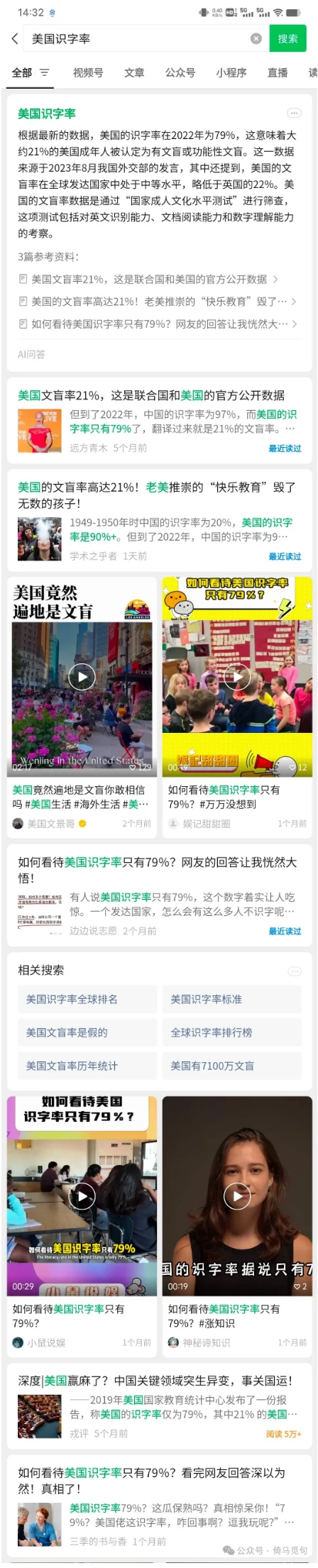
Such a comparison is certainly playing unfairly. Nevertheless, 79% is hardly an attractive figure. What problems does this low literacy rate reflect?
Forbes published an article on September 9, 2020, titled "Low Literacy Levels Among US Adults Could Be Costing the Economy $2.2 Trillion a Year." Citing research conducted by Gallup for the Barbara Bush Foundation for Family Literacy, it says that 54% of American adults aged 16 to 74 have literacy below a sixth-grade level. Improving their literacy could substantially increase personal incomes and thereby benefit the economy overall. From an economic perspective, the article argues that low adult literacy could cost the US economy $2.2 trillion annually.
Actually, America has lost nothing; the loss is imagined. It is like saying, "I did not study hard back then and missed the property and internet booms, which cost me a lot of villas and sports cars." Both are imagined losses. The article is really saying only that raising the floor of American literacy a little further could increase economic output by $2.2 trillion.
Society keeps advancing. For America, the UN's kind of literacy standard is no longer meaningful. Imagine the US government still compiling figures by that standard every day: 99.7% today, 99.8% tomorrow, 99.9% for men, 99.8% for women. What would be the point? Musk would kick up a fuss again and put it straight on a list of "the government's stupidest expenditures."
For America, then, the literacy standard has to rise so that new goals can be set and social progress promoted. Once the standard rises, the figures are bound to look worse. Whether they look good or bad is unimportant; what matters is identifying shortcomings and encouraging development.
V. My Reflections
In the seventy-five years since the founding of the People's Republic of China, the material and spiritual lives of the Chinese people have changed beyond recognition. The speed of development can be called unparalleled, ancient or modern. Rising literacy is merely one small item among our many victories. In this respect, all of us as Chinese people are filled with pride.
We have already achieved such great results and will achieve still greater ones, so we have the confidence to face foreigners with neither servility nor arrogance. We need neither fawn over foreign countries nor discriminate against them. Calmly accepting reality and continuing to work hard is enough.
Some people in China still envy the superior lives of developed countries and dream of "getting out" abroad. Yet they have never considered what they and their forebears contributed to those countries' prosperity, or what price they must pay to join them. I still think that instead of finding ways to leave, it is better to strive openly and proudly as a Chinese person. Even if your aim is personal comfort, working hard in China is the better bargain.
Others have abundant patriotic enthusiasm but lack reflection, so they cannot always understand real conditions abroad and are repeatedly deceived. I believe these are fundamentally straightforward and upright people. They will keep improving themselves and grow alongside the Republic.
Returning to literacy, China's current rate has already reached 97% by UN standards, and 100% among young people. But the Chinese people's educational and cultural attainment will continue to rise. Once basic literacy is addressed, we find that many people remain "functionally illiterate." We also have serious reading problems: many people's reading skills are weak, and they may read only a few books a year. We must face these realities.
Chinese intellectuals should not become conceited or constantly dream of leaving. Remember that you have the time and resources to acquire knowledge because many more working people at the bottom labor day and night for meager wages. Only when their lives improve and their education advances will China become truly prosperous and strong.
Comments
No account needed. A nickname is required; email is optional. Successful submissions appear publicly without manual pre-moderation.
Comments and nicknames are public. Optional email addresses are not displayed. The selected Waline backend and its hosting provider process comments, nicknames, optional email, IP and browser information. Comments show IP region, without the full IP address or browser and operating system labels. Hosting: Vercel; database: Neon.