I originally did not drink. Then, one afternoon in my second year at university, I was walking off campus with a few classmates near Liangxiang Nanguan when we happened to pass a liquor workshop. Curious, we went inside for a look.
Although I call it a workshop, strictly speaking it was probably a liquor shop. I saw no brewing equipment or ingredients inside, only many black ceramic vats and jars. Each bore the black character for “liquor” on a red background, with prices below ranging from “10 yuan” and “20 yuan” to “50 yuan” and “100 yuan.” There were different varieties too, supposedly all homemade.
I bought one jin of the 20-yuan liquor. The proprietress poured it into a plastic mineral-water bottle. I paid, took the bottle, walked out, and continued our stroll.
Along the way, I took an occasional sip. At first it did not taste particularly good. After all, baijiu is unlike other drinks: it is neither sweet nor thirst-quenching, and it has a burning sensation. Sometimes I had to frown to swallow it.
After a few sips, however, I gradually began to feel the alcohol's effects. My body warmed up and my spirits rose. Movements controlled by my cerebellum became less precise, and keeping my balance was difficult. My brain, however, grew more active, and I became more talkative.
Walking and drinking, we reached campus before I knew it. A reading group happened to be scheduled that evening. After a simple dinner, we went ahead with it as planned.
I had always been very introverted, saying nothing in public if I could avoid it, and speaking particularly little in reading groups. That day, under alcohol's influence, however, I spoke fluently and endlessly, almost turning the discussion into a one-man comedy act. I truly felt like the poet who could “compose a hundred poems after a measure of wine.”
After the reading group ended, I thought I would take another sip, only to find that the bottle was already empty. I had drunk the whole jin and still wanted more.
From then on, I fell in love with drinking.
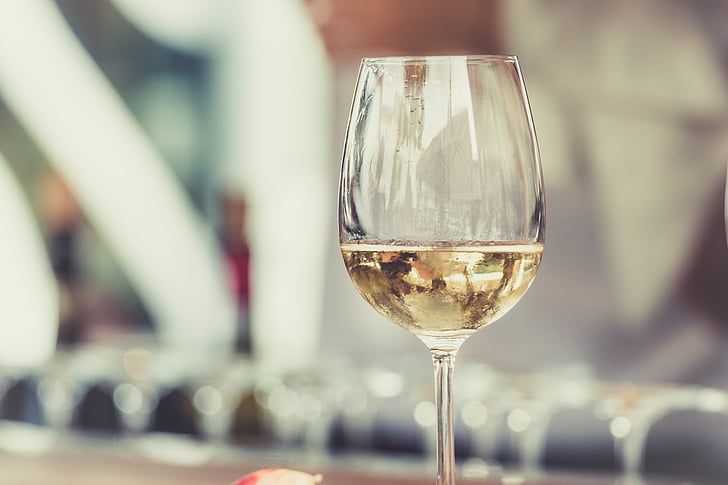
I discovered that alcohol's effect, in a nutshell, is to inhibit our inhibitions.
Ordinarily, when interacting with people, we consider many things. We wonder whether an action or remark is appropriate and keep thinking about the consequences of our words and deeds. Put plainly, we are too thin-skinned. After drinking, however, we stop considering so much, act directly on what we want, and become much thicker-skinned.
For example, ordinarily, when we see a beautiful woman, we feel attracted yet do not want to admit it. Thoughts crowd our minds, as though two views were fighting. One says, “She's so beautiful—go chat her up.” The other says, “No, you're an upright gentleman. You can't ruin your lifelong reputation like this.” We spend ages in internal conflict and take no action.
After drinking, it is different. On seeing a beautiful woman, there are still two views. One says, “She's so beautiful—go chat her up.” Before the other has even prepared to speak, we have already followed the first and gone over. All the lines that normally seem too cheesy come pouring out.
We can understand it this way: ordinarily, our words and actions are subject to an inhibitory function. After drinking, that function disappears—or rather, the inhibitory function is itself inhibited. An idiom for it would be “free of all restraints”; a popular phrase would be “letting yourself go.”
Drinking can therefore reveal one's true disposition. If you like someone, after drinking you cannot help expressing it in all sorts of ways; if you dislike someone, that too comes out. What we do after drinking is what we normally want to do inside. If there are temptations you can resist even when drunk, and principles you uphold even when drunk, that shows those principles have truly become “internalized in the heart and expressed in action.” Zhuge Liang said, “Make a person drunk with wine and observe their nature,” and the saying “drinking behavior reveals character” means the same thing.
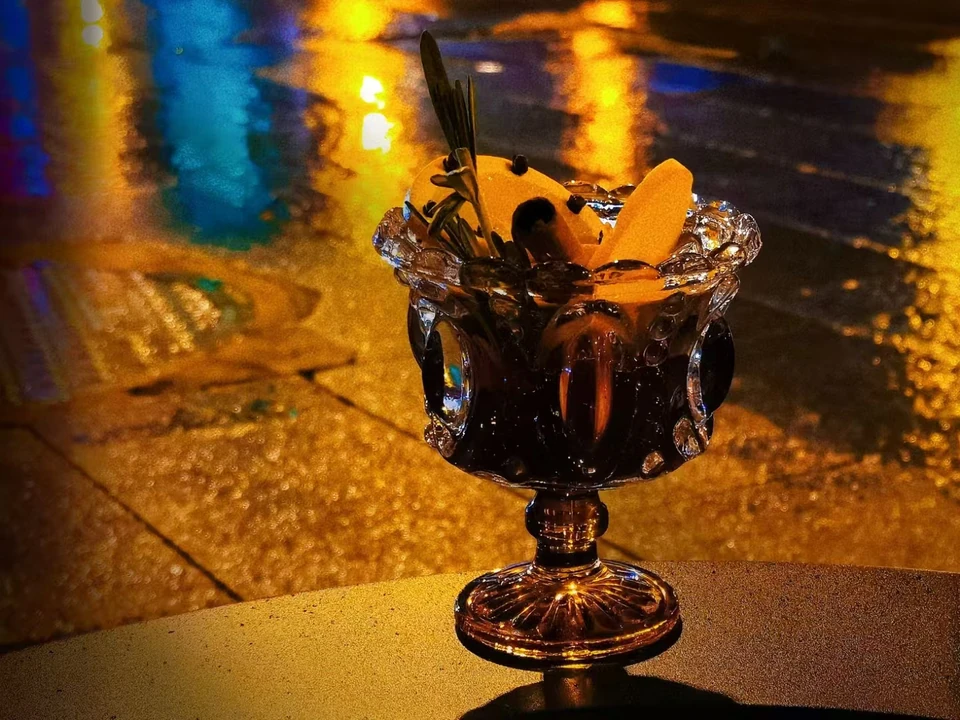
This very effect makes alcohol indispensable on many occasions.
At a dinner gathering, for example, drinking can quickly break the ice and enliven the atmosphere. People can get to know one another quickly and judge whether they are suitable for further friendship or cooperation.
When alone or together with friends, drinking can quickly dispel suppressed feelings, release negative emotions, and maintain physical and mental health.
In a bar, drinking serves similar purposes: it lets strangers become acquainted quickly and lets someone alone relieve their sorrows.
Some writers, for another example, have already accumulated enough material and emotion. Like water in a reservoir, they have built up a great deal, but the walls and dam are too high, blocking the water from flowing out into a work. Alcohol can change this, as though blasting an opening in the reservoir's edge. Inspiration gushes out, making it easier to produce a work.
In sum, alcohol resembles a catalyst in a chemical reaction, greatly accelerating its rate. At the right time, it can quickly advance a relationship between two people or speed up creative work.
But a catalyst does not change the chemical reaction itself. You cannot expect alcohol to improve the relationship between two people who fundamentally do not get along, nor expect someone with nothing inside to say anything valuable after drinking.
Treating alcohol as a means can indeed improve life; making drinking an end in itself will only add to your troubles.
A year ago, I attended a concentrated series of business drinking gatherings and got drunk several times. Because of my constitution, getting drunk always makes me feel terrible. If I get drunk at night, the next day is a write-off. For a while, I became averse to alcohol. Sometimes even the smell of baijiu brought to mind the next day's headache, and I could not drink it at all.
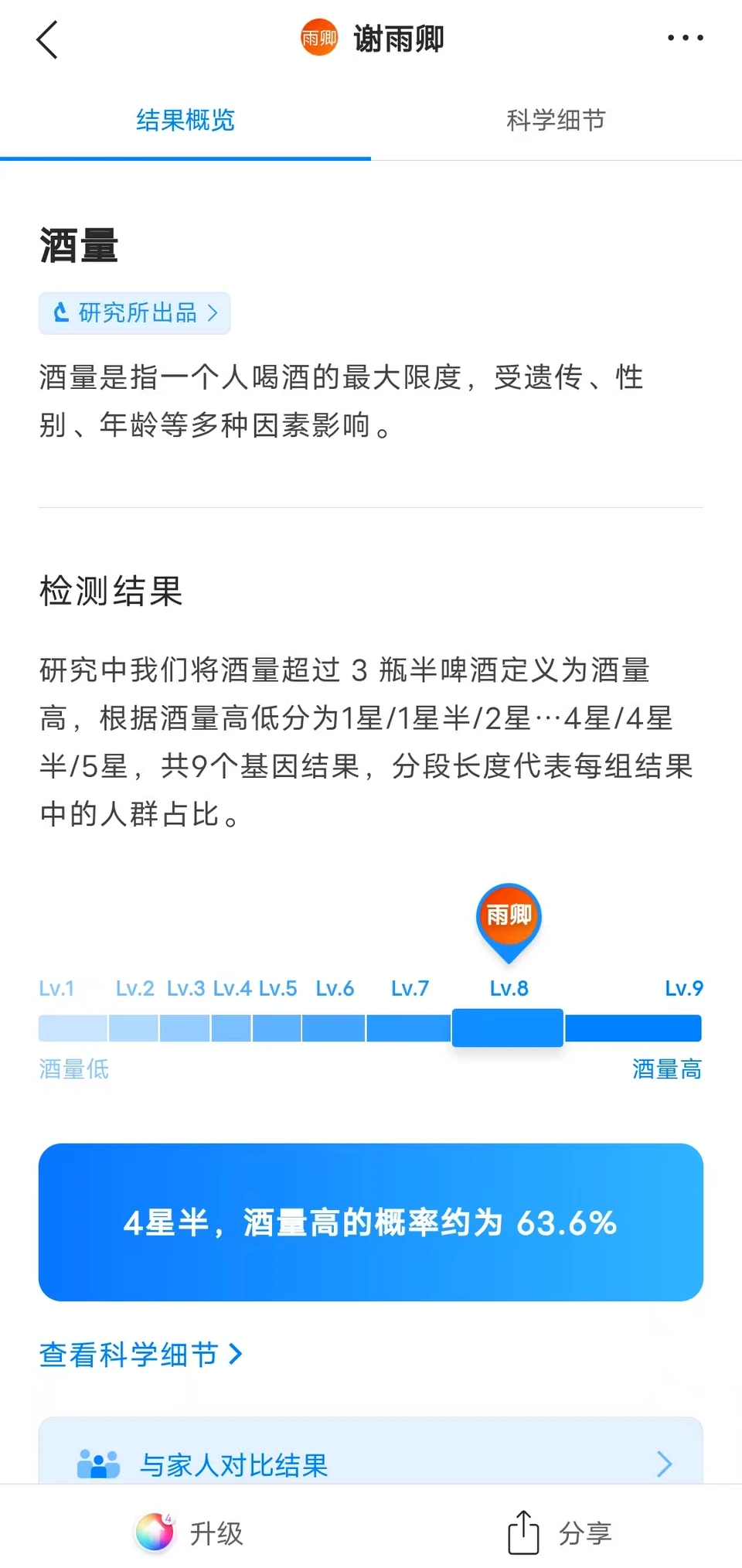
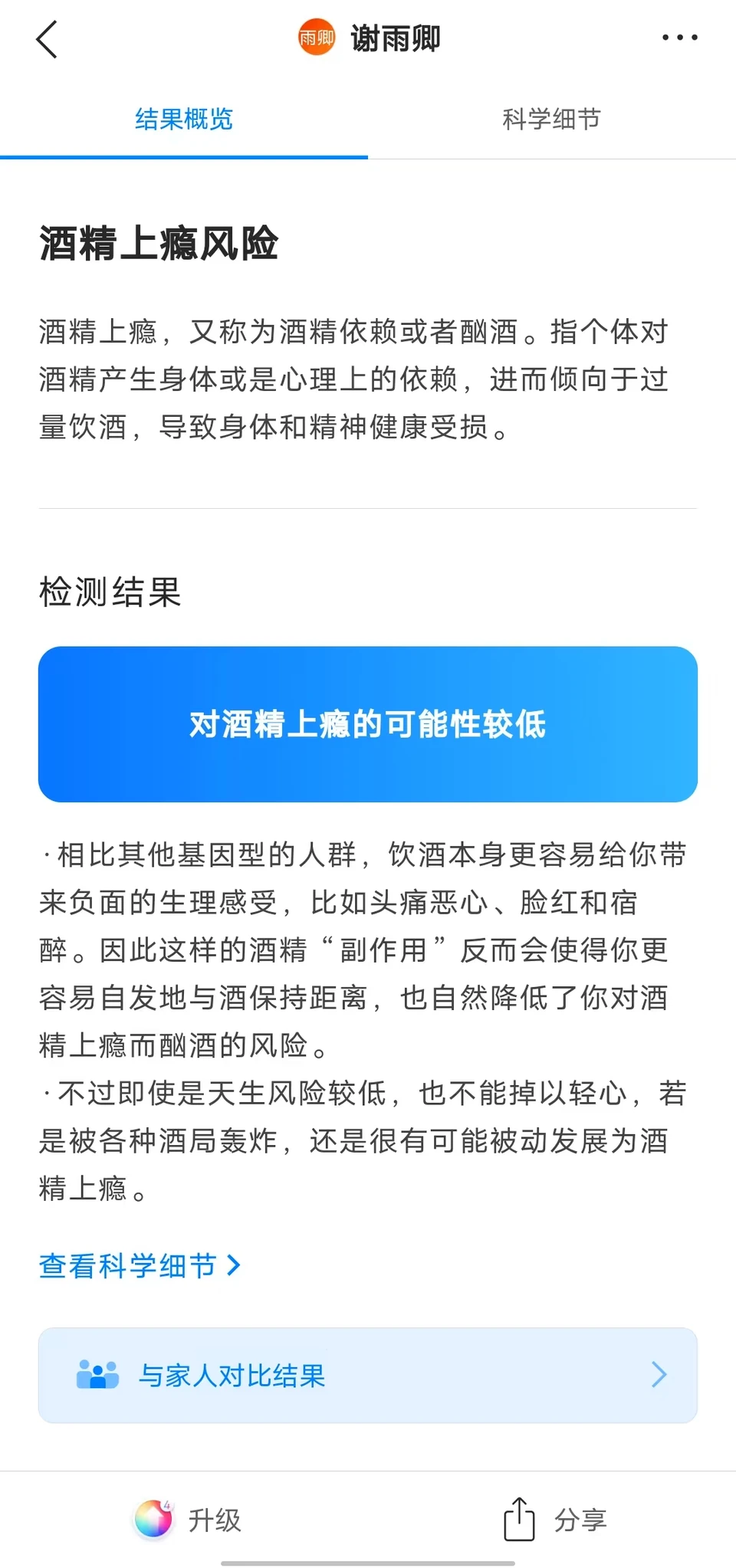
Drinking depends greatly on one's state of mind. When in the mood, I can hold my liquor and will not stop until drunk; when not in the mood, I do not even want to smell it. So these days I drink only when necessary. After all, alcohol harms the body, and less is better.
Comments
No account needed. A nickname is required; email is optional. Successful submissions appear publicly without manual pre-moderation.
Comments and nicknames are public. Optional email addresses are not displayed. The selected Waline backend and its hosting provider process comments, nicknames, optional email, IP and browser information. Comments show IP region, without the full IP address or browser and operating system labels. Hosting: Vercel; database: Neon.