Every time I return to Sichuan, I have one worry: I do not speak Sichuanese well.
Some people may ask: so what if you do not speak it well? Why should that be a worry?
Because Sichuanese is so widely spoken in Sichuan. People generally use it in daily life and at work, and the dialect environment is strong, especially in rural areas. Speaking Standard Mandarin in such a setting can make you seem a little pretentious.
Two years ago, I interned at a company in Chengdu. The company happened to receive the president of an undergraduate university in Sichuan. He and the company owner chatted happily in Sichuanese. During their conversation, the president said, “Some leading officials can’t even speak Sichuanese. They’re so high and mighty—how can they do good work among the people?”
It is understandable that outsiders cannot speak Sichuanese. But if you are from Sichuan and cannot speak it, that is harder to explain away. Yet forcing yourself to speak it badly also invites ridicule. Once, a friend mercilessly teased me for the strange way I spoke Sichuanese. Since then, I have felt even more insecure about it.
Why, then, do I speak it so poorly?
Before junior high school, I attended school in Zhejiang. I spoke Standard Mandarin at school during the day and Sichuanese—the Mianyang variety—at home in the evening. My foundation in Sichuanese was weak, and the influence of Standard Mandarin made it very inauthentic.
I attended junior high school in Xichong County, Sichuan. Xichong is a dialect island. Because of its remote location, its dialect retains more elements of older Chinese, and its tones and vocabulary differ considerably from mainstream Sichuanese.
After three years on this dialect island, my Sichuanese had become a mixture of Xichong speech, Mianyang speech, and Standard Mandarin. In short, it sounded very strange, and I was embarrassed to let people hear it.
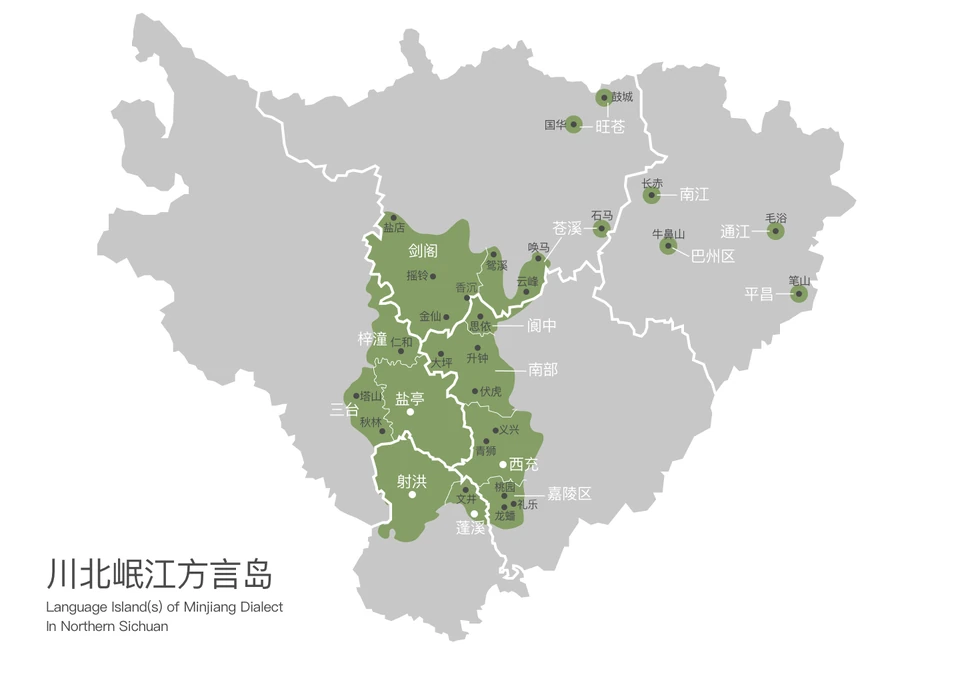
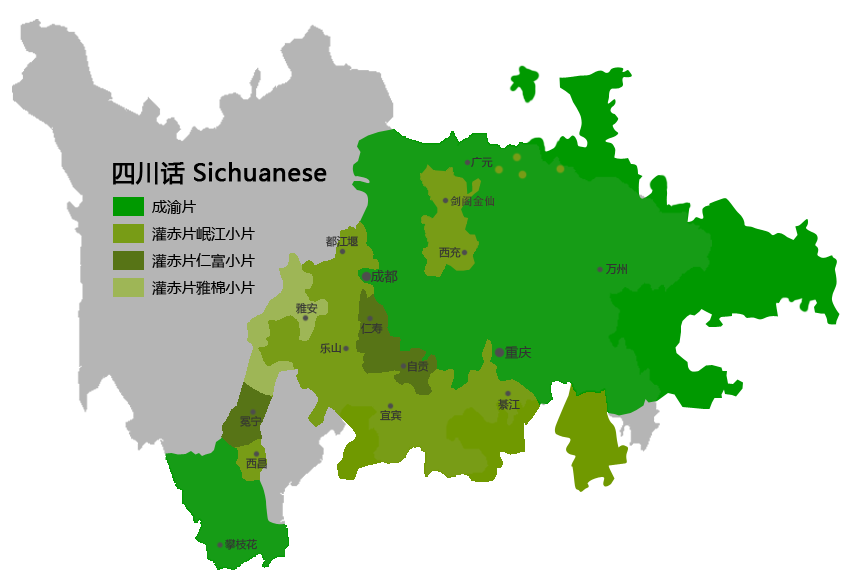
This feeling of embarrassment has a considerable effect. You could put it this way: speaking Sichuanese makes me feel the way many Chinese people feel about speaking English. I am self-conscious, always thinking I sound incorrect, and have to summon the courage to open my mouth.
Having to summon courage just to speak affects everyday work and life. Given the same topic, for example, I can speak confidently and fluently in Standard Mandarin, but in Sichuanese I never feel quite as smooth.
My former boss had the same problem, though in reverse. He spoke Sichuanese fluently and could deliver a brilliant speech in it at any moment. But whenever he had to speak Standard Mandarin, his presence became noticeably less commanding.
Perhaps everyone who speaks several languages or dialects has different levels of ability in each. My case is simply somewhat more extreme.
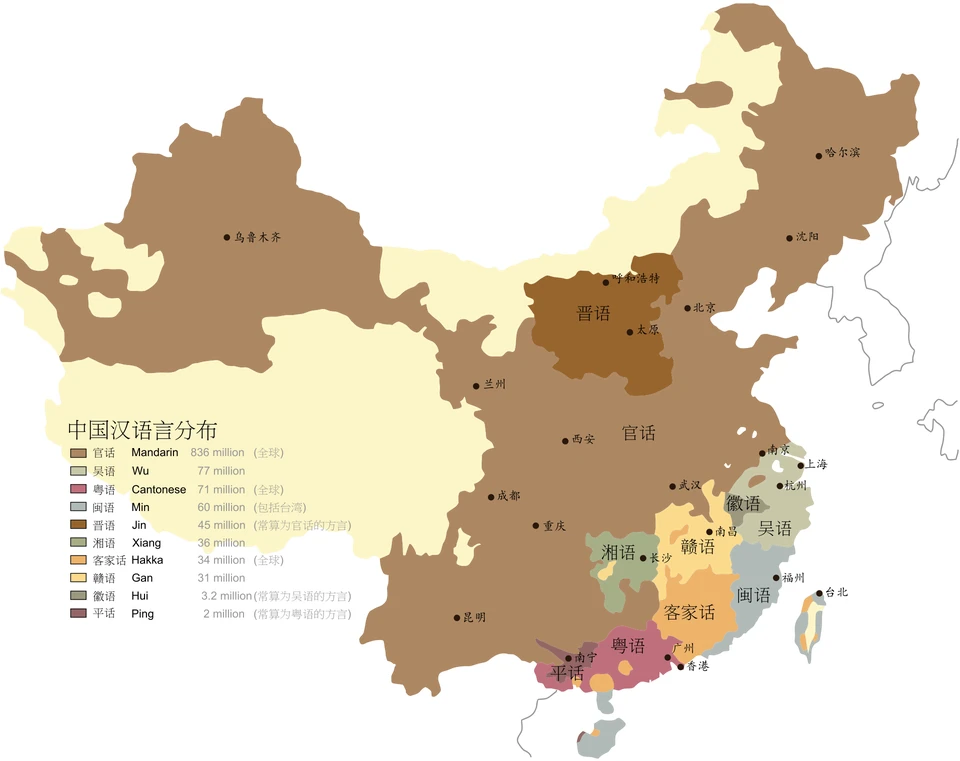
Come to think of it, I really have little talent for languages. It is not only Sichuanese that I struggle with. Even after spending more than a decade in Zhejiang, I still cannot understand the local speech at all and have to rely entirely on tone of voice to infer what people mean. Nor is it only Wu Chinese: I also struggle to understand dialects in Mandarin-speaking regions such as Henan, Hebei, Shandong, and Shaanxi. I have heard that decades ago, when Standard Mandarin was not yet so widespread, people who traveled around could understand many regional dialects and speak a little of each. That ability truly deserves admiration!
It is relatively easier for candidates from Sichuan to enter Sichuan University than for candidates from other provinces. My college entrance examination score would have been sufficient, but I did not apply. Apart from the old saying “do not enter Shu while young,” one reason was my lack of confidence in my Sichuanese. I did not want to spend the rest of my life using it as my working language. That would have been sheer torment for me…
Of course, avoidance is no solution. Overcoming the psychological barrier and studying more are the fundamental ways to resolve this problem.
Comments
No account needed. A nickname is required; email is optional. Successful submissions appear publicly without manual pre-moderation.
Comments and nicknames are public. Optional email addresses are not displayed. The selected Waline backend and its hosting provider process comments, nicknames, optional email, IP and browser information. Comments show IP region, without the full IP address or browser and operating system labels. Hosting: Vercel; database: Neon.