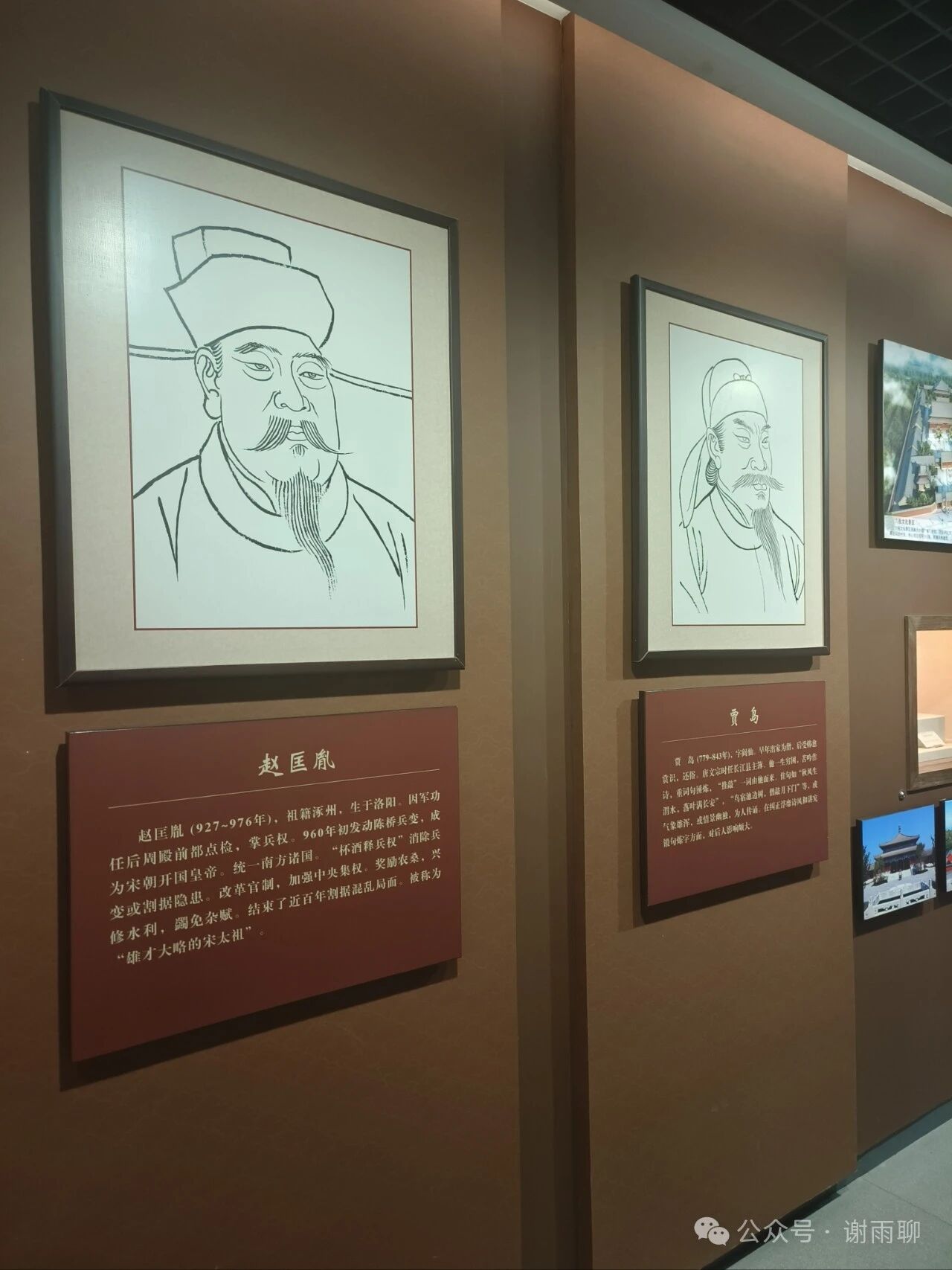
While visiting Zhuozhou Museum, I discovered that Zhuozhou was Zhao Kuangyin's ancestral home. Yet the Zhao family's Song dynasty occupied it only twice throughout its existence.
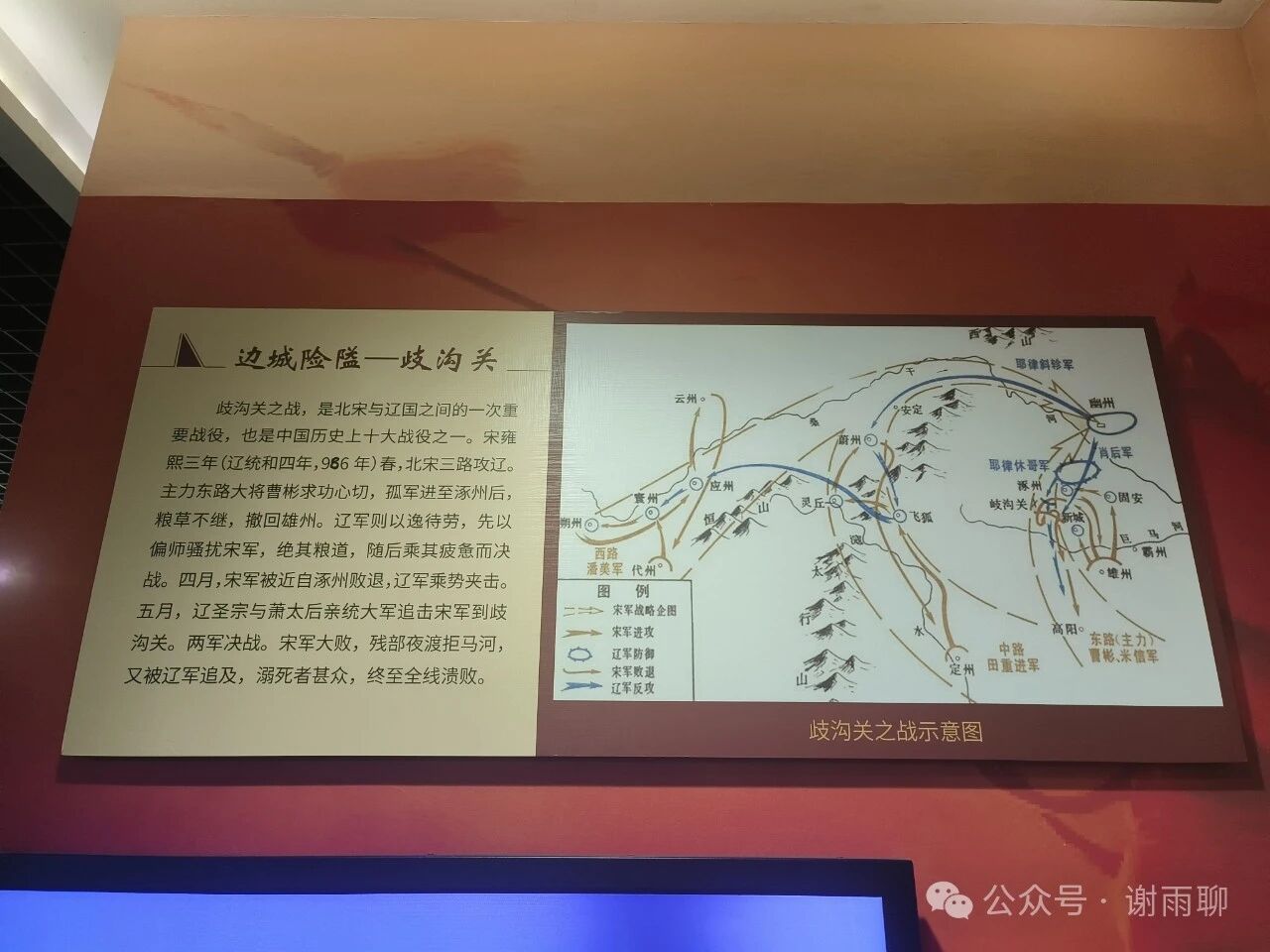
The first time was during the Battle of Qigou Pass. The Song occupied Zhuozhou for a dozen or so days before the campaign quickly went wrong and its forces returned in defeat.
The second was when Guo Yaoshi, the Liao official in charge of Zhuozhou, surrendered to the Song in the fourth year of Xuanhe under the Northern Song. Three years later, however, he defected again, this time to the Jin.
In other words, the Song imperial family's ancestral homeland was controlled by the Song regime for only three years. The rest of the time it was part of Liao or Jin territory.
Also from Zhuozhou were Liu Bei, Emperor Zhaolie of Han; Zhang Fei, Marquis Huan of Han; Lu Zhi, a distinguished Eastern Han official; Li Daoyuan, author of Commentary on the Water Classic; Lu Zhaolin, one of the Four Paragons of the Early Tang; the Tang poet Jia Dao; the eminent Tang monk Huineng; and the contemporary writer Shi Tiesheng.
In addition, South Korean presidents Roh Moo-hyun and Roh Tae-woo claimed descent from branches of the Lu clan of Fanyang, whose ancestors were from Zhuozhou.
Comments
No account needed. A nickname is required; email is optional. Successful submissions appear publicly without manual pre-moderation.
Comments and nicknames are public. Optional email addresses are not displayed. The selected Waline backend and its hosting provider process comments, nicknames, optional email, IP and browser information. Comments show IP region, without the full IP address or browser and operating system labels. Hosting: Vercel; database: Neon.