If you had asked me on the evening of May 10 what I planned to do the next day, I would have said I just wanted to lie around quietly at home.
If you had asked where I was on the morning of May 11, I would have sent you a photograph of Liulihe Bridge.
If you had asked where I was on the afternoon of May 11, I would have sent you the location of Zhuozhou Museum.
Yes, Ma and I decided on the spur of the moment at 7:37 am to visit Liulihe. After hurried preparations, we left Liangxiang University Town at 8:45, rode shared bicycles to Liangxiang Nanguan bus stop, and took bus F68 all the way to the Western Zhou Yan Capital Site. We later spontaneously decided to take bus 838 from Liulihe Town to Zhuozhou, where we visited the museum, the Yunju Temple pagodas, and Gulou Street. That night we took buses back to Fangshan. The whole trip cost less than forty yuan per person and took under twelve hours.
This article briefly records what we saw and heard along the way.
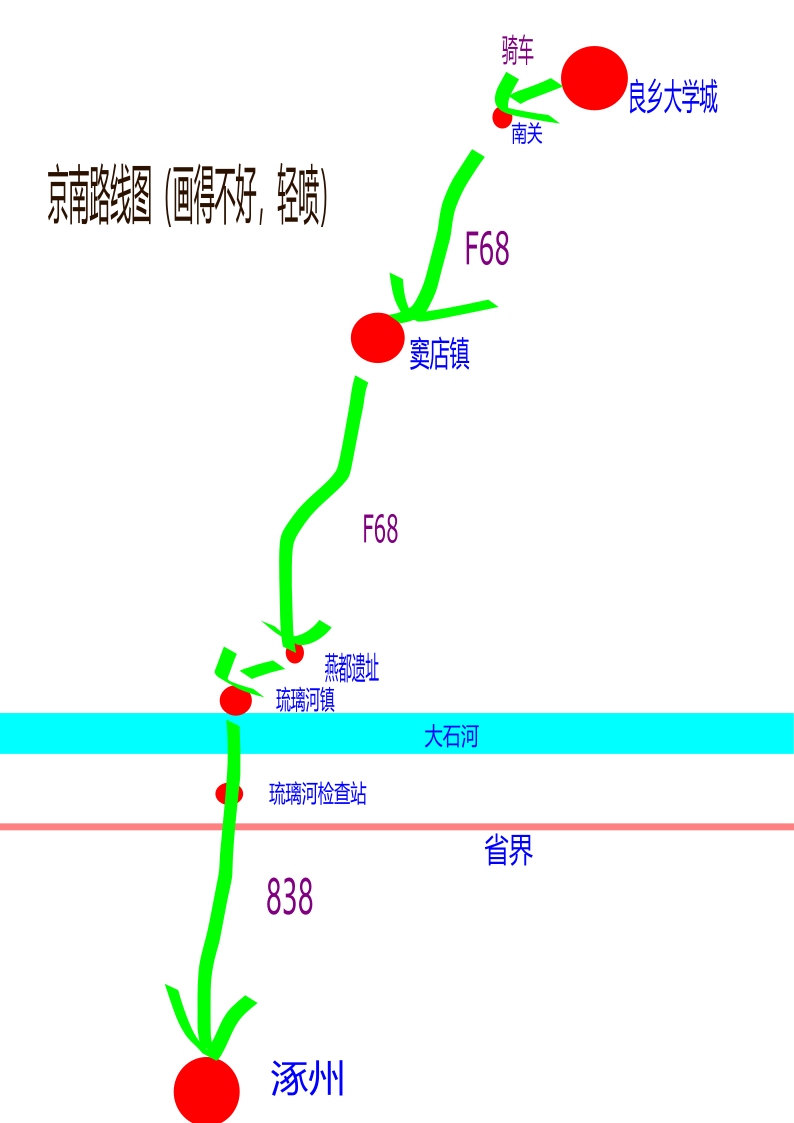
I. Doudian
Doudian lies on the route from Liangxiang to Liulihe and is also one of the three new-town clusters officially designated by Fangshan.
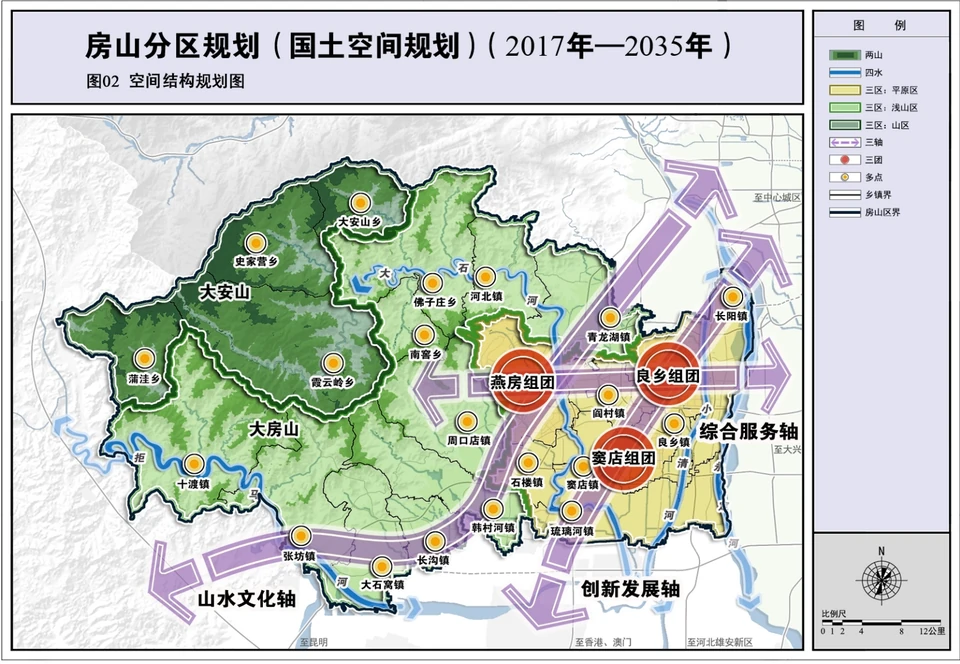
I had never visited Doudian because it is really far from Liangxiang: thirteen kilometers in a straight line, with no subway connection and little public visibility. I suspect 90% of Liangxiang University Town students may never even have heard of it, let alone visited.
Doudian was larger than I expected. Its main urban area stretches four or five kilometers along the southern section of Dadou Road, with buildings lining both sides: residential neighborhoods, restaurants, building-material markets, entertainment venues, and more. The restaurants are particularly varied. Alongside local Beijing lamb hotpot, roast duck, and Huguosi snacks are halal restaurants, iron-pot stews, Henan spicy soup, Hunan cuisine, Sichuan hotpot, and Chongqing grilled fish. This suggests an active local economy and many residents from elsewhere.
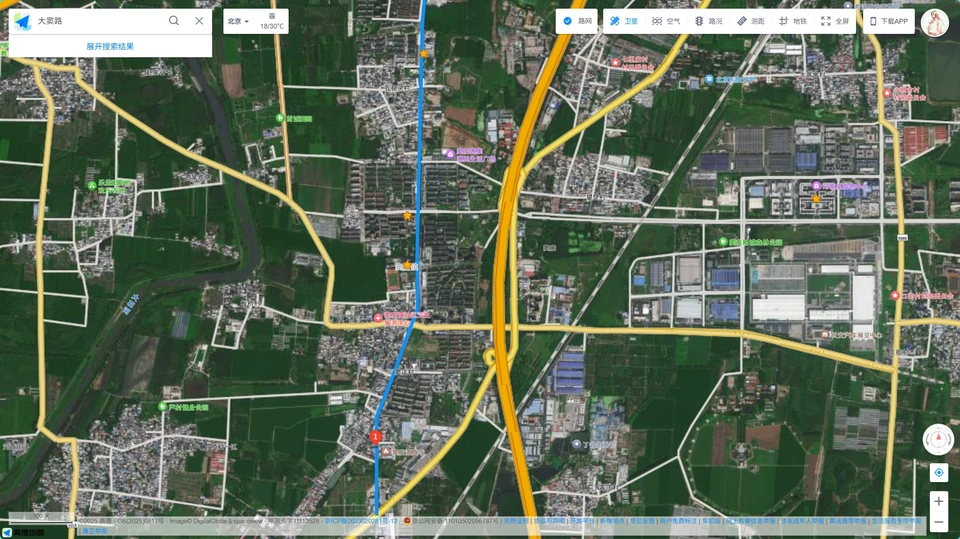
Someone told me that living costs are low in Doudian. Many people sleep here and take a bus to Suzhuang in the morning to catch the subway to work. Many Liangxiang residents make special trips here for food and entertainment. The downside is a lack of large shopping malls, leaving women with few places to shop.
Doudian Mosque also left a deep impression. Built entirely of white stone, with delicate carvings and a simple, imposing design, its strongly foreign style stands out sharply among the surrounding buildings. Only after looking it up online did I learn that it is the largest mosque in North China. No wonder it is so spectacular.
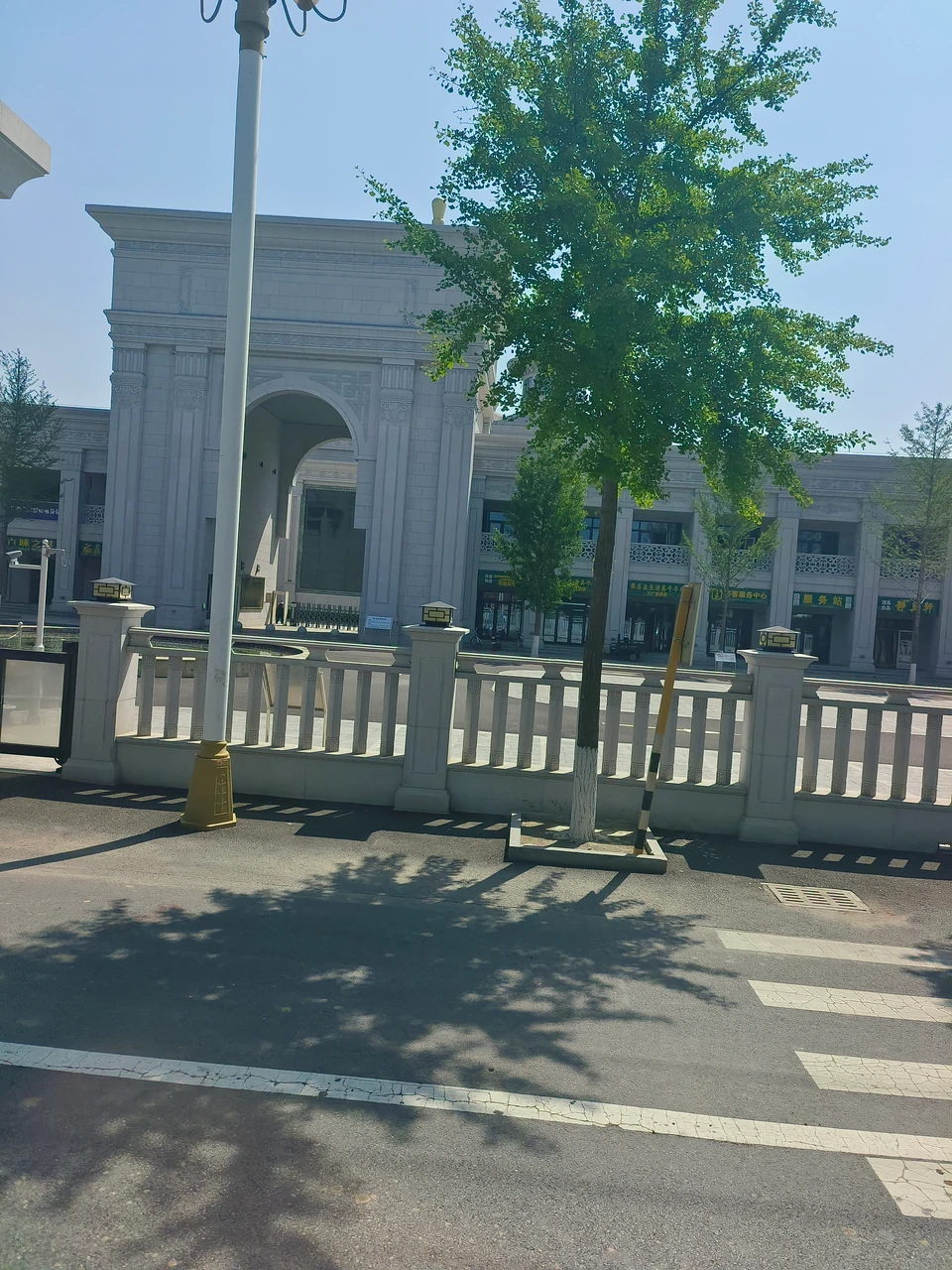
II. The Western Zhou Yan Capital Site
The Liulihe Site is the Western Zhou Yan Capital Site, the location of Yan's capital during the Western Zhou. After King Wu defeated Shang, he enfeoffed his younger brother, Duke Shao Shi, as ruler of Yan. Duke Shao Shi did not go to Yan himself, but remained in the Central Plains and sent his son Ke to take office there.
Yan moved its capital in the middle Western Zhou. Later, it conquered the state of Ji to the north, in today's urban Beijing, and moved its capital again to Ji. That is why, when we memorized the capitals of the Seven Warring States in junior secondary history, Yan's capital was Jicheng. Beijing's later name "Yanjing" is also connected with Yan.
The Records of the Grand Historian says that after King Wu conquered Yin, he enfeoffed Duke Shao Shi in Yan and a descendant of Emperor Yao in Ji, but does not specify their locations. Historians long debated the location of Yan's early capital without reaching a conclusion. Excavation of the Liulihe Site finally settled this historical mystery.
Archaeologists at Liulihe found large quantities of pottery, oracle bones, bronzes, jade objects, and other artifacts from the early Western Zhou.
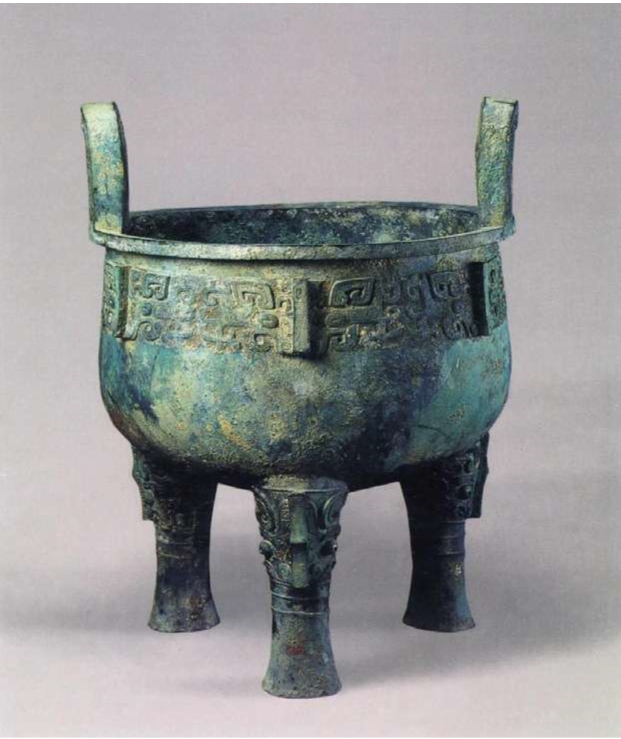
Among them was a bronze ding vessel bearing an inscription of twenty-six characters in four lines. Research establishes its general meaning as follows:
On the orders of the Marquis of Yan, "Jin" went to Zongzhou, the Zhou capital, to present food to the Grand Protector, Duke Shao. The Grand Protector rewarded Jin with money, which Jin used to cast this ding.
Two bronze wine vessels were also unearthed from a tomb at the site. Their almost identical forty-three-character inscriptions broadly mean:
The Zhou king said: Grand Protector, you have served your ruler with oaths and clear wine. I am greatly pleased with your offerings and order your son Ke to become the lord of Yan, administering and employing its people and land. Ke arrived in Yan and received its land and administrative institutions. To commemorate this, he made this precious vessel.
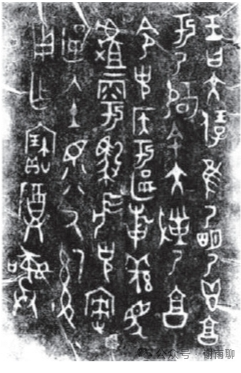
The ding was named the "Jin Ding," and the two wine vessels the "Ke He" and "Ke Lei," pronounced hé and léi. These artifacts prove that this was Yan's earliest Western Zhou capital more than three thousand years ago. They also show that Duke Shao Shi never went to Yan, but sent his eldest son to take office there.
In other words, Liulihe holds the sleeping remains of Western Zhou Yan's earliest capital and its first ruler. Anyone with even a little knowledge of Chinese history would agree that the site's historical value is extraordinary.
That is why Ma and I had to come—even though we already knew the Liulihe Site Museum was closed.
Yes, you read that correctly. Liulihe closed back in August of the year before last. Apparently, Typhoon Doksuri caused severe flooding on the Dashi River, badly damaging the museum grounds. It had to close for emergency recovery and reconstruction and has still not reopened.
At the entrance, we saw a group of statues of Western Zhou soldiers. Looking through the gate, we could see a broad, straight road extending south toward rows of trees, with fields on either side. The site was larger than we had imagined.
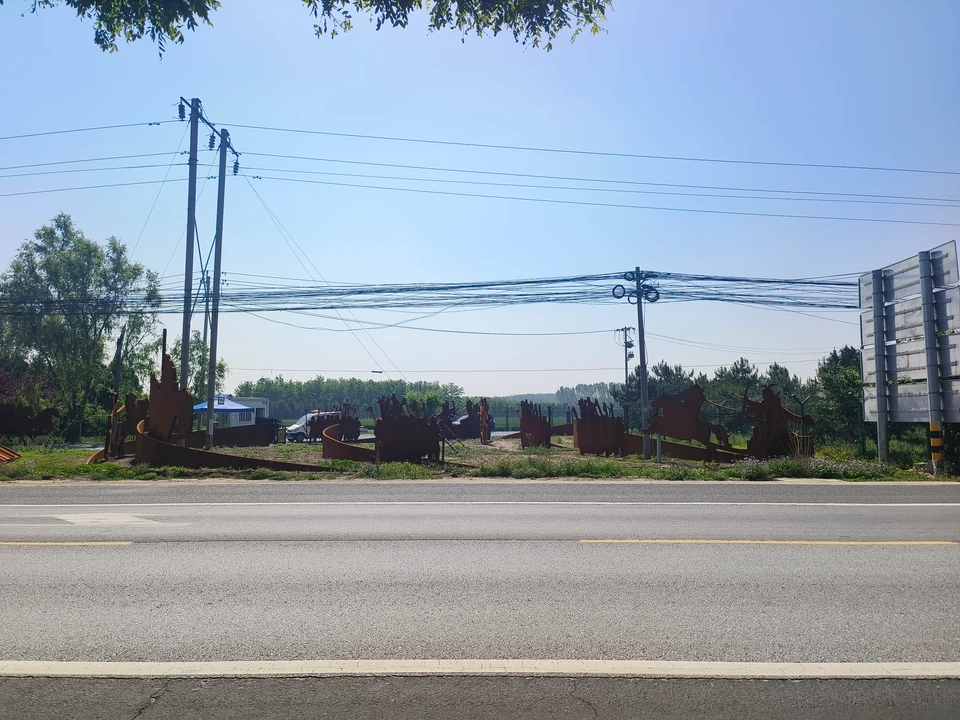
A security guard playing games at the entrance told us the museum was closed and we could not enter.
We asked when it would reopen. He said we would have to wait until next year.
We asked which day next year. He fell silent.
Everything was as expected, so we turned and headed toward Liulihe Town.
Suddenly, however, the guard grew nervous and shouted after us: "Whatever you do, don't climb over the wall! That's illegal…"
Well, had Ma done so many bad things that his face had changed and he now looked like a criminal?
III. Liulihe Town
The Dashi River is the Dashi River, yet here it is called "Liulihe." Why?
There is a village called "Liulidian" north of the river. Could local people have made a pun?
All right, let us leave that question aside for now.
Ma and I took a bus to Liulihe Town. The town government, Liulidian Village, and the Yan capital site lie north of the Dashi River, but more buildings stand to the south. South of the river are many apartment buildings, shops, restaurants, schools, petrol stations, and a cement factory. We can infer that future development will incorporate neighborhoods north of the Dashi River into the Liulihe heritage protection and scenic area, while the southern side will become a transport hub and residential area linking Zhuozhou and Fangshan.
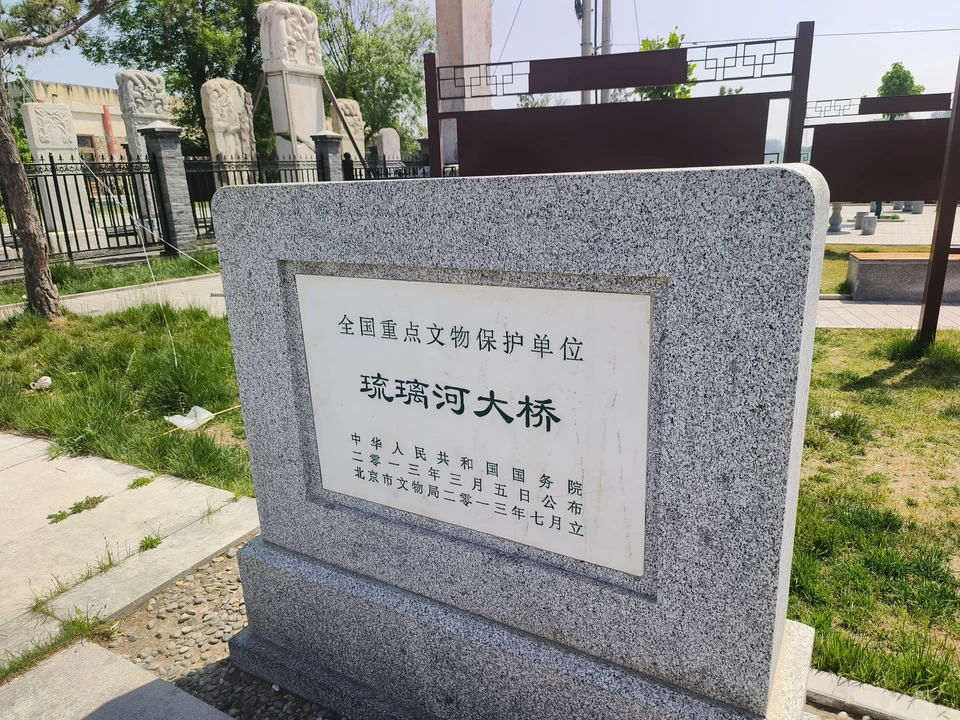
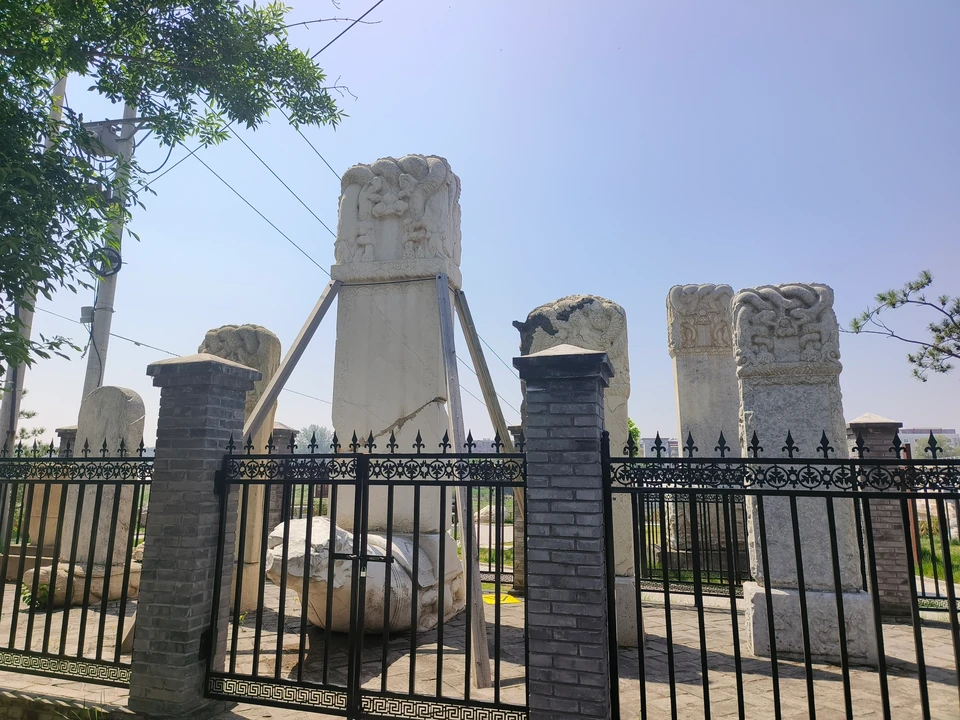
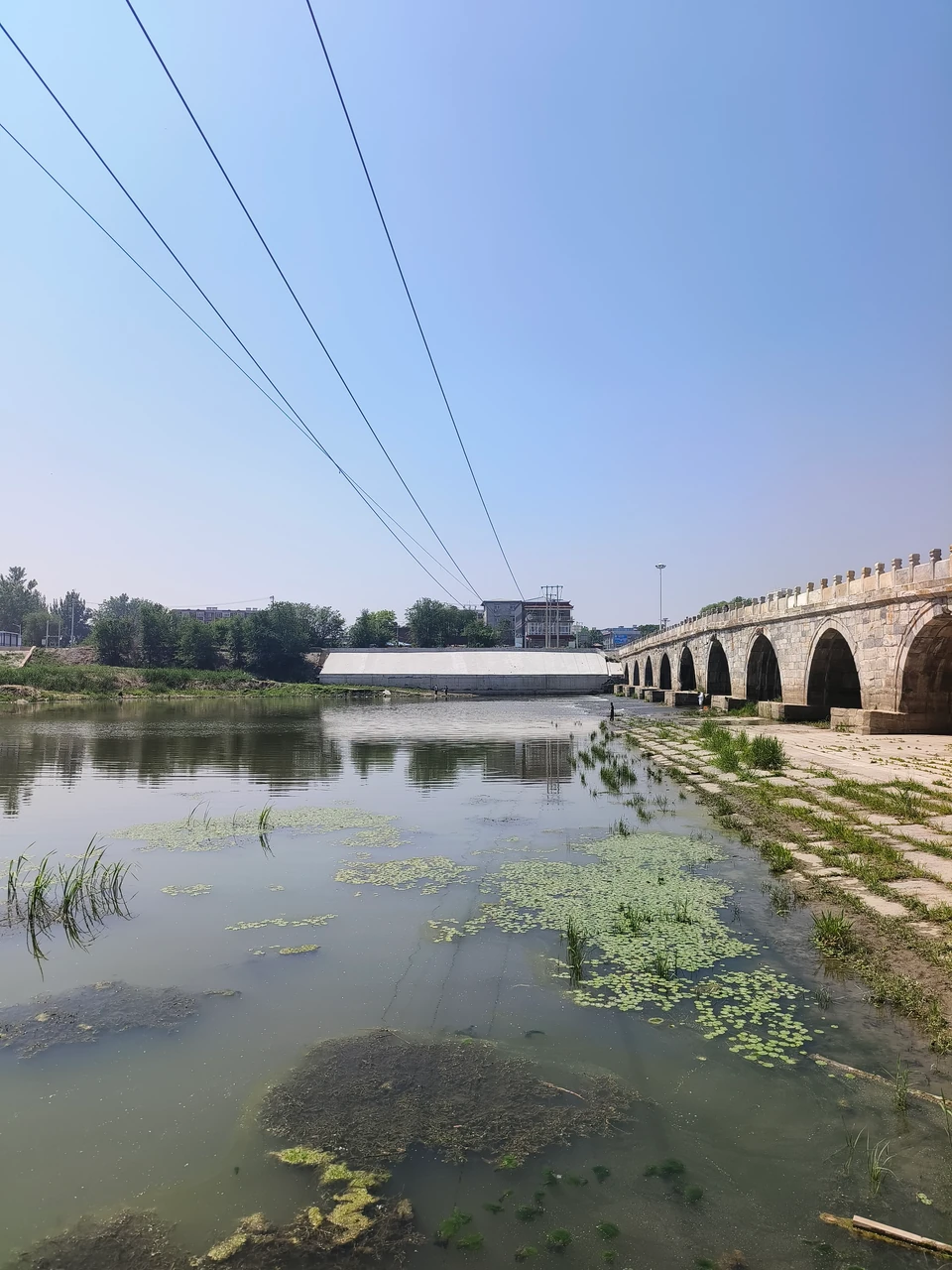
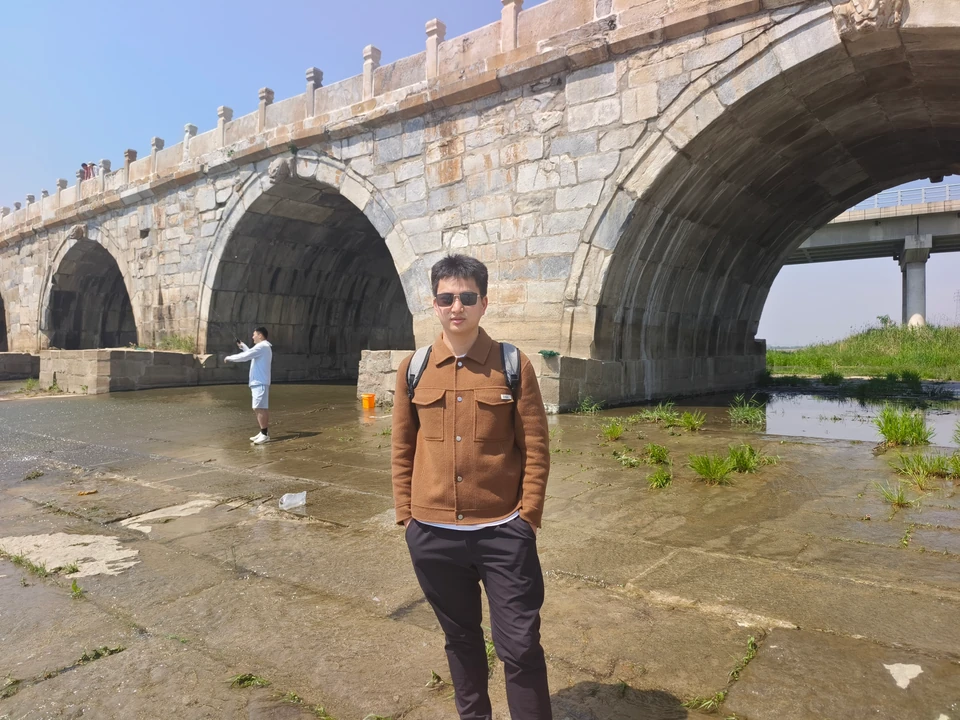
Two bridges connect the northern and southern parts of Liulihe Town. One is a modern reinforced bridge forming part of National Highway G107, which carries all vehicle traffic. The other is an eleven-arch stone bridge called "Liulihe Bridge," built in the Ming dynasty. After centuries of wind and weather, it remains sturdy and magnificent, with many people walking and relaxing on it. North of the stone bridge stand steles from different dynasties, all historical relics.
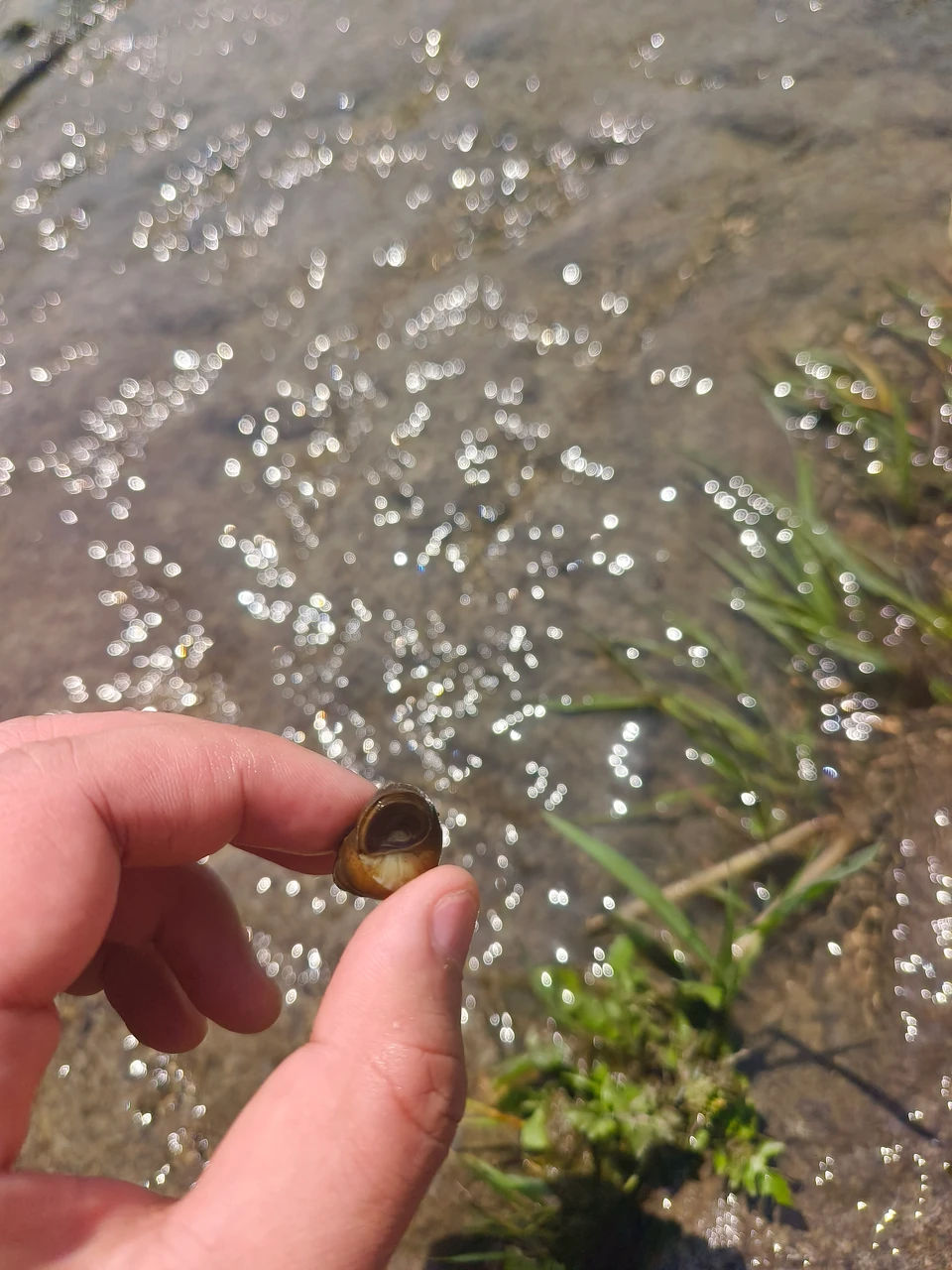
The Dashi River has little water. Only half the area beneath the stone bridge is water; the other half consists of stone-paved steps. Many anglers were fishing along the banks and seemed to be catching a fair amount. There were also river snails, though probably not enough to make a plateful.
Ma and I crossed the stone bridge southward and reviewed our morning: Doudian, the Liulihe Site, and Liulihe Bridge. Although the museum was closed, the visit had still been worthwhile. Time to head home, then.
At that moment, I glanced at the map and suddenly noticed that Liulihe Town was twenty kilometers from Liangxiang but only fifteen from central Zhuozhou. I casually suggested, "Why don't we go to Zhuozhou?"
To my surprise, Ma did not object.
No objection means agreement. Silence can also mean agreement. Not agreeing then does not mean not agreeing now. Human cooperation and progress exist precisely because there is so much agreement in the world. Since we both agreed, let us set off.
We boarded bus 838, passed through the Liulihe checkpoint into Hebei, traveled through Dongxianpo Town, crossed the Juma River, and soon reached central Zhuozhou, the hometown of Liu Bei and Zhao Kuangyin.
To find out what happened next, stay tuned for the next installment.
Have you heard of the "Liulihe Site"? (Choose one.)
- Yes, I have heard of it. It was the Western Zhou capital of Yan.
- No. I learned something new from this article.
- I have passed through Liulihe but never noticed the site.
- The site has been closed for that long? Shocking!
-END-
This is a WeChat public account where you can learn something new. Follow me for more interesting articles~
Related article:
How Do You Identify a City's Center? Look at the Official Maps!
Main Reference
Beijing Daily Special Reports Department. Three Thousand Years of Beijing: The History of the City's Foundation Through Archaeological Discoveries [M]. Beijing: Beijing United Publishing Company.
Comments
No account needed. A nickname is required; email is optional. Successful submissions appear publicly without manual pre-moderation.
Comments and nicknames are public. Optional email addresses are not displayed. The selected Waline backend and its hosting provider process comments, nicknames, optional email, IP and browser information. Comments show IP region, without the full IP address or browser and operating system labels. Hosting: Vercel; database: Neon.