IV. Reflecting on the Past in Zhuozhou
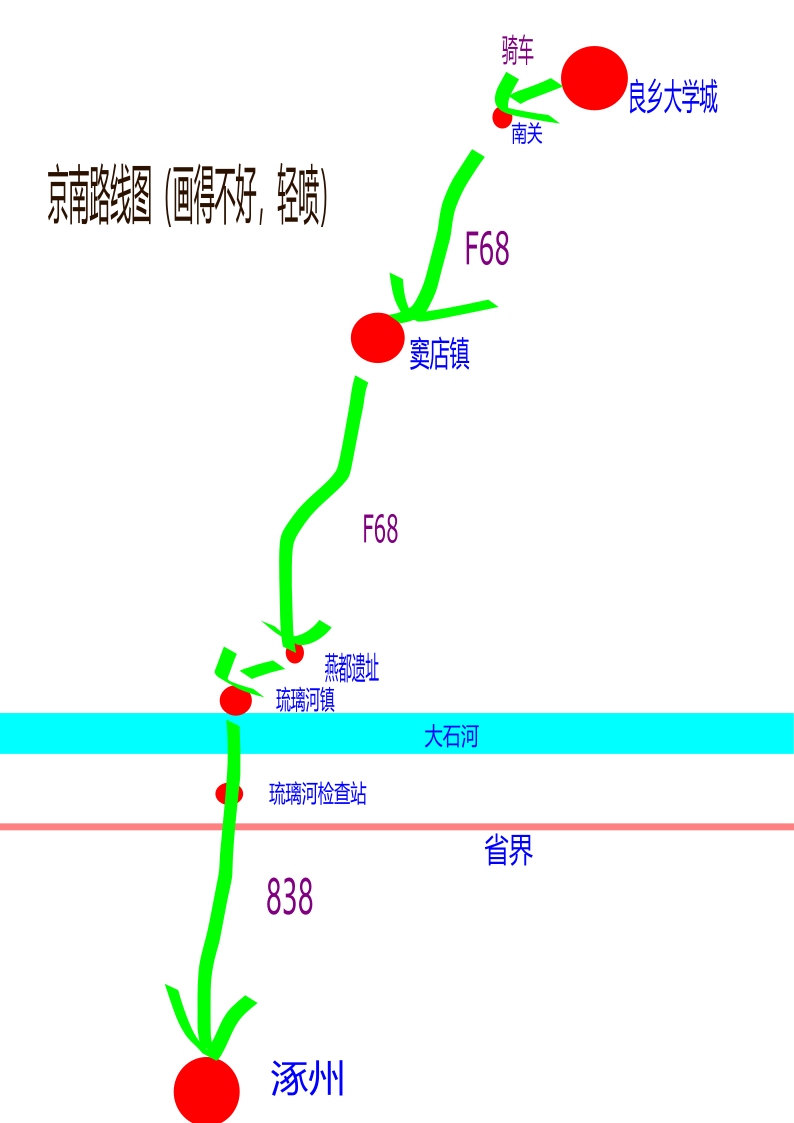
Zhuozhou is a county-level city administered by Baoding, yet it is only a little over 30 kilometers from Liangxiang in Fangshan, over 60 kilometers from central Beijing, and nearly 100 kilometers from central Baoding. Bus 838 runs directly from Zhuozhou Bus Station to Liuliqiao South on Beijing's western Third Ring Road. The full journey takes 1.5 hours and costs 14 yuan. In terms of distance, traveling from Zhuozhou to central Beijing is almost no different from traveling there from Daxing Airport.
The same closeness existed historically. In the Han dynasty, for example, Zhuo Commandery was roughly centered on today's Zhuozhou, while Guangyang Commandery lay around modern Beijing. They were neighboring commanderies in Youzhou, and Liangxiang then belonged to Zhuo Commandery. Clearly, the two places are closely connected culturally, historically, and geographically.
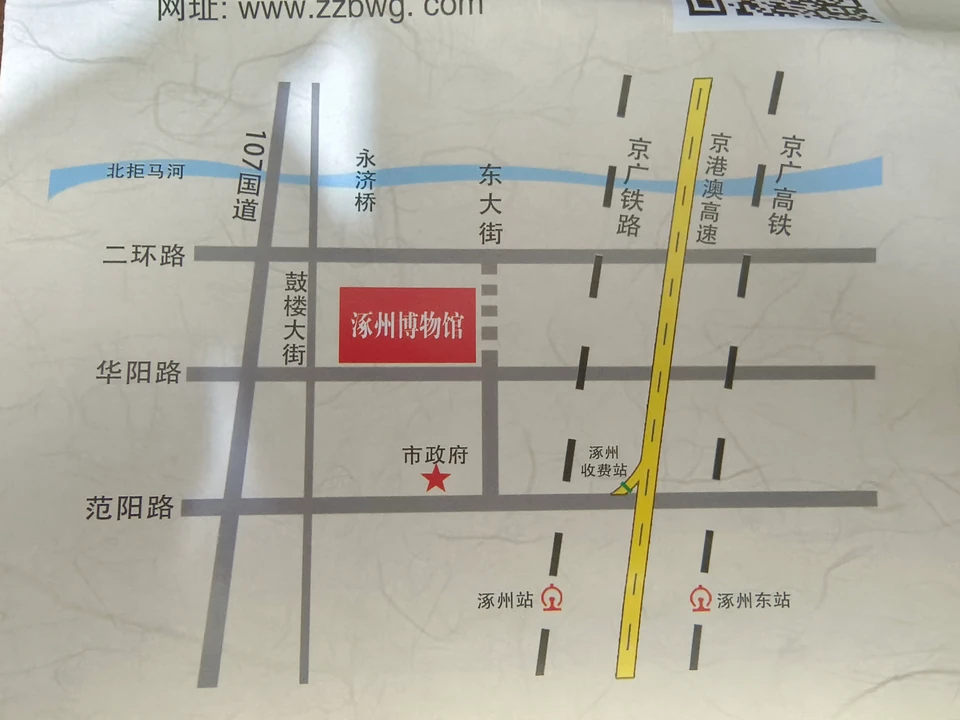
When Brother Ma and I reached Liulihe, we opened the map and found that Zhuozhou was actually closer than Liangxiang. We therefore decided on the spot to visit Zhuozhou.
We went to three places: Zhuozhou Museum, the northern pagoda at Yunju Temple, and Gulou Street.
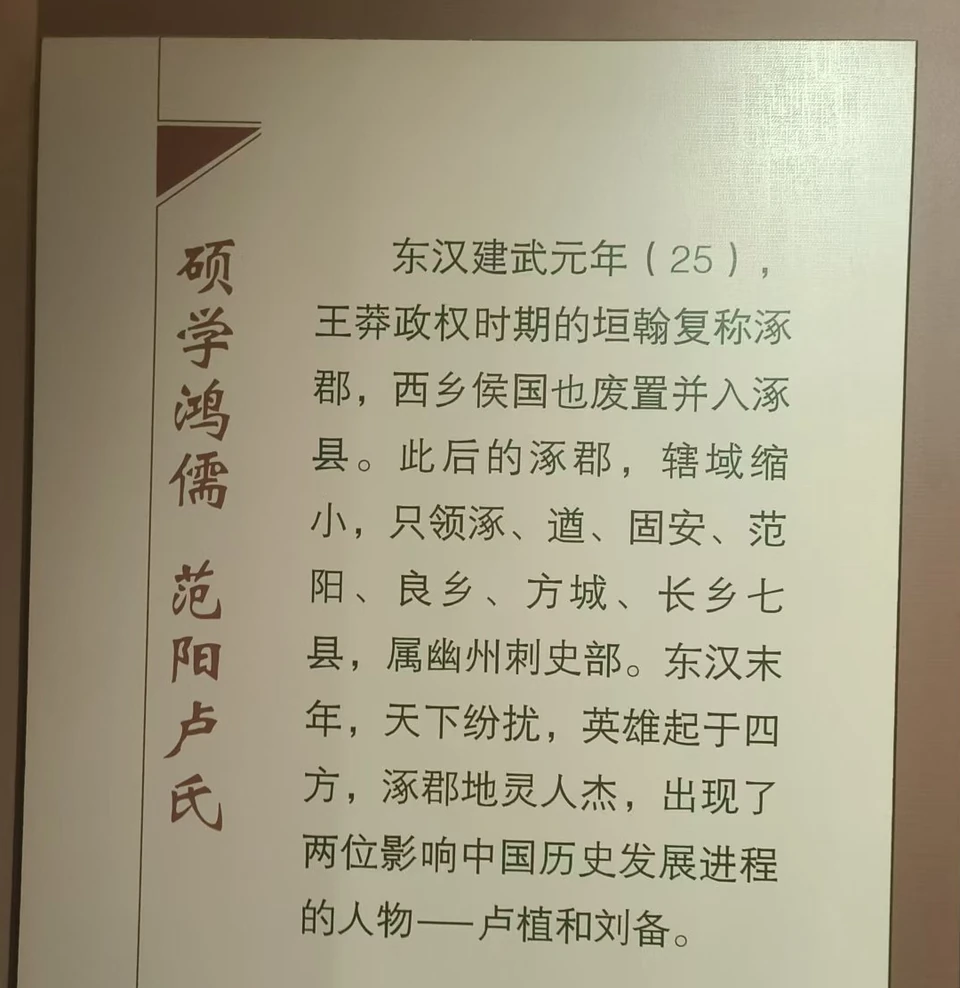
Zhuozhou Museum quickly introduced us to the city. We could see that Zhuozhou has produced outstanding people since ancient times and has a glorious history. For example, its natives include Liu Bei, Emperor Zhaolie of Han; Zhang Fei, Marquis Huan of Han; Lu Zhi, a distinguished Eastern Han official; Li Daoyuan, author of Commentary on the Water Classic; Lu Zhaolin, one of the Four Paragons of the Early Tang; the Tang poet Jia Dao; the eminent Tang monk Huineng; Zhao Kuangyin, founding emperor of Song; and the contemporary writer Shi Tiesheng.
Of course, this is a broad way of speaking. Zhuozhou's history is especially long, as is the use of the character “Zhuo” to designate this land. It is said that Zhuolu, the site of the ancient “Battle of Zhuolu,” was today's Zhuozhou. Under the Han system of commanderies and counties, there was Zhuo County in Zhuo Commandery: both administrative levels bore the name Zhuo. After the Sui and Tang, it was long called Zhuozhou, but the intervening administrative changes were frequent and complex. For instance, during the Wei, Jin, Sui, and Tang, Zhuo County belonged to Fanyang Commandery. Thus “Zhuo” could refer to a large or small area at different times and must be examined in context.
The Lu clan of Fanyang was one of the foremost families in the age of aristocratic lineages. It was among the “Four Surnames of Eminent Houses” during the Northern and Southern Dynasties and the “Seven Surnames and Ten Houses” under the Tang, producing seven chancellors. Imagine a family with someone holding office at the highest level of state almost every year for four hundred consecutive years, and countless other members serving as ministers and regional governors. What a formidable presence.
One point is particularly interesting. The rise of the Lu clan of Fanyang began with Lu Zhi, a master of classical scholarship in the late Eastern Han, a pupil of Ma Rong and fellow student of Zheng Xuan. His great achievements were inseparable from Confucian learning. Yet among his descendants was a Buddhist patriarch.
The eminent Tang monk Huineng, whose secular surname was Lu, was from Fanyang and very likely descended from Lu Zhi. Yet he founded the Southern school of Chan Buddhism. The verse “Bodhi originally has no tree; the bright mirror is no stand. Originally there is not a single thing—where could dust alight?” is his. Huineng holds a high position in Buddhist history. Chairman Mao also greatly admired him and often read the Platform Sutra of the Sixth Patriarch. Historical records state:
Mao Zedong also discussed the place of Huineng's teachings in Buddhist history. He said that Huineng held that everyone possessed Buddha-nature and originated the doctrine of sudden enlightenment, thereby simplifying a complicated Buddhism and Sinicizing the Buddhism introduced from India. He was therefore regarded as Chan's true founder and the true founding patriarch of Chinese Buddhism. Under his influence, Indian Buddhism's supreme position in China was shaken, and it even became possible to “shout at the patriarchs and curse the Buddha.” —Excerpt from Lin Ke, “Fragments of the Years at Mao Zedong's Side,” in Remembering Mao Zedong
I do not know much about Buddhist scriptures, but I feel there are differences among them. There are scriptures for the upper classes and scriptures for working people. The Tang Sixth Patriarch's Dharma Treasure Platform Sutra—that is, the Platform Sutra of the Sixth Patriarch—belongs to the working people. —Excerpt from Mao Zedong's conversation with Tibet's Master banchan on October 22, 1959
In sum, Zhuozhou's history is so deep that following its many threads could fill days and nights of conversation. I have selected only a few representative fragments here, hoping to help readers remember the city.
V. What We Saw in Zhuozhou
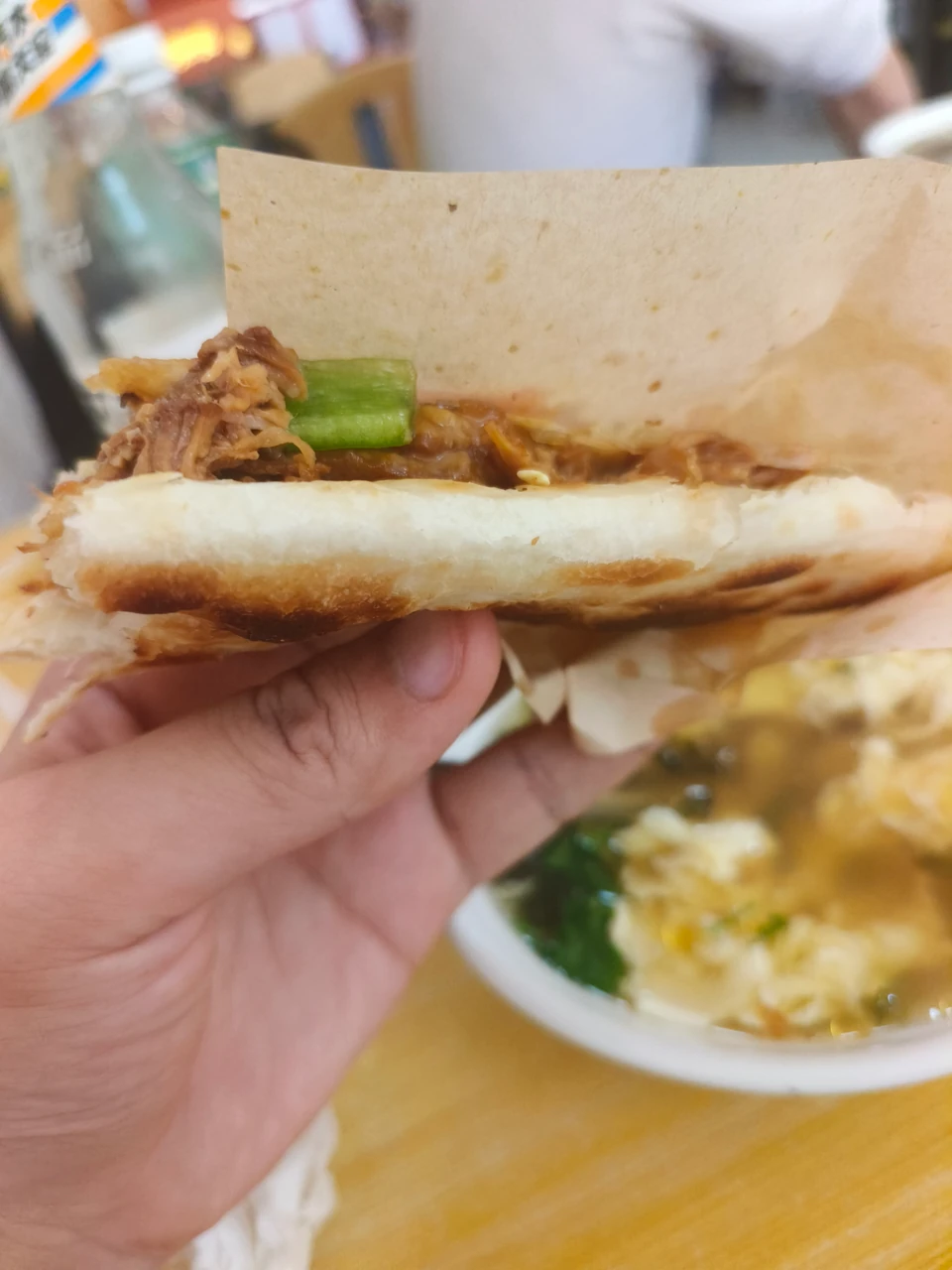
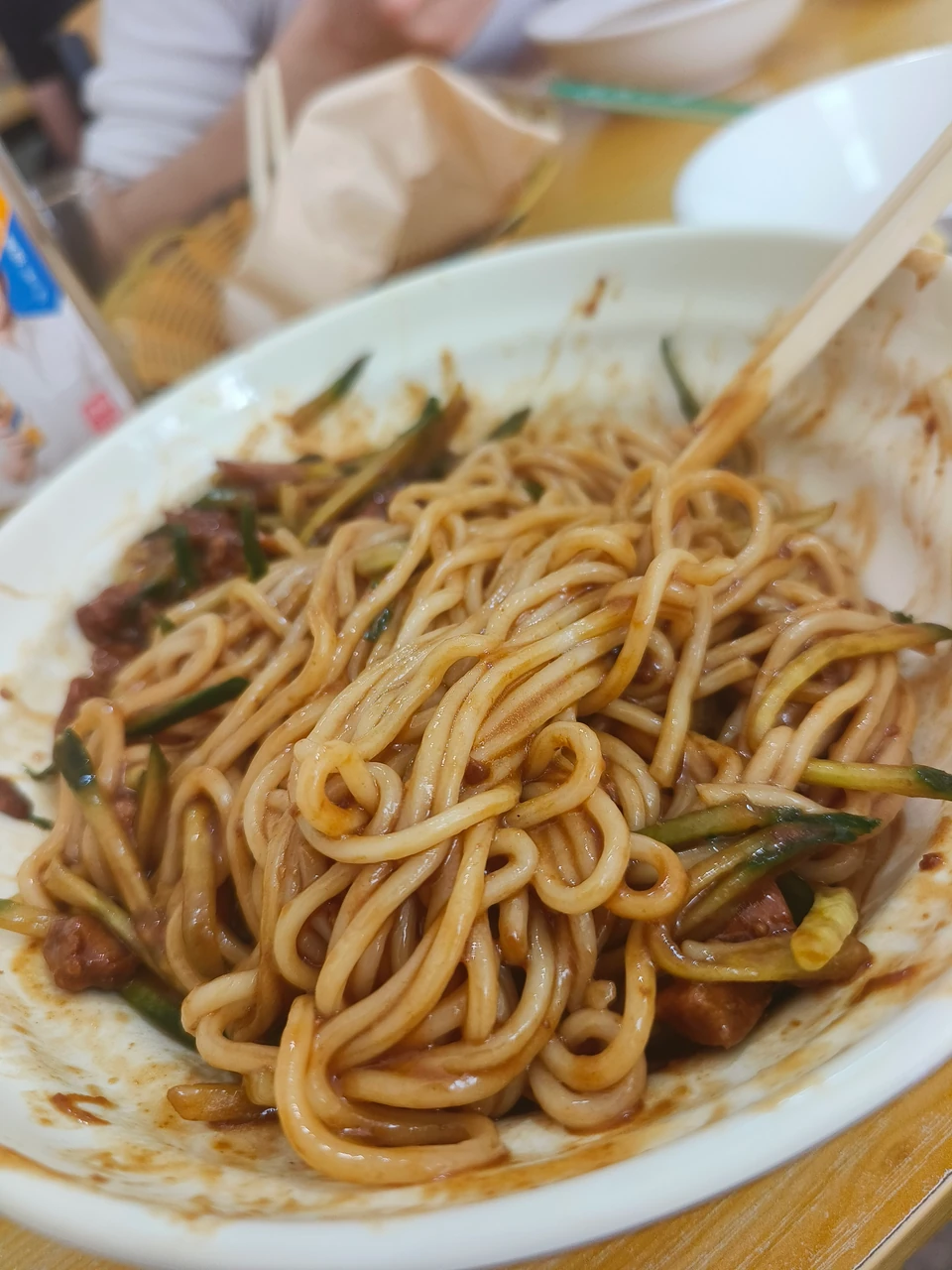
On arriving, Brother Ma and I found a local restaurant. We each ordered a braised-meat huoshao, a bowl of seaweed and egg soup, and a bowl of noodles with fried bean sauce. Clearly, the local cuisine favors wheat-based foods and salty flavors. I was not accustomed to it. Hungry, I enjoyed the stuffed flatbread, but when I moved on to the noodles, I had little appetite left.
While we ate, two handsome men struck up a conversation. They worked in private tutoring. According to them, local wages in Zhuozhou are around 4,000 yuan, but teachers at their company can earn over 7,000. Running a tutoring business in a city like Zhuozhou seems a sensible choice. I had long heard that tutoring makes money in the four provinces of Shandong, Shanxi, Henan, and Hebei, where educational resources are poor but parents are willing to spend heavily on supplementary classes.
We then went to the museum. It is well designed: two buildings linked by a long corridor, with a single exhibition route from entrance to exit. Its six sections are “General Introduction,” “The Long Song of the Zhuo River,” “Stone Art and Spiritual Resonance,” “The Colors of Pottery,” “The Legacy of Fanyang,” and “Years of Struggle.” It is difficult to get lost.
What impressed me most was the “Legacy of Fanyang” section. In its introduction to Hengqi tunes and other local performing arts, there was a couplet:
Performing joys and sorrows, partings and reunions—does the present lack the stories of the past?
Watching praise and blame rise and fall—among the audience are often people from the play.
Wonderful indeed.
After the museum, Brother Ma and I headed north to see the twin Liao-dynasty pagodas. The northern one is Yunju Temple Pagoda; the southern one is Zhidu Temple Pagoda. Knowing little about Buddhism or architecture, we only made a token visit to the northern one.
The northern pagoda site's half-price ticket cost 7.5 yuan. It was Sunday, and many primary-school children were playing inside. But they were not simply playing: teachers led them, and many parents were nearby, so it looked like a school-organized study trip. Some children carried sheets of paper to fill in.
Because I am rather handsome, several boys soon surrounded me to conduct an interview.
“Where have you come from?”
“Liangxiang, Beijing.”
“Why did you come here?”
“Mainly to experience Zhuozhou's long history and culture.”
I quickly got into the role, ready for more questions. I even planned a speech after the interview, ending by encouraging them to set lofty goals and study hard... Unexpectedly, their “task completed,” they simply said goodbye and scattered, leaving me alone before the pagoda, disheveled in the wind.
Yunju Temple Pagoda has six stories and is 56 meters tall. Built chiefly of gray brick and carved stone, its gray-yellow tones are simple and elegant, and it is quite magnificent. Visitors cannot approach closely, however, so we could only admire it from a distance before leaving.
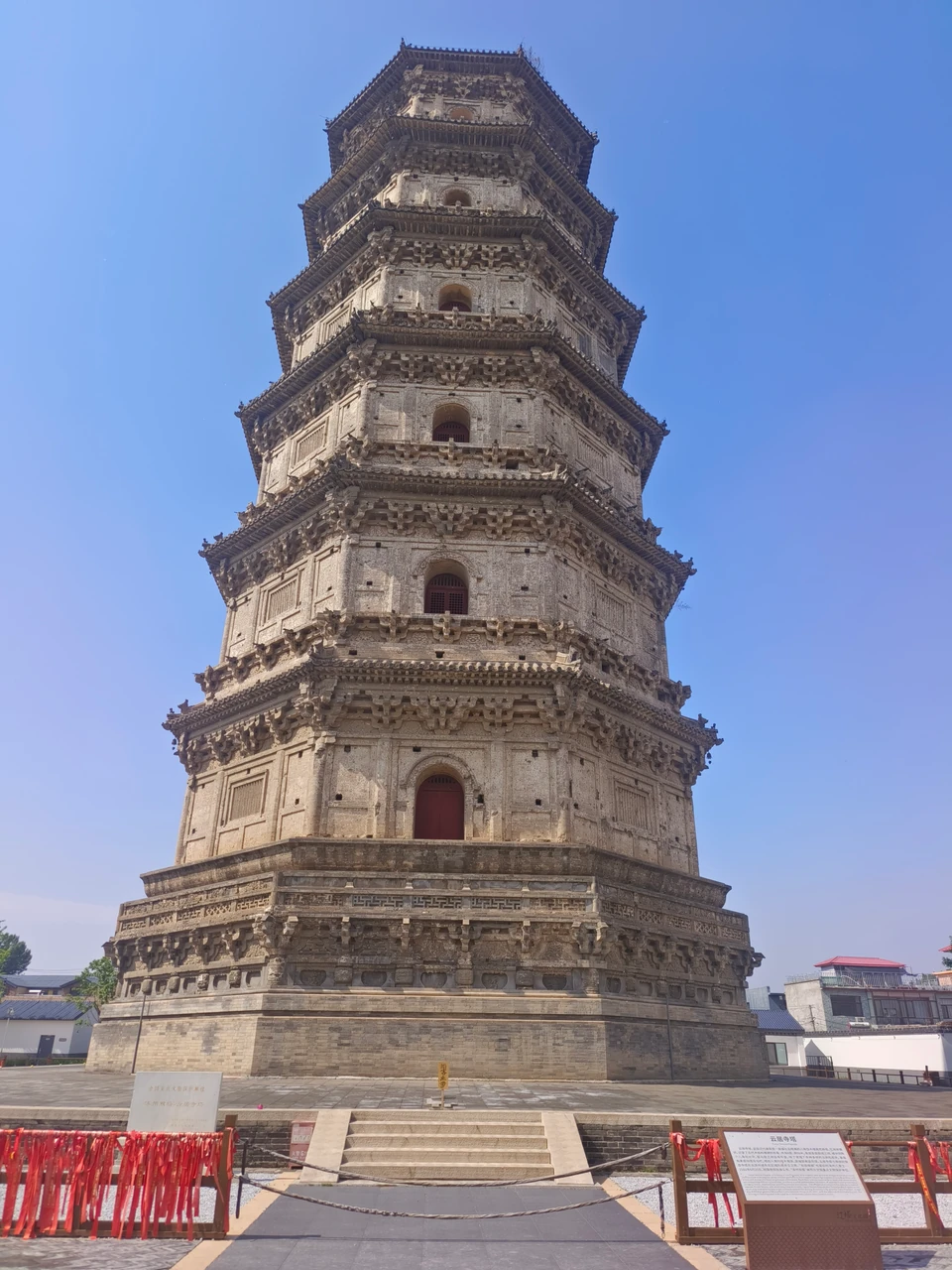
The neighborhood around the twin pagodas is full of apartment buildings and small shops, with a strong sense of everyday life. The residential buildings and pagodas differ sharply in architectural style. The view has an almost epic quality, making one feel the changes of history.
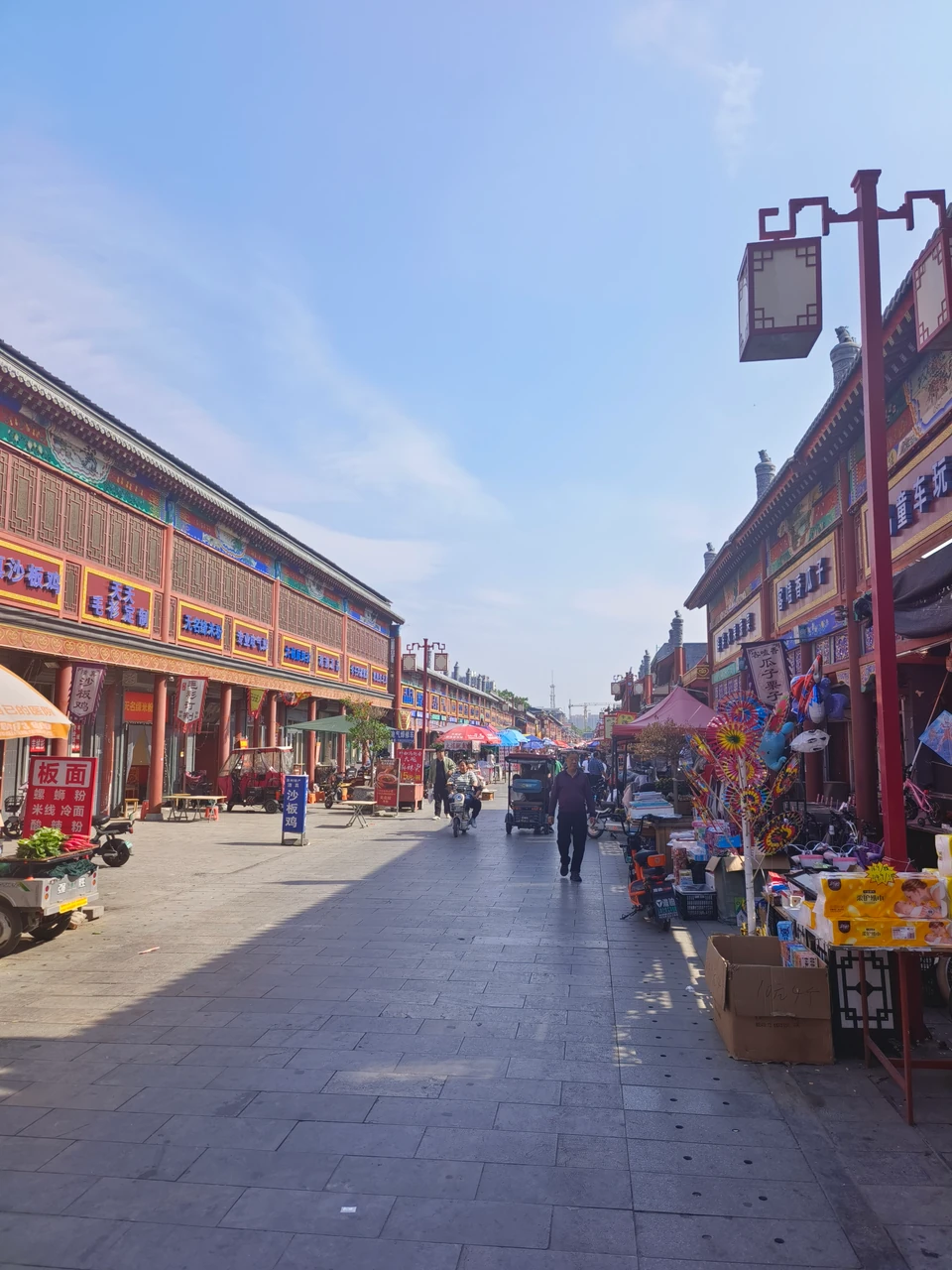
Gulou Street, meanwhile, is a purely commercial street with inexpensive goods, apparently serving nearby residents rather than tourists. Its facades have simply been uniformly redecorated in an old-fashioned style. It is bustling: running north to south, nearly a kilometer of stalls is packed with people and an endless flow of electric scooters. At times it really feels as though “wheel hubs knock together and people's shoulders rub.”
Zhuozhou also has Yongji Bridge, Sanyi Temple, the Qianlong Temporary Palace, Wang Luobin's former residence, and other attractions. As it was getting late, however, we took the bus directly back to Fangshan without visiting further.
Comments
No account needed. A nickname is required; email is optional. Successful submissions appear publicly without manual pre-moderation.
Comments and nicknames are public. Optional email addresses are not displayed. The selected Waline backend and its hosting provider process comments, nicknames, optional email, IP and browser information. Comments show IP region, without the full IP address or browser and operating system labels. Hosting: Vercel; database: Neon.