For a single guy like me, May 20—“520,” a day associated with romance—means having no one to spend it with. This year, however, it happened to coincide with the reopening of Beijing's Dabaotai Site Museum, so I decided to visit.
I had passed Dabaotai subway station countless times on the Fangshan Line without giving it much thought, and had never got off there. Later I heard there was a Han tomb at Dabaotai, but still paid little attention. Beijing has so many famous historical sites that a single Han tomb could hardly rank highly. Only after recently reading Three Thousand Years of Beijing: The History of Beijing's Founding Through Archaeological Discoveries did I understand the Dabaotai tombs' significance and begin thinking of visiting the site to reflect on the past.
Put simply, the occupants of the Dabaotai Han tombs were most likely Liu Jian, king of Guangyang in the late Western Han, and his queen. As I understand it, the tombs have three main kinds of value:
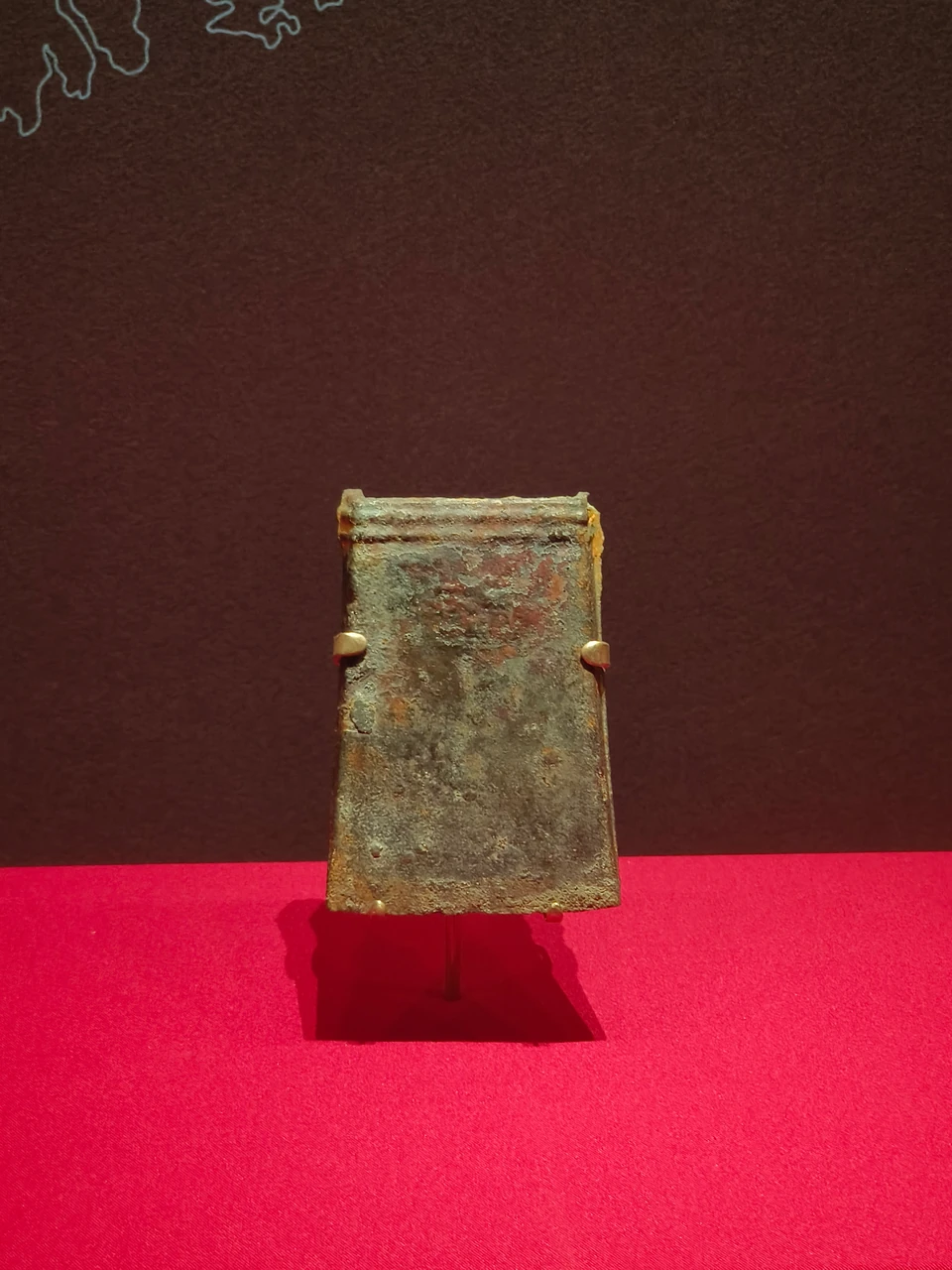
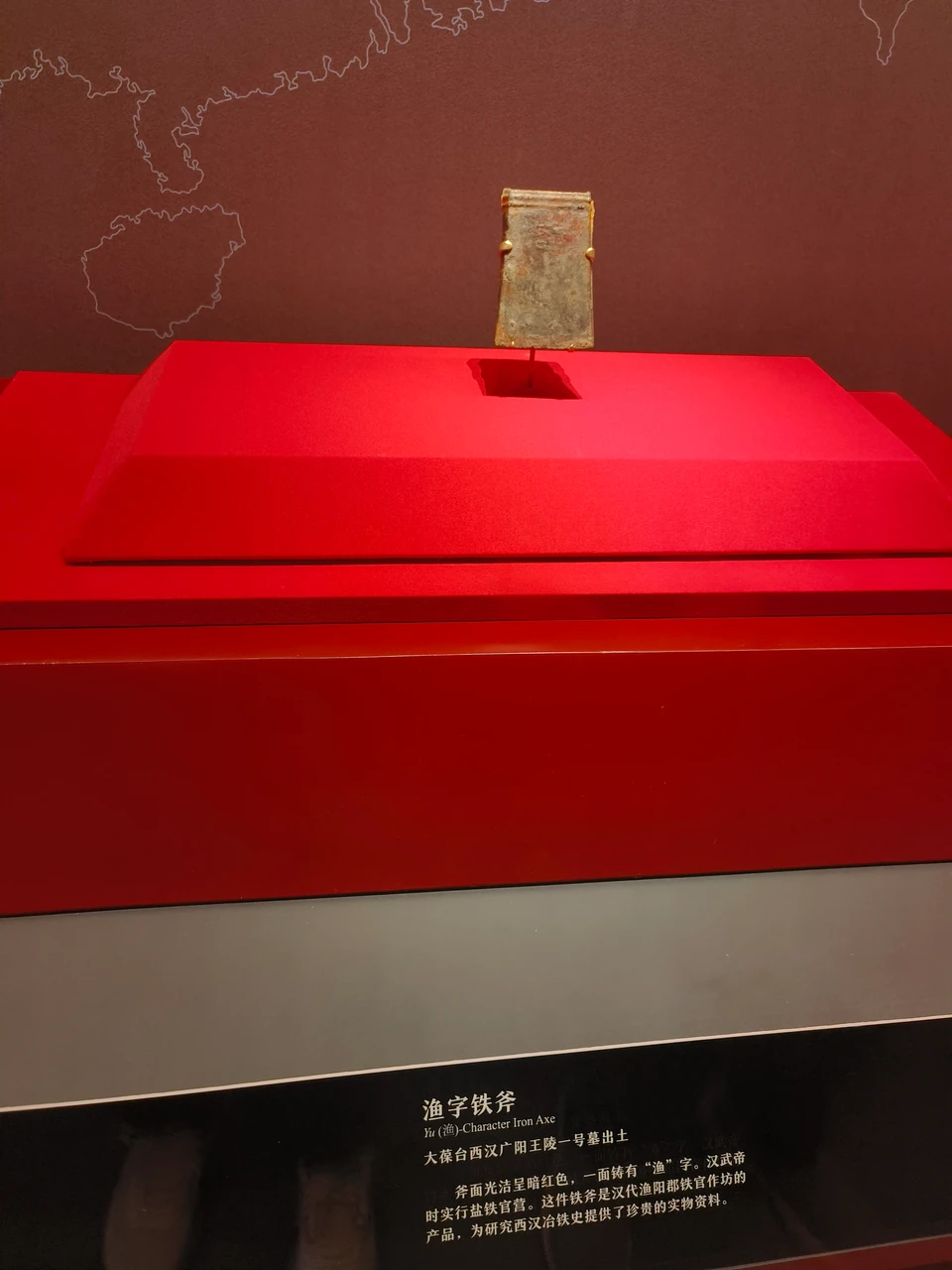
1. More than 1,000 Han bronze, pottery, iron, jade, lacquer, and silk objects were unearthed. An iron axe cast with the character “Yu” corroborates the Han policy of “state monopolies on salt and iron.”
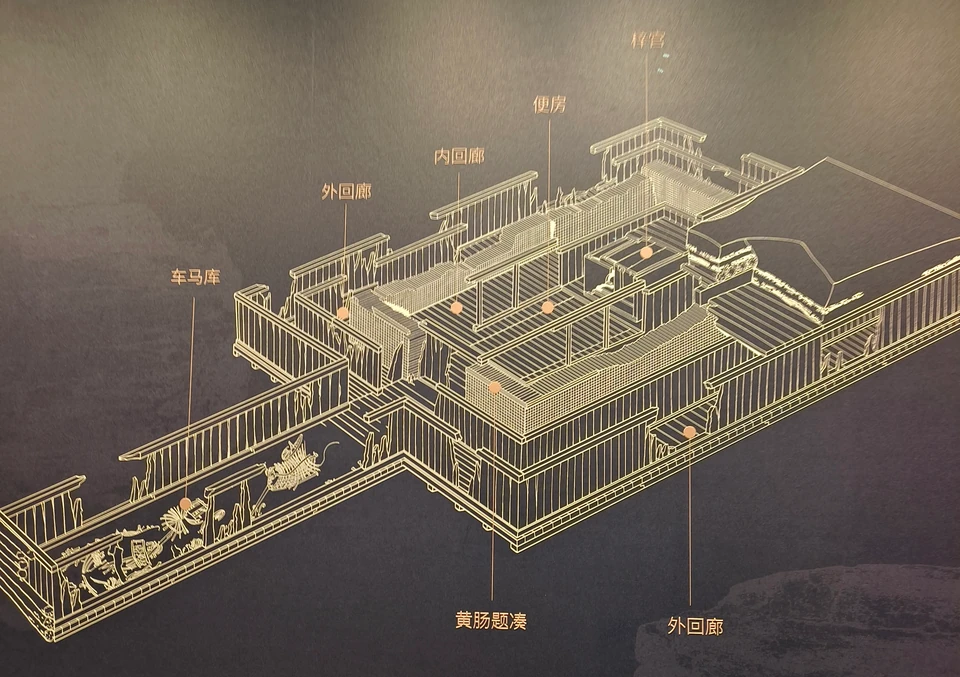
2. They reveal the complete layout of a vassal king's burial: two outer coffins and three inner coffins, inner and outer corridors, an antechamber, a coffin chamber, and a chariot-and-horse chamber.
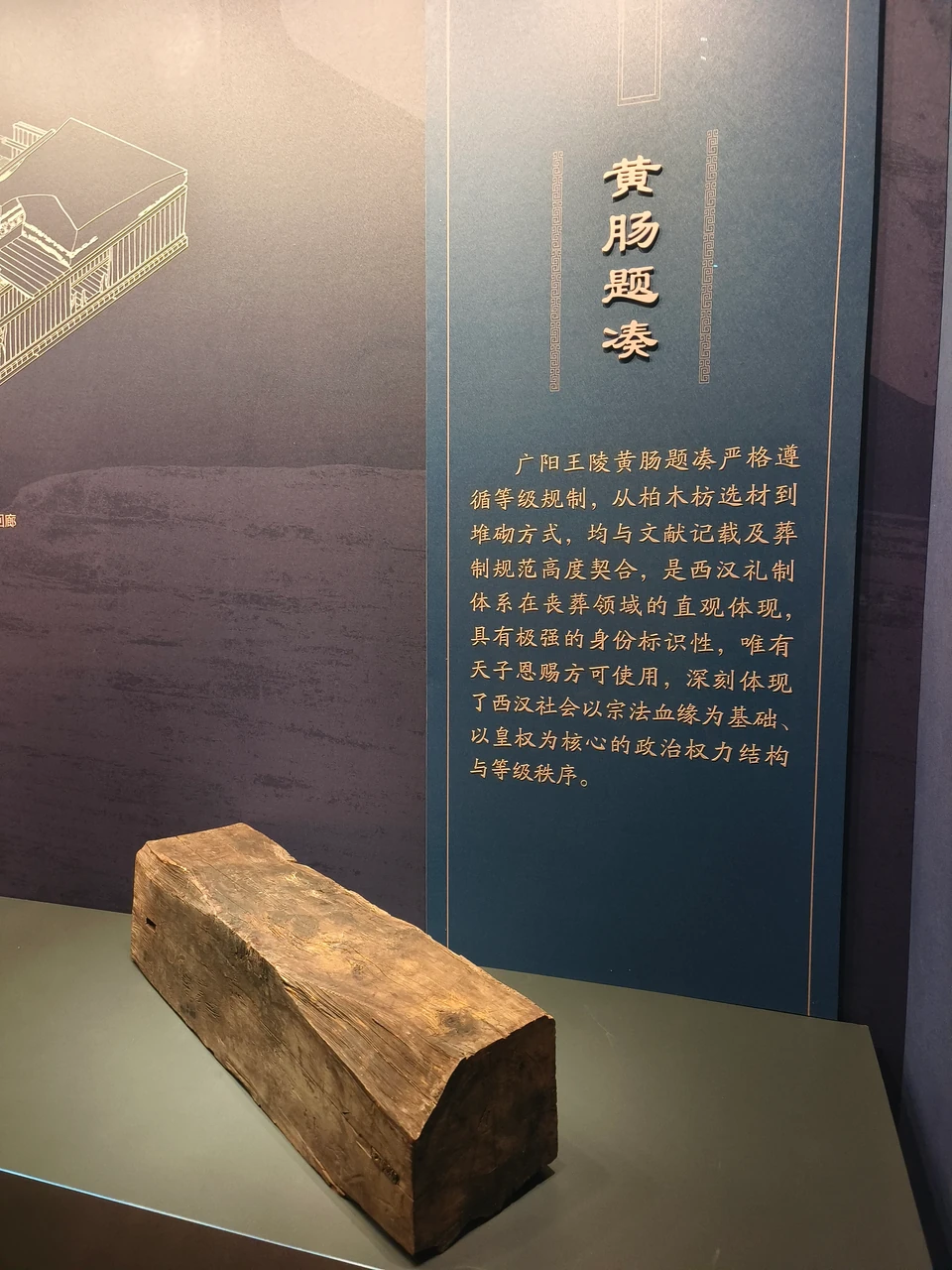
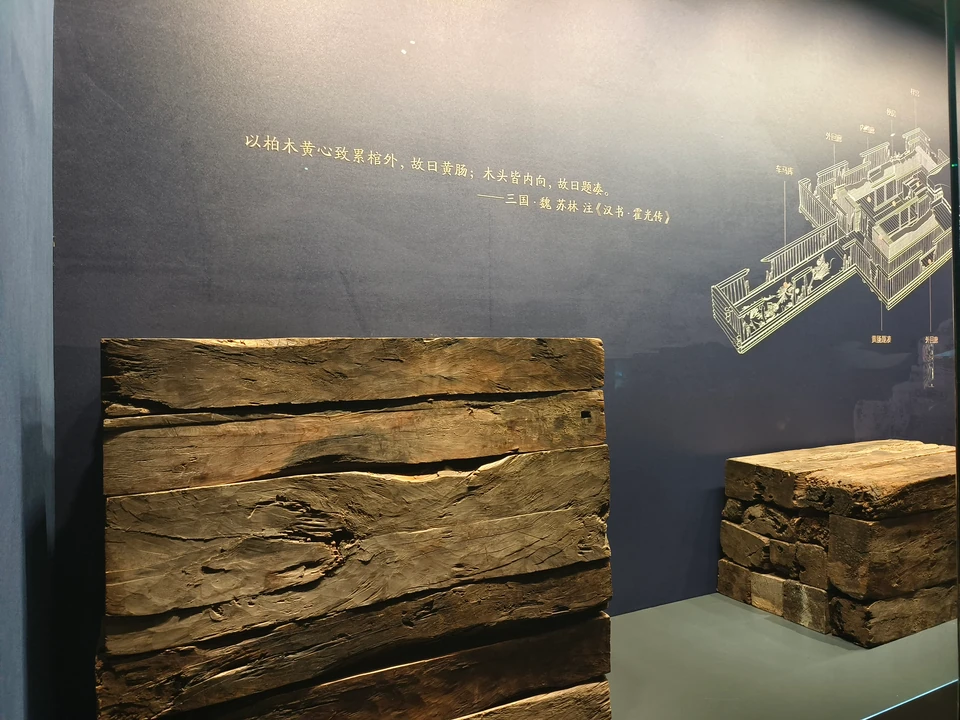
3. They yielded the first excavated example of huangchang ticou. This was a burial arrangement reserved for the Son of Heaven and sometimes bestowed on ministers. The Book of Han, in its biography of Huo Guang, states that after Huo Guang died, Emperor Xuan granted him “one set each of jade discs and pearls for a jade burial suit, a coffin, an antechamber, and huangchang ticou.” Su Lin of the Three Kingdoms state of Wei explained: “Yellow-hearted cypress timbers are stacked outside the coffin, hence ‘yellow intestines’; the ends of the timbers all face inward, hence ‘ends gathered together.’”
Huangchang ticou almost ceased to be used after the Han. People in the Three Kingdoms period might still have seen it and been able to annotate it, but later generations no longer had. Only with the excavation of the Dabaotai Han tombs did it come to light again.
II
Better to arrive by a lucky coincidence than merely arrive early. The Dabaotai site was discovered in June 1974; its museum opened in 1983 and closed in 2012. After more than ten years of “upgrading and renovation,” it finally reopened on May 20, 2025. At noon that day, I came across the reopening news while scrolling through videos and immediately set off, visiting on its first day back.
Dabaotai is remote, and Tuesday is a busy working day, yet the museum was bustling, with people coming and going. It contrasted sharply with the quiet scene at the Liulihe Yan capital site I had visited a few days earlier. I heard there had been even more people in the morning, with a long queue early on.
The museum has two exhibition halls. Its permanent exhibition is “A Metropolis by Bohai and Jieshi, a Splendid Chapter of You and Yan: The History and Culture of the Western Han Kingdom of Guangyang.” The temporary exhibition is “Han Splendor of the Marquis of Dai: A Special Exhibition on the Art of Living at Mawangdui.”
I visited the temporary exhibition first. Its artifacts come from the Mawangdui Han tombs.
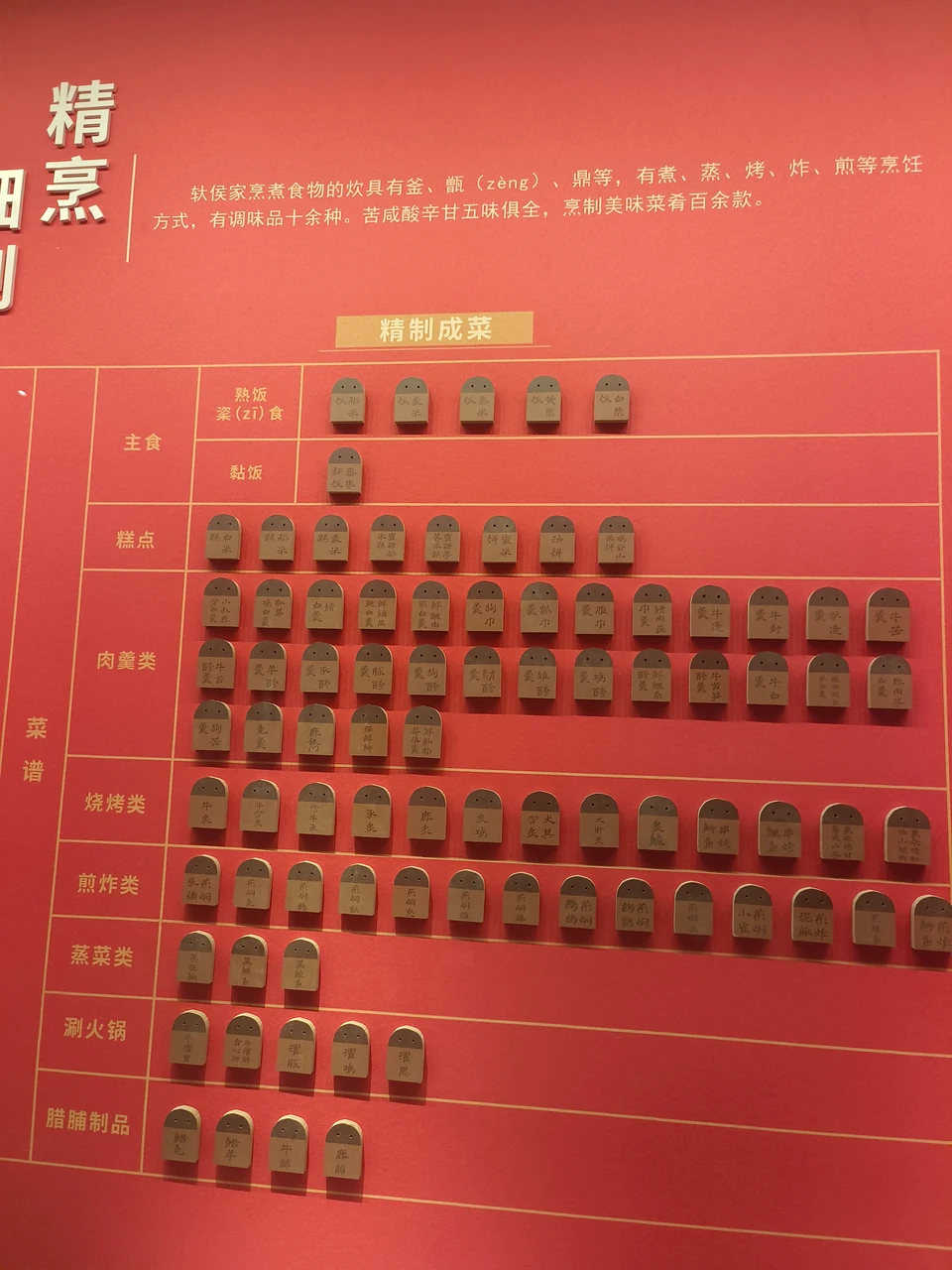
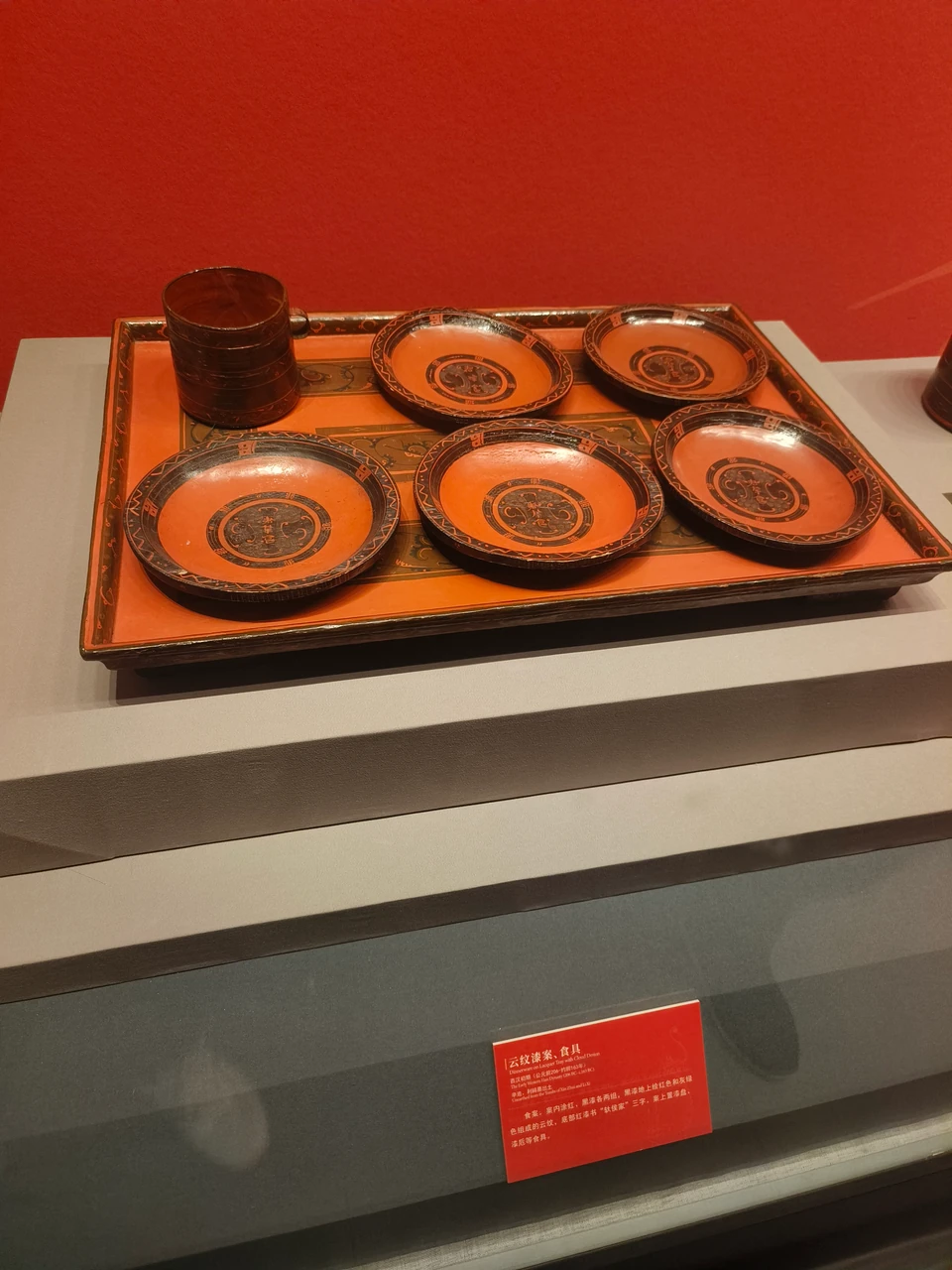
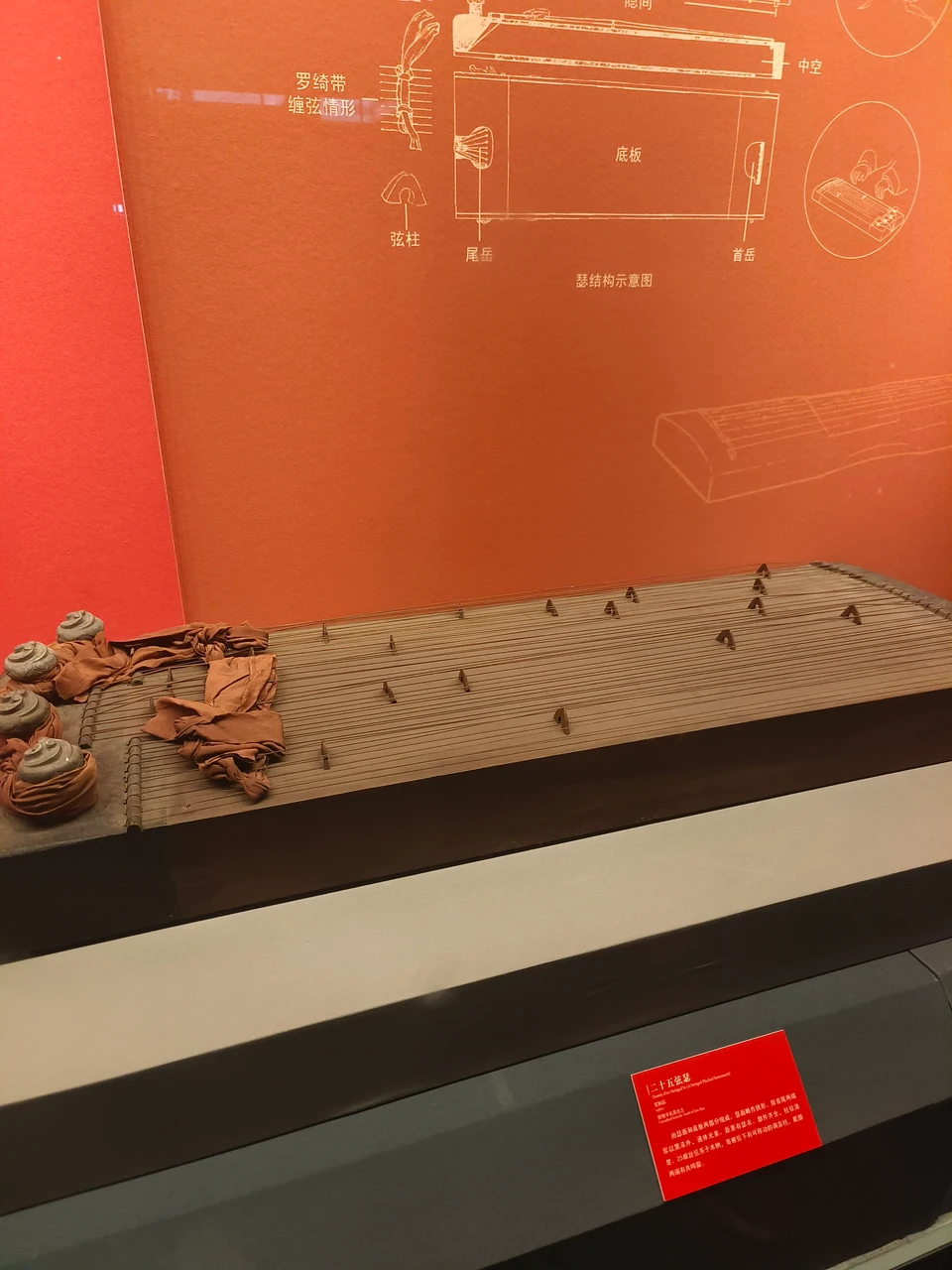
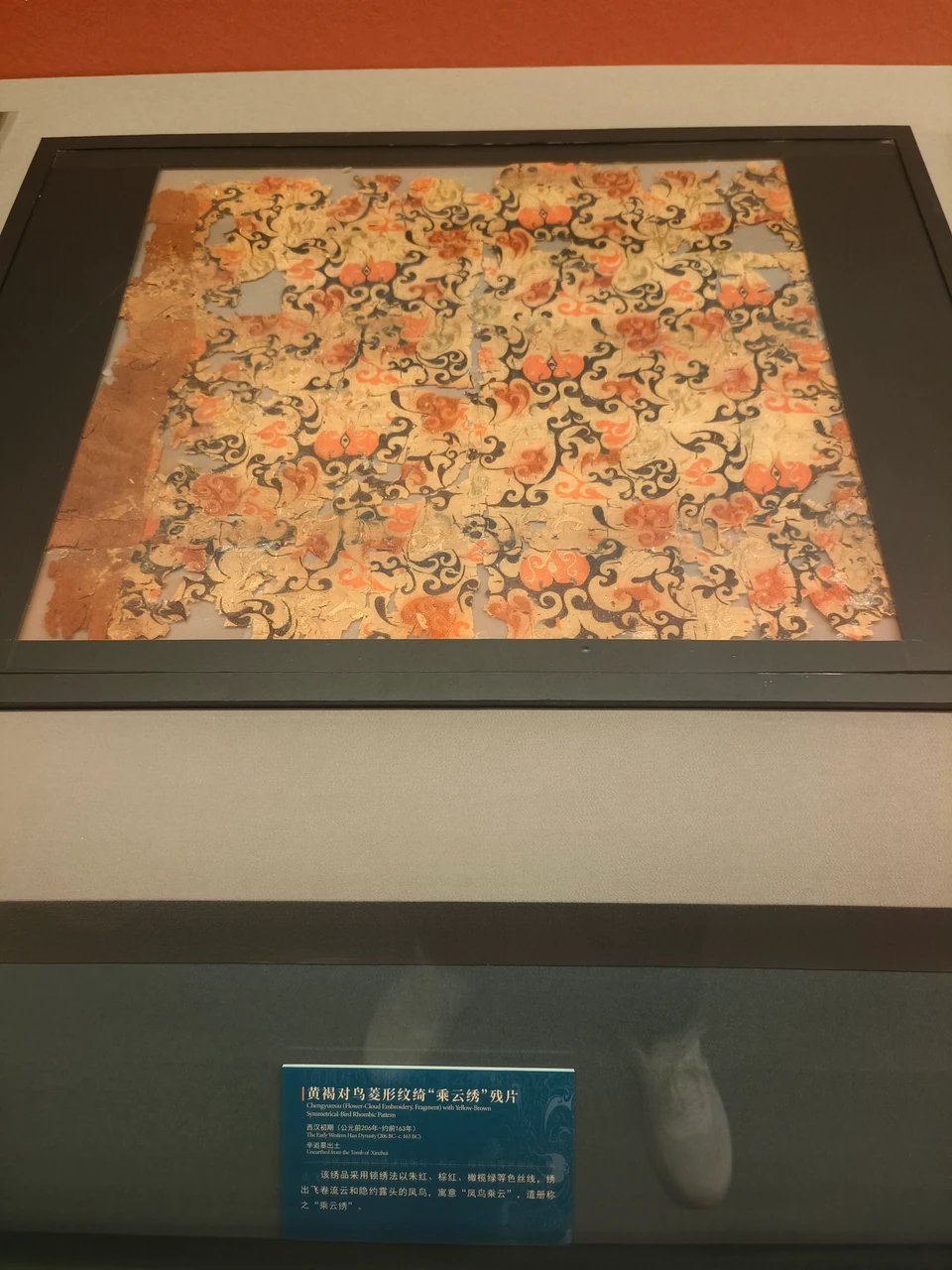
Three people were buried at Mawangdui. Tomb Two belonged to Li Cang, chancellor of the Kingdom of Changsha and Marquis of Dai; Tomb One belonged to his wife Xin Zhui; and Tomb Three to their son Li Xi. This exhibition chiefly presents the family's food, clothing, housing, and transport: what they ate, what utensils they used, what they wore, what fragrances they used, what books they read, and what games they played.
(The Marquis of Dai's family menu)
(The Marquis of Dai's family bowls)
(A twenty-five-string instrument)
(Silk textiles)
(A “naughty book”)
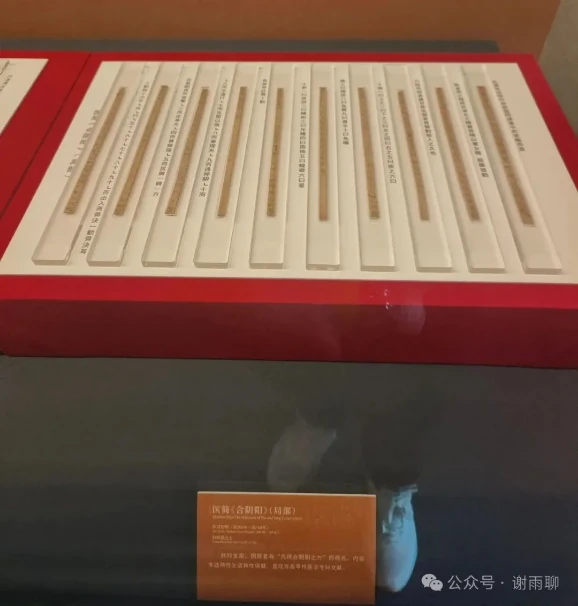
(The reading list)
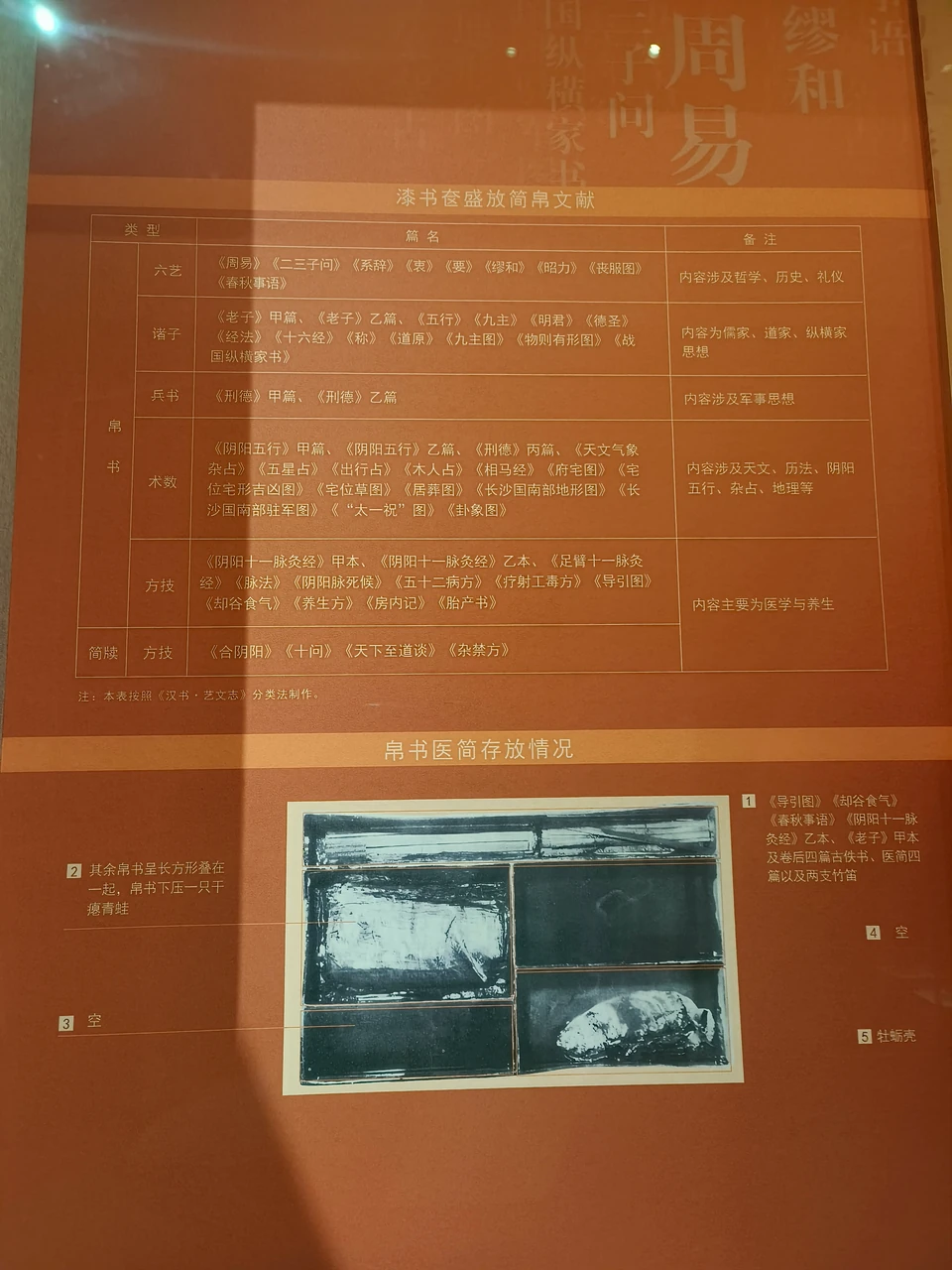
It seems that although productive forces were less developed in ancient times, wealthy households lived with far more refinement and variety than ordinary modern people like us.
I then visited the permanent exhibition, which uses the Dabaotai Han tombs as its center to introduce the history and culture of the Western Han Kingdom of Guangyang.
The Western Han operated a system in which commanderies and kingdoms coexisted, then continually weakened the kingdoms' powers. Take Yan, for example. Originally it contained several commanderies; by the time of Emperor Wu's third son, Liu Dan, the ill-fated King of Yan, it contained only Guangyang Commandery. Before dying, Emperor Wu stripped Liu Dan of another three counties. Later, Emperor Xuan made Liu Dan's eldest son Liu Jian king of Guangyang, removing even the name Yan.
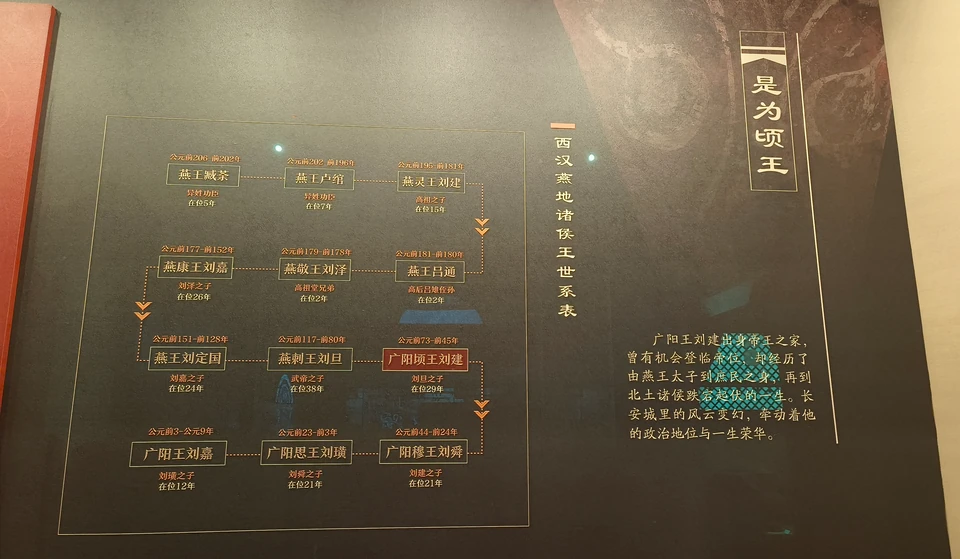
Thus the exhibition contains not only artifacts from the Dabaotai tombs, believed to belong to Liu Jian and his wife, but also artifacts from the Laoshan Han tomb, believed to belong to Liu Dan's queen. Both burial sites can display the splendor of Guangyang.
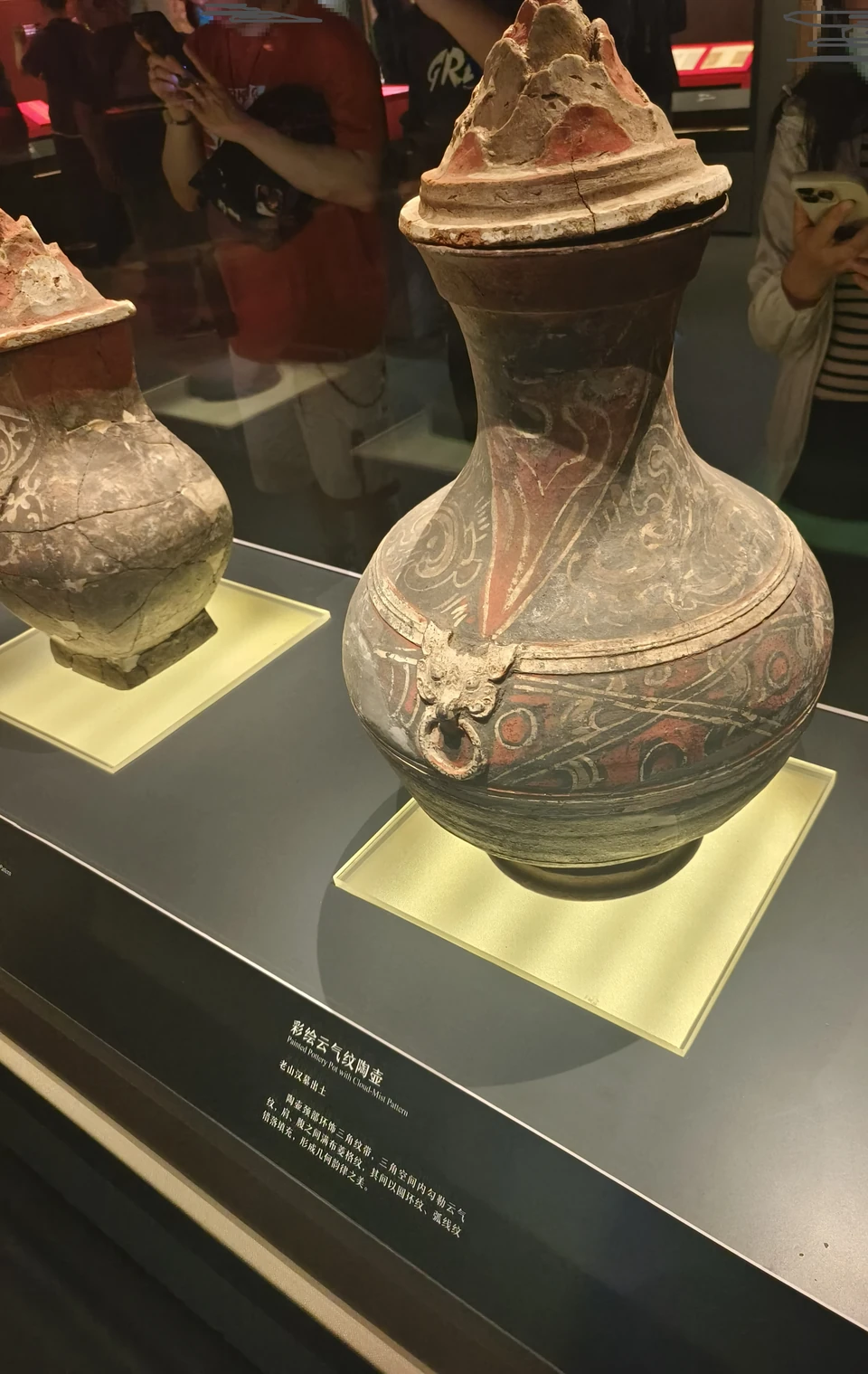
Beyond its rich collection, the museum does an excellent job of public education, helping visitors understand Han history and culture quickly and directly.
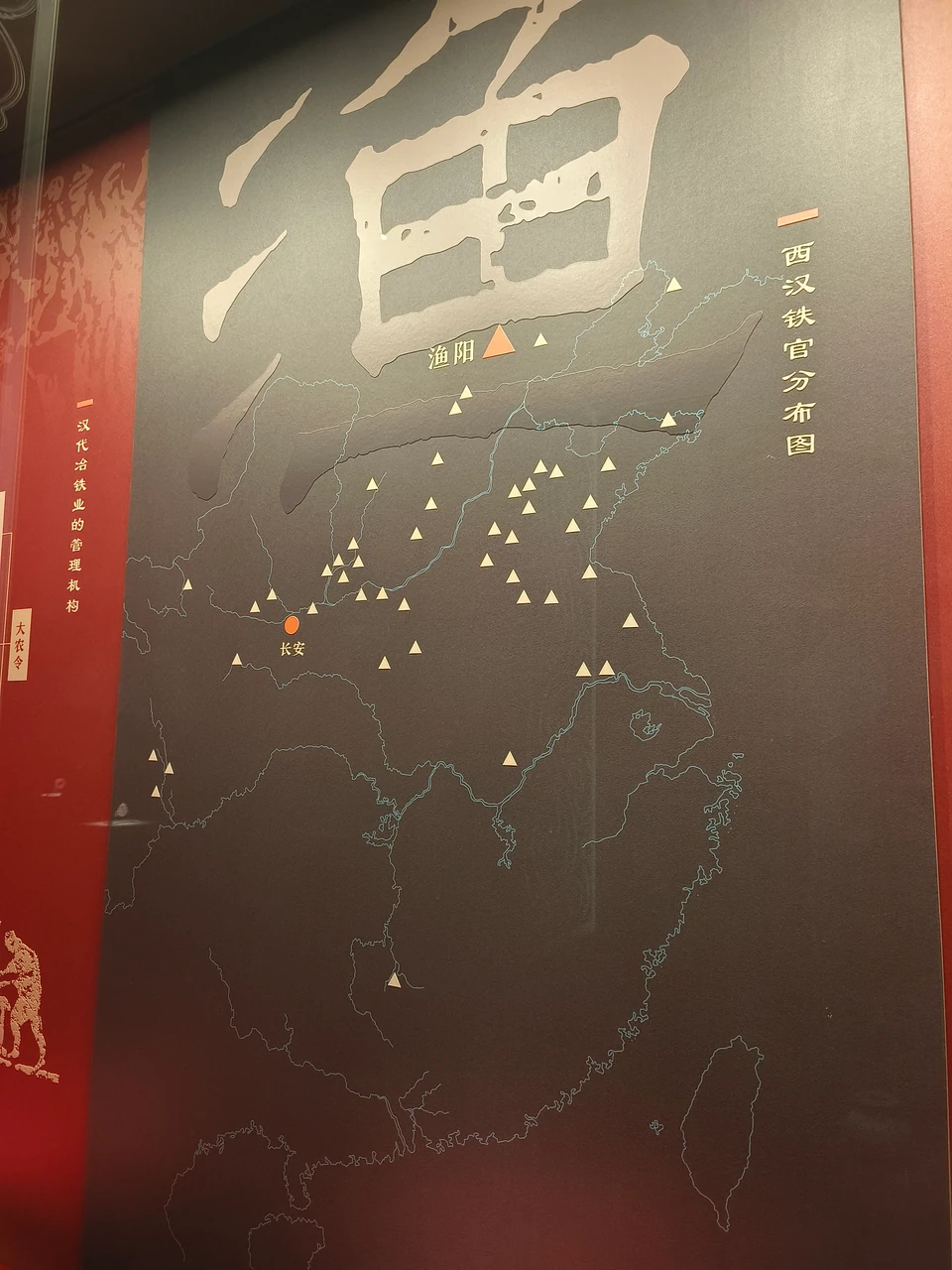
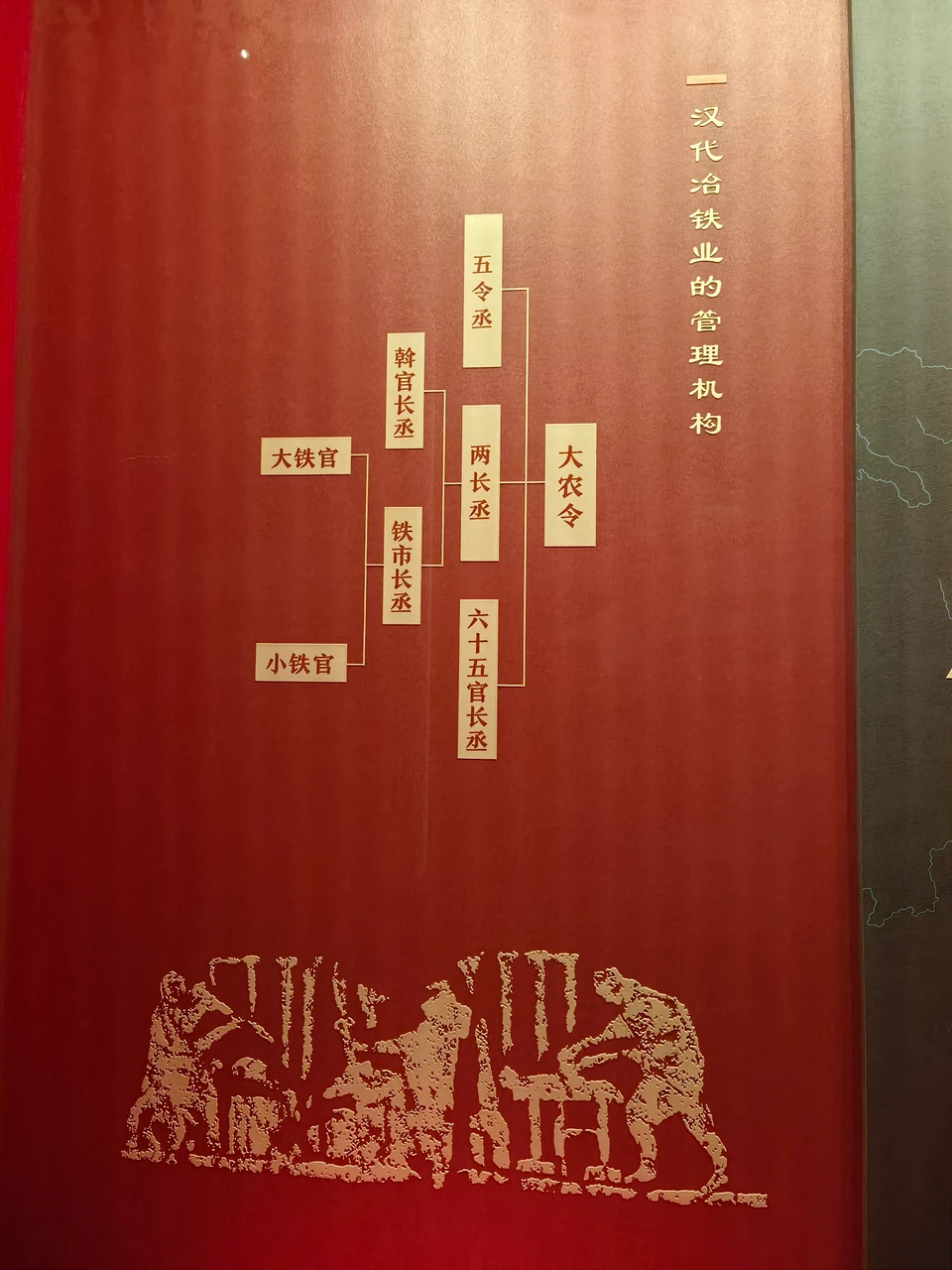
For example, the iron axe marked “Yu” mentioned above sits in a climate-controlled glass case with bright lighting, allowing visitors to see its rust clearly. Below it is a detailed explanation; above it are carefully drawn educational graphics introducing the relevant background: a map of Western Han iron offices and a diagram of the Han iron industry's administrative structure.
Clearly, a museum's work does not end with putting artifacts on display. Many details need consideration; it is a specialized field of study.
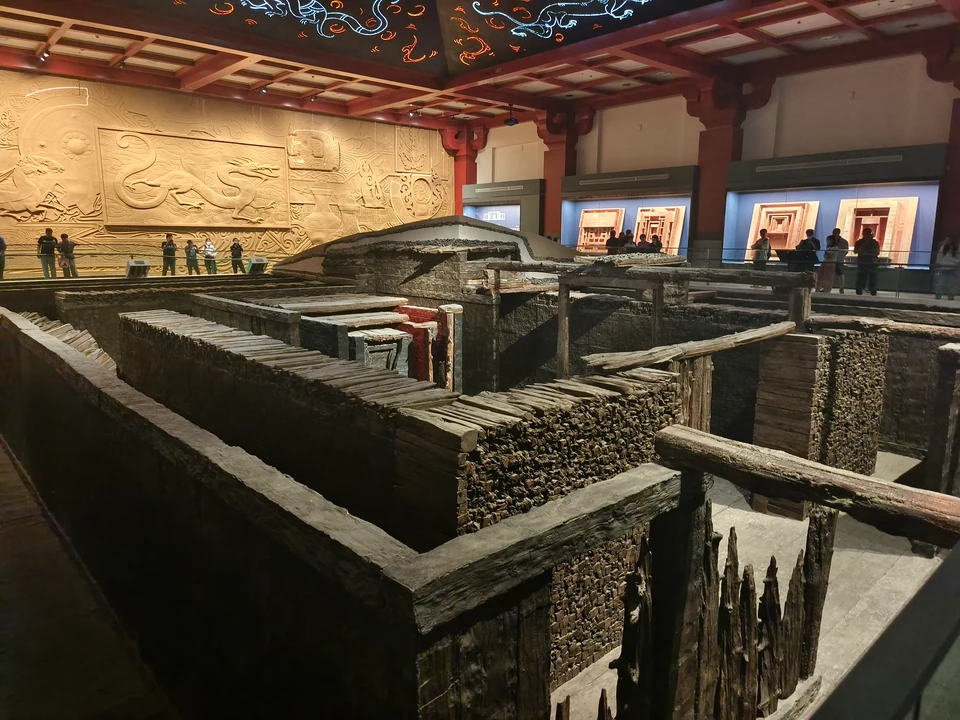
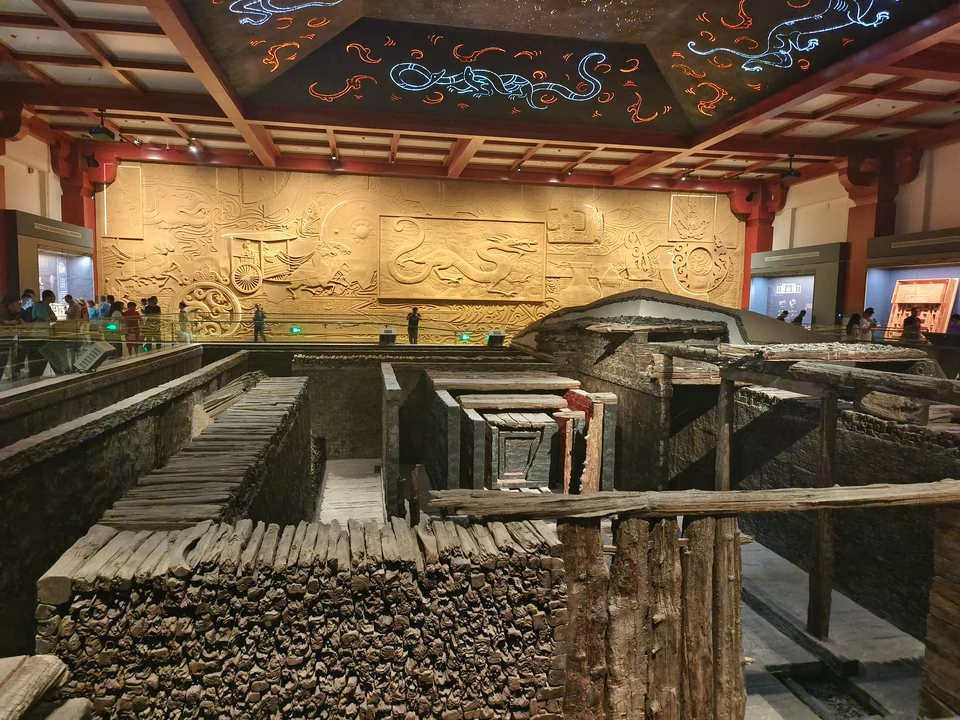
Of course, the Dabaotai Han Tomb Museum was built on the burial site itself, and its most awe-inspiring feature is the tomb pit. It gives us a tangible sense of a Han vassal king's burial scale and funerary culture. In particular, seeing the legendary huangchang ticou—15,000 timbers stacked in orderly rows, with the smell of wood still in the air—inspires real reverence.
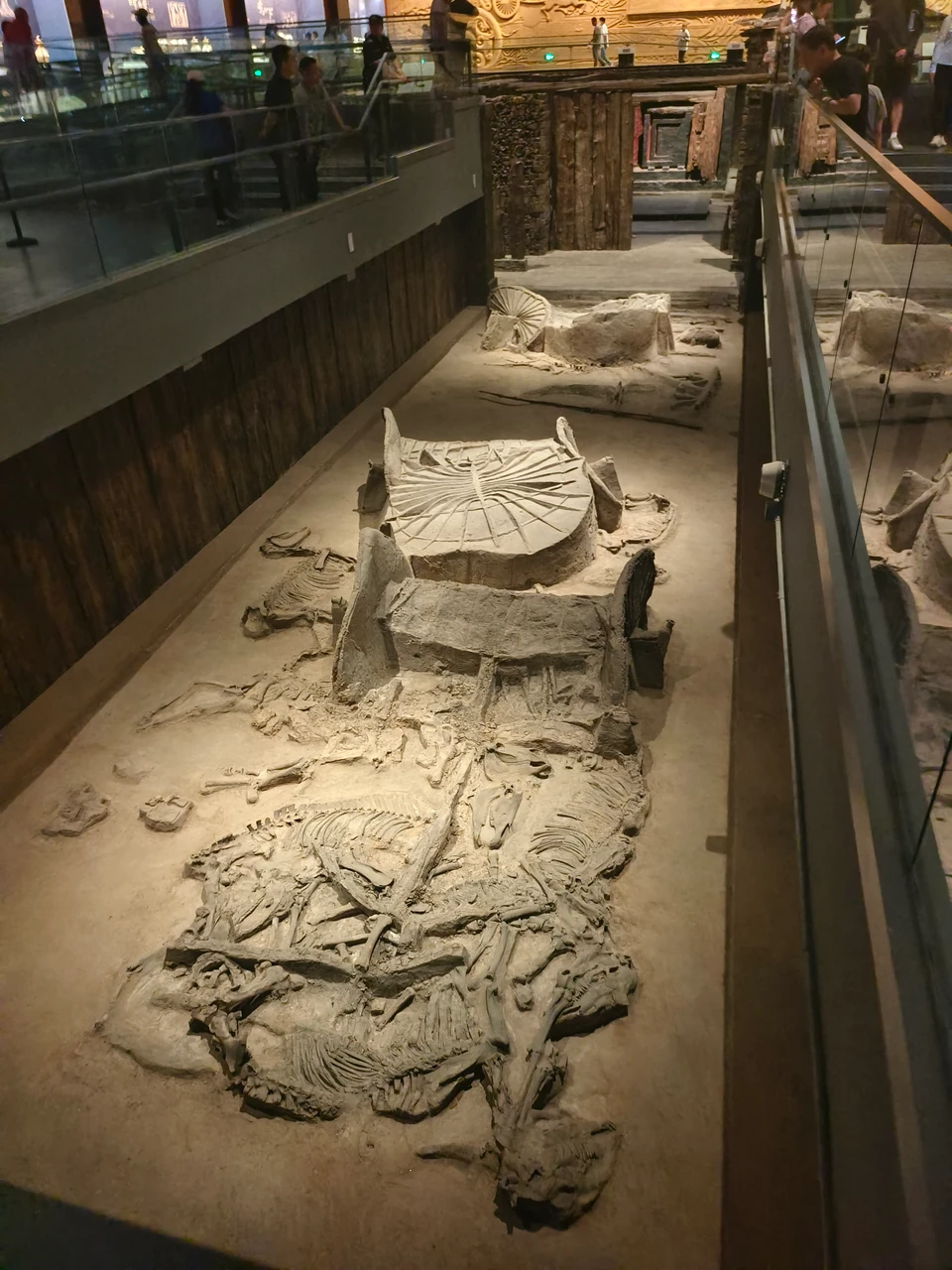
The museum is small and can be visited in just over an hour, but for me it was a very meaningful trip.
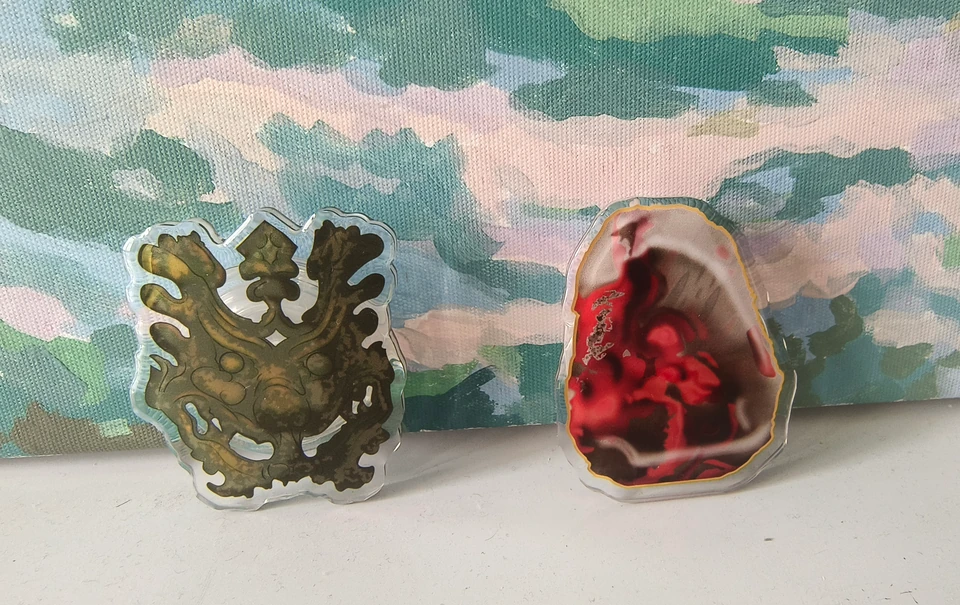
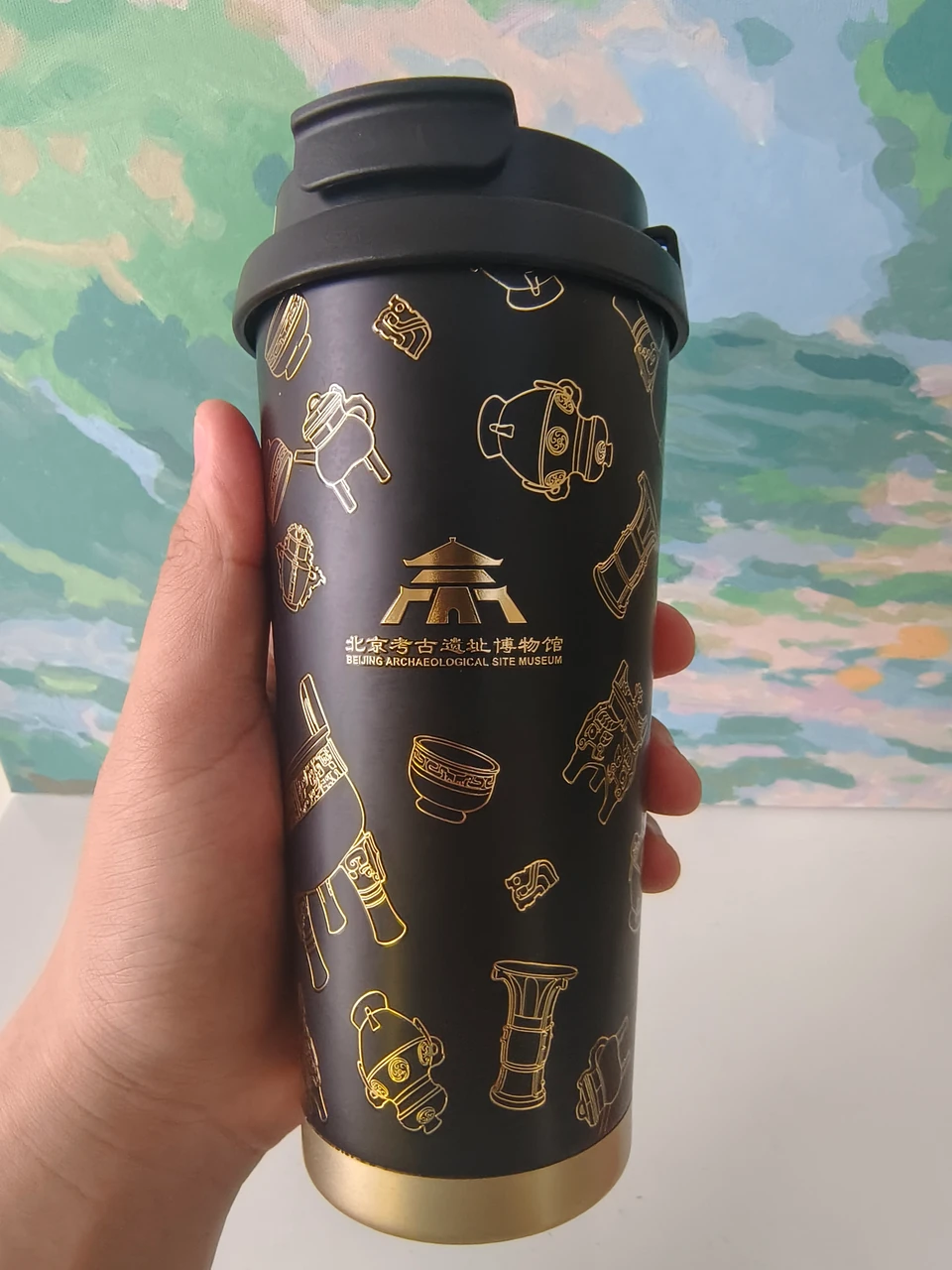
I also bought souvenirs: two phone stands and a coffee mug. Then I left.
III
People in the Western Han were actually very superstitious. They believed in a correspondence between heaven and humanity and in serving the dead as though alive. They therefore devoted great effort to burials, ensuring that everything a person had in life accompanied them into the grave.
Of course, superstition is a tradition. Shang tombs often included living human sacrifices; Han tombs at most used human figurines, which was already civilized enough.
When ordinary people like us die, our cremated remains fill a single box. Han princes and nobles, however, not only ensured that their bodies stayed intact and dressed them in jade suits, but placed them in coffins made of fine timber. Even that was insufficient. In the Guangyang king's tomb, for instance, there were coffins within coffins and outer cases around them: several layers, totaling two outer coffins and three inner coffins. Space was left for an antechamber and a corridor, with 15,000 cypress trunks stacked around them—the huangchang ticou. Beyond that lay another outer corridor, with a chariot-and-horse chamber at the front. Countless pots, bowls, utensils, and objects of bronze, iron, jade, and lacquer accompanied the burial. It was practically an entire palace moved underground. White sealing clay and charcoal covered the tomb to seal it and keep out moisture.
If death really were a new beginning, these princes and nobles would surely enjoy wealth and rank in their next lives too. But we do not know what happens after death. What we do know is that lavish burials attracted many tomb robbers. Both the Laoshan and Dabaotai Han tombs were plundered. When Dabaotai Tomb Two was discovered, half the occupant's bones lay outside the coffin and half inside, with a length of hemp rope still around the neck. At Laoshan, all five layers of coffin and outer cases had been broken, the body dragged to the front of the burial chamber, and its jewelry stripped away.
Nine out of ten Han tombs are empty, something Han people themselves foresaw. Liu Xiang once wrote an essay later called Memorial Against the Construction of Changling, urging Emperor Cheng to stop building Changling and adopt a modest burial. The emperor was then expending vast human and material resources on the mausoleum: “Changling's design was extravagant, and it remained unfinished for a long time.” This prompted Liu Xiang's remonstrance.
In the essay, Liu Xiang offered many examples. Wise rulers and sages such as King Wen of Zhou, King Wu of Zhou, and the Duke of Zhou all received modest burials. By contrast, King Helü of Wu violated ritual propriety with an extravagant burial, and a dozen or so years later the people of Yue dug up his tomb. The five Qin kings Huiwen, Wu, Zhao, and Yanxiang also had lavish burials, but were eventually all dug up and their bodies exposed. The grandest funeral in all history was that of the First Emperor of Qin, consuming untold labor. In the end, however, “All under heaven suffered under his labor demands and rebelled. Before the works at Mount Li were completed, Zhou Zhang's army of a million had arrived below it.” The treasures were taken, and the palaces and mausoleums burned.
Liu Xiang therefore concluded: “Thus the greater one's virtue, the more modest one's burial; the deeper one's wisdom, the simpler one's grave. Those lacking virtue and wisdom bury ever more lavishly, raise ever higher mounds, and build ever more splendid halls and shrines; their excavation will surely come swiftly.” The virtuous and wise choose modest burials, while those without virtue or wisdom choose lavish ones. Lavish burials inevitably invite tomb robbery and deny the dead their proper rest.
Looking back at the king of Guangyang, what use was his exceedingly luxurious tomb? Was it not looted and then burned, leaving his bones no peace?
Liu Jian, king of Guangyang, made little contribution in life, and his funeral consumed immense labor and resources. His greatest contribution was that his tomb was not completely robbed and burned away. Rediscovered more than two thousand years later, it left us important archaeological materials and became this museum.
So what does a lavish burial bring? Perhaps it has only two ultimate destinations: tomb robbery and a museum.
Would you call that fortunate or unfortunate?
If You Could Choose, How Would You Want Your Remains Handled?
Simple cremation would be fine
A lavish burial! Put all the gold, silver, and treasures in
Cryogenic preservation until future resurrection, science-fiction style
Donate my body for medical research
Having my consciousness recreated by AI sounds good too
Comments
No account needed. A nickname is required; email is optional. Successful submissions appear publicly without manual pre-moderation.
Comments and nicknames are public. Optional email addresses are not displayed. The selected Waline backend and its hosting provider process comments, nicknames, optional email, IP and browser information. Comments show IP region, without the full IP address or browser and operating system labels. Hosting: Vercel; database: Neon.