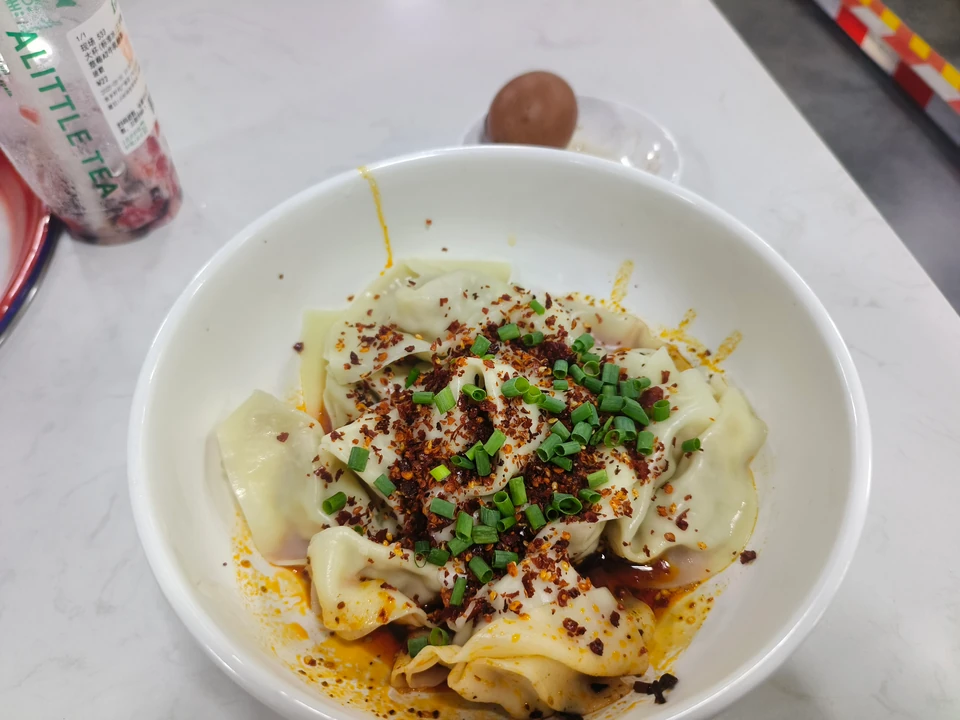
The day before yesterday, August 30, I ate at a Sichuan restaurant serving noodles, wontons, and similar dishes. The food tasted quite authentic.
I casually asked, “Your food's pretty good! Are you from Sichuan? You serve hotpot too?”
The owner replied, “Yes. But if you want it, you'd better come tomorrow. We're closing on September 1.”
Me: “Why close when everything seems fine?”
Owner: “Not exactly closing—we're still renting the space. We're planning to do something else and see how social insurance is implemented.”
Me: “So it's the social insurance issue.”
Owner: “It's over two thousand per person, and we have several employees. We simply can't afford it. If we really have to pay, we won't run this restaurant anymore.”
This was the first time I had felt the policy's impact. I had always thought it was no big deal, but now I was about to witness a restaurant closing firsthand.
I posted this on Zhihu, where it drew a strong response.
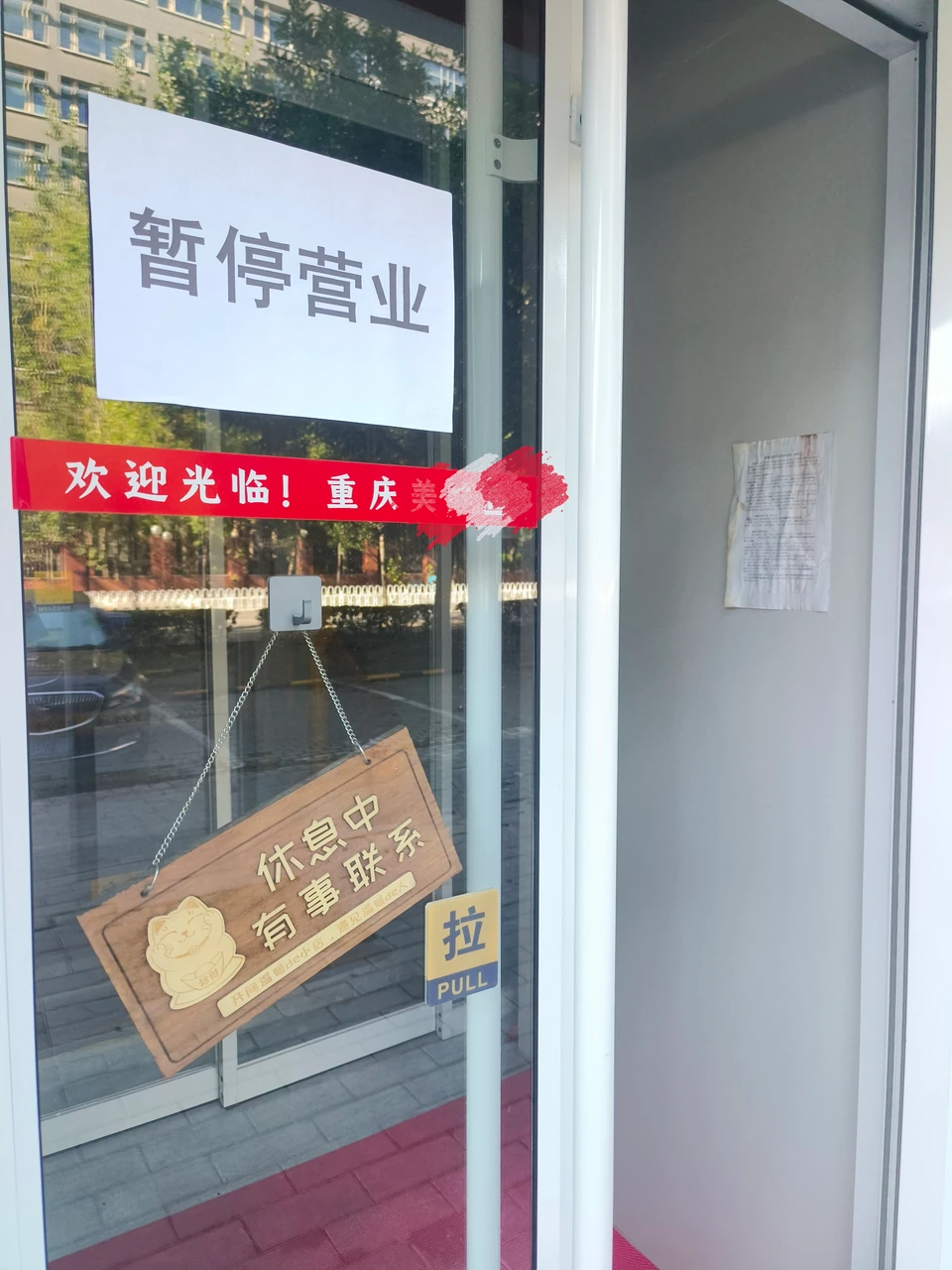
Today is September 1. I went to look this morning, and the restaurant has indeed suspended operations.
A few additional points on my views:
1 Many people think I made up the story. I have seen articles online describing similar experiences, but mine is entirely real, as is the restaurant. If anyone wants to investigate, come to Beijing and I can provide the address. Just buy me a meal.
2 This restaurant has two signs and two menus: one for noodles and wontons, the other for hotpot and stir-fried dishes. The entrance on the first floor is small, but the second floor is spacious. When I first entered, I thought it served only wontons and noodles. Only after ordering and seeing other customers' tables did I notice hotpot, which is why I asked the owner.
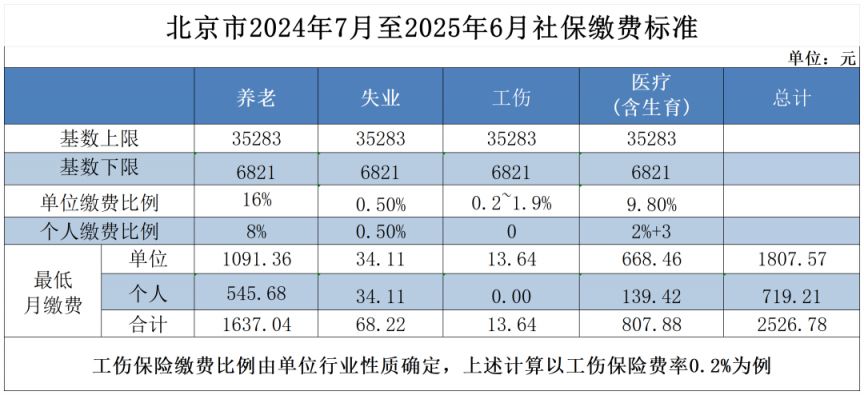
3 I checked online. In Beijing, pension, medical, work-injury, and unemployment insurance together, calculated at the minimum contribution base, cost employers 1,807.57 yuan a month and individuals 719.21 yuan. When the owner said over two thousand per person, she presumably meant that maintaining employees' take-home income would require the business to bear an additional 2,526.78 yuan. With around four or five people working there, social insurance would add more than 10,000 yuan a month in costs. That really is high.
4 Some restaurants may close not because they cannot pay social insurance, but because earnings become too low. Suppose a couple previously made over 20,000 yuan a month, but after these costs they make only a little over 10,000. They would indeed be better off taking jobs, with no reason to keep the restaurant going.
5 Some question how a restaurant in a university town, with such a good location and food, could fail to afford social insurance. I can only say they lack social experience. They see many restaurants nearby but do not see how many have closed within two years. Restaurants with good food, good business, and good locations that nonetheless make no money are far from rare. Some are profitable, of course, but most owners merely earn money through hard work, doing little better than ordinary wage workers. Naturally, they cannot afford social insurance for several people.
6 Closures are indeed a minority. At the Korean barbecue restaurant I visited yesterday, for example, I specifically asked about social insurance. The owner said she would not pay it and would not close, because no one would inspect such a small establishment. Of course, if payment really became compulsory, they would stop operating, since practically no profit would remain. Moreover, restaurant staff turnover is high, making the actual administration troublesome even if they paid. The policy's impact may therefore be less severe than imagined, but small restaurants' narrow margins and difficulty bearing social insurance costs are widespread facts.
7 Some say paying social insurance is good, and businesses unable to afford it should close. You may be right, I want to say, but do those without social insurance actually not want it? Why do they not find jobs that provide it? Do small restaurant owners really want to withhold employees' insurance money? They may be the busiest people in the shop and unwilling even to spend on their own social insurance. If you require them to pay, will you compensate their losses? Are you not being a little like the ruler asking why starving people do not eat meat gruel?
8 I naturally support the social insurance policy. But I cannot bear to demand that people living frugally, stretching every penny, spend several hundred more yuan each month on insurance. Nor can I tell restaurant owners with little education, who can only make a living by opening shops, work from dawn to dusk, and bear heavy rents, that “restaurants unable to afford social insurance deserve to close.” That is my position.
Comments
No account needed. A nickname is required; email is optional. Successful submissions appear publicly without manual pre-moderation.
Comments and nicknames are public. Optional email addresses are not displayed. The selected Waline backend and its hosting provider process comments, nicknames, optional email, IP and browser information. Comments show IP region, without the full IP address or browser and operating system labels. Hosting: Vercel; database: Neon.